- Industries
- Industrial
Managed SCADA for Industrial Water, Wastewater, and Pretreatment
Mission’s managed SCADA does not try to replace the plant DCS. It fills the gaps.
Industrial Water Monitoring That Complements Plant SCADA
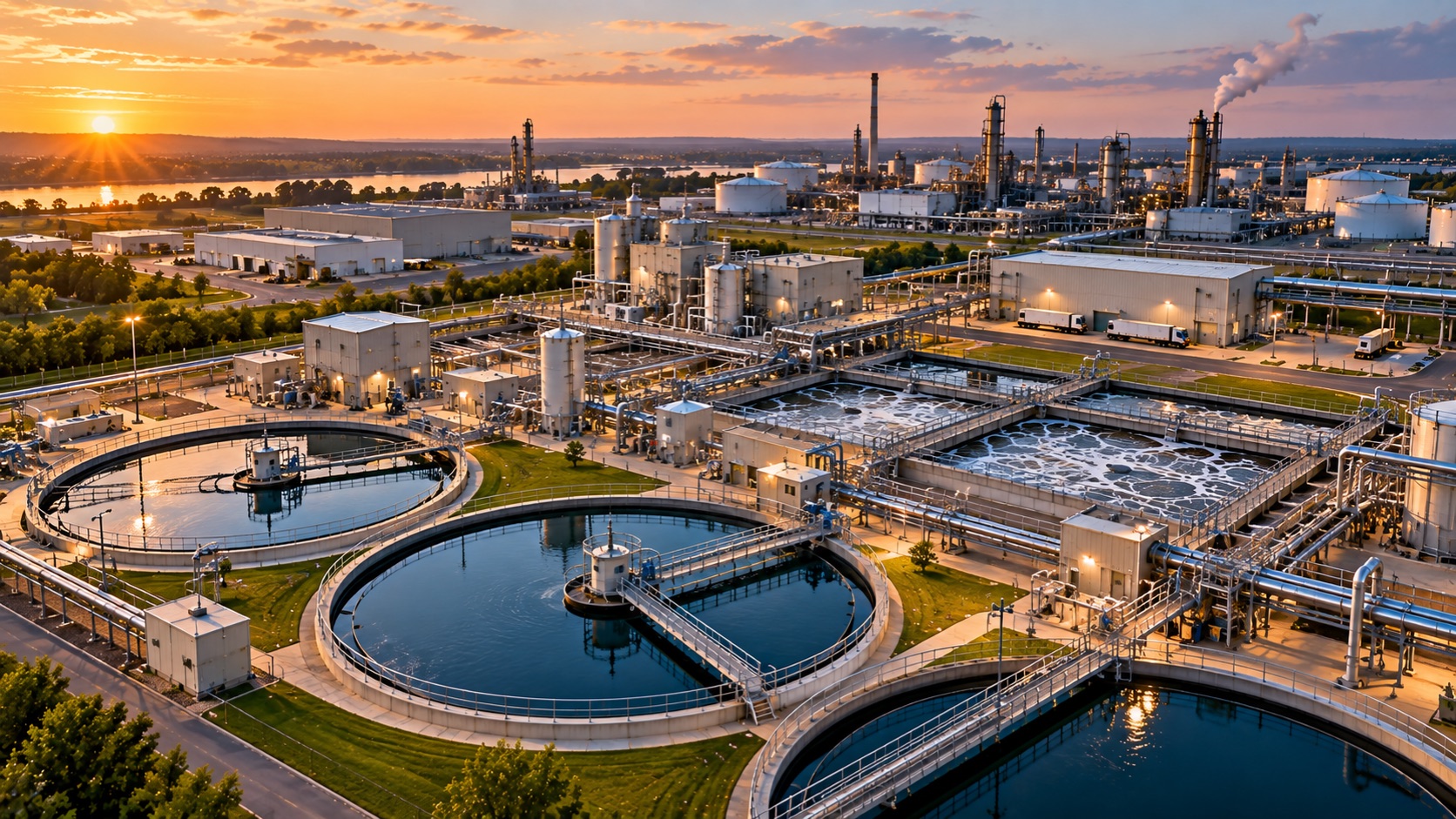
Industrial facilities manage water as both a process input and a regulatory obligation. Cooling water, boiler feedwater, process rinses, and pretreatment discharge all need monitoring — and most of that monitoring already lives inside a plant SCADA or DCS system.
Mission’s managed SCADA does not try to replace the plant DCS. It fills the gaps: the remote tanks the DCS can’t reach, the discharge points the environmental group needs documented, the lift stations between the plant and the city sewer, and the after-hours visibility that plant operations staff need when they are not on-site.
Pretreatment and Discharge Compliance
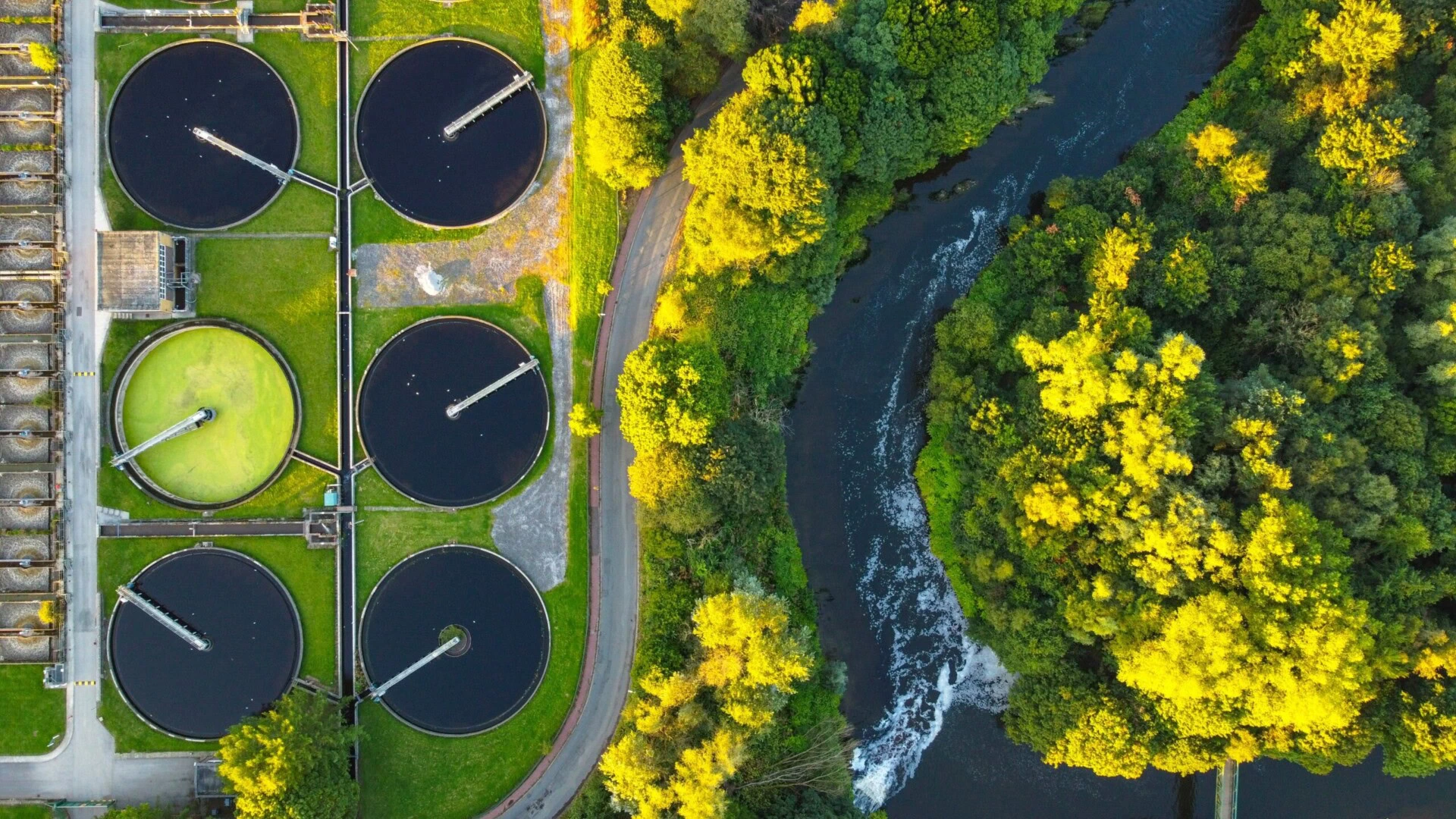
Industrial facilities that discharge to a publicly owned treatment works (POTW) operate under strict pretreatment permits. Exceeding discharge limits — even briefly — can trigger enforcement actions, fines, and costly corrective action orders.
Mission’s platform monitors discharge flow, pH, temperature, and other permit parameters in real time. Alarms dispatch before limits are breached. Every data point is retained from installation, producing a defensible record for permit renewal, auditor inspections, and enforcement defense.
OPC-UA Integration with Plant DCS and Historian
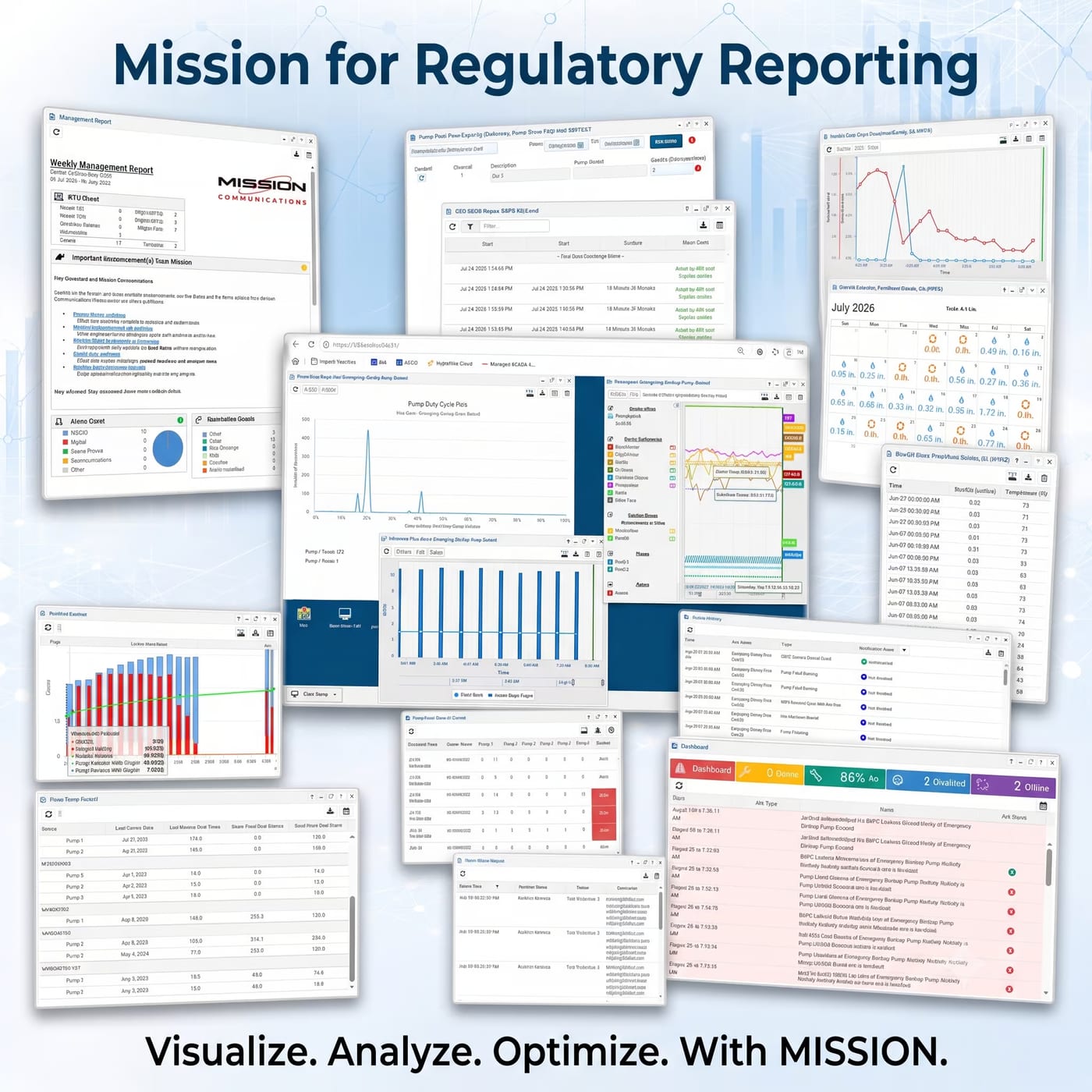
The 123SCADA platform includes a native OPC-UA server that pushes Mission data directly into the plant’s existing DCS, HMI, or historian. Process engineers see Mission tags alongside their own process variables, and historian-based reporting tools pick up Mission data without custom integration work.
This is the shortest possible path to extending existing plant SCADA coverage into new assets: no new servers, no new licenses, no integrator engagement, and no disruption to the existing control system.
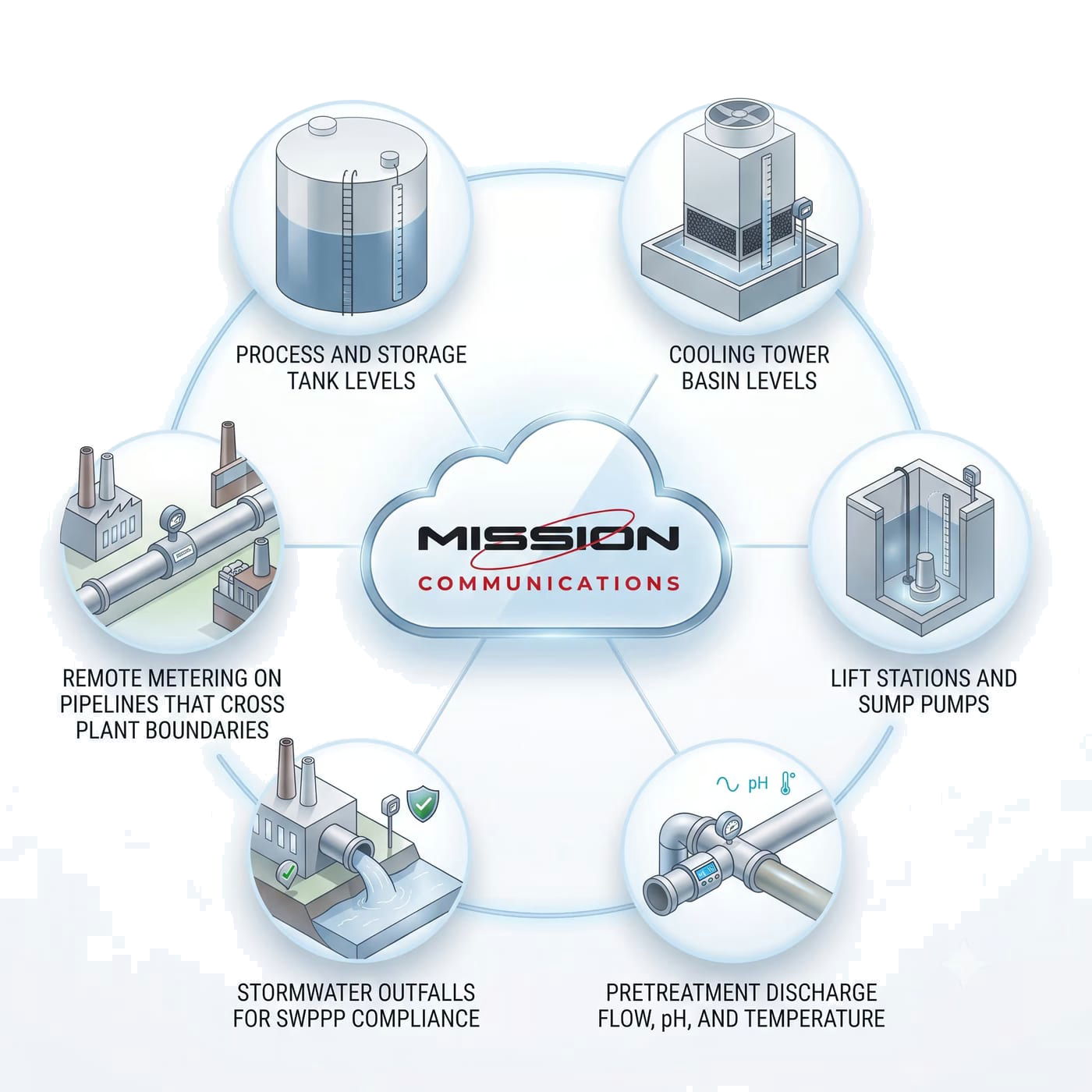
What Industrial Plants Monitor with Mission
- Process and storage tank levels for raw water, treated water, and chemical feed.
- Cooling tower basin levels and makeup water flow.
- Lift stations and sump pumps in outdoor process areas.
- Pretreatment discharge flow, pH, and temperature.
- Stormwater outfalls for SWPPP compliance.
- Remote metering on pipelines that cross plant boundaries.
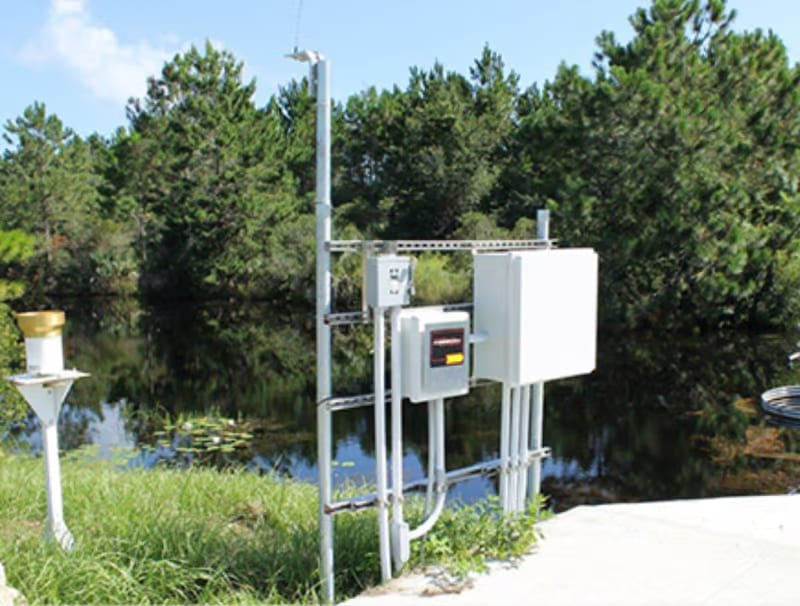
SWPPP and Stormwater Compliance
Industrial facilities operating under multi-sector stormwater permits must document stormwater exposures, sampling, and corrective actions.
Mission’s rainfall and outfall monitoring deliver the data backbone for SWPPP compliance — including triggering automatic sampling and response workflows when thresholds are crossed.
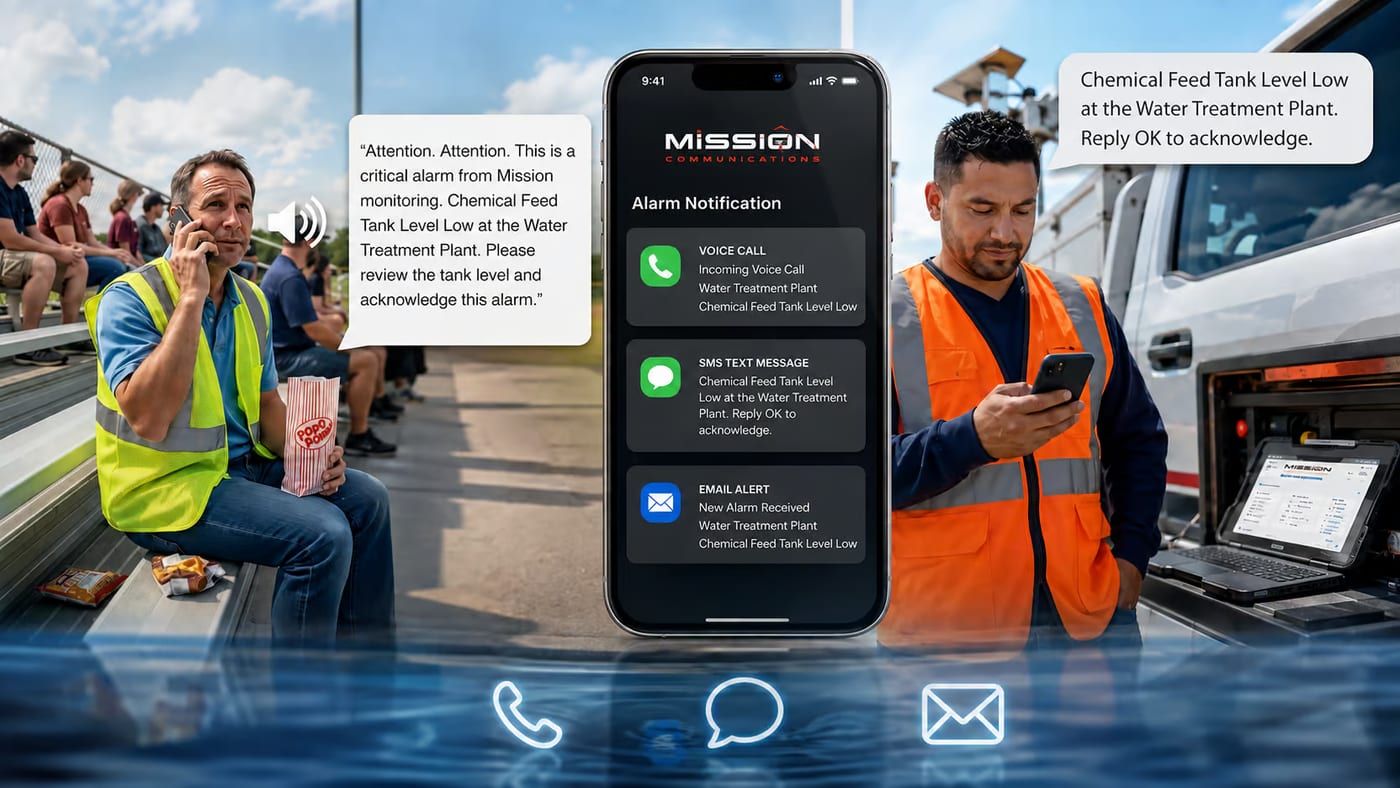
After-Hours Visibility Without a Control Room
Most industrial plants do not staff a 24/7 control room for ancillary water systems. When a chemical feed tank goes low on a Saturday night, someone still needs to know. Mission’s alarm engine delivers that notification via phone, text, or email in under a minute — with escalation routing so the right person gets called without overloading everyone’s phone.
Operators acknowledge alarms from their phone and review trends from anywhere. The plant never needs to hire a third-shift operator just to watch water levels.
Solutions Used by Industrial Facilities

Treatment Plant Monitoring
A managed overlay that feeds collection-system data into plant SCADA by OPC-UA and covers what the plant system cannot reach.
Explore Treatment Plant Monitoring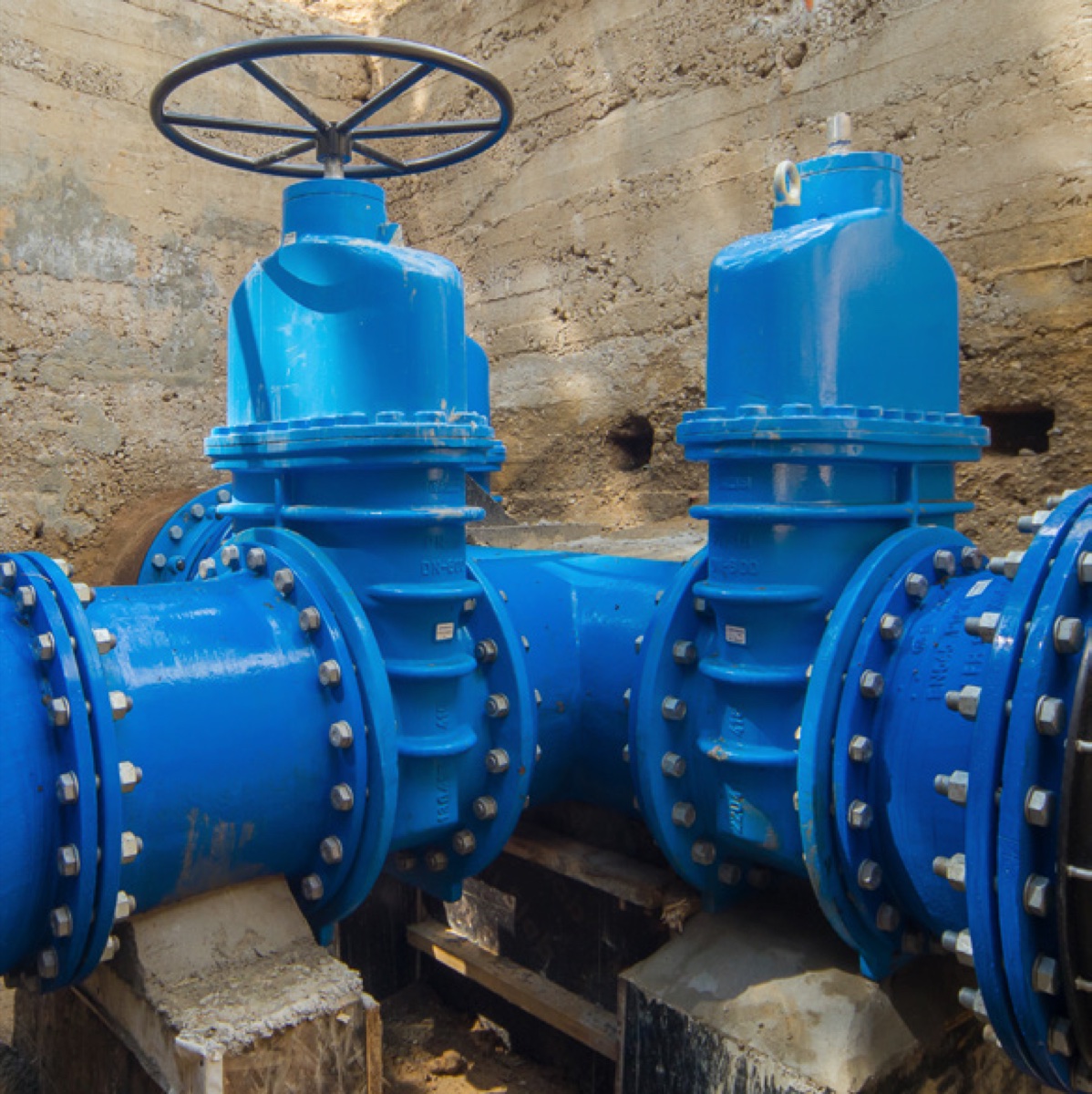
Distribution Pressure
Zone pressures, PRVs, bulk meters, and minimum night flow. Catch main breaks in minutes and prove pressure compliance.
Explore Distribution Pressure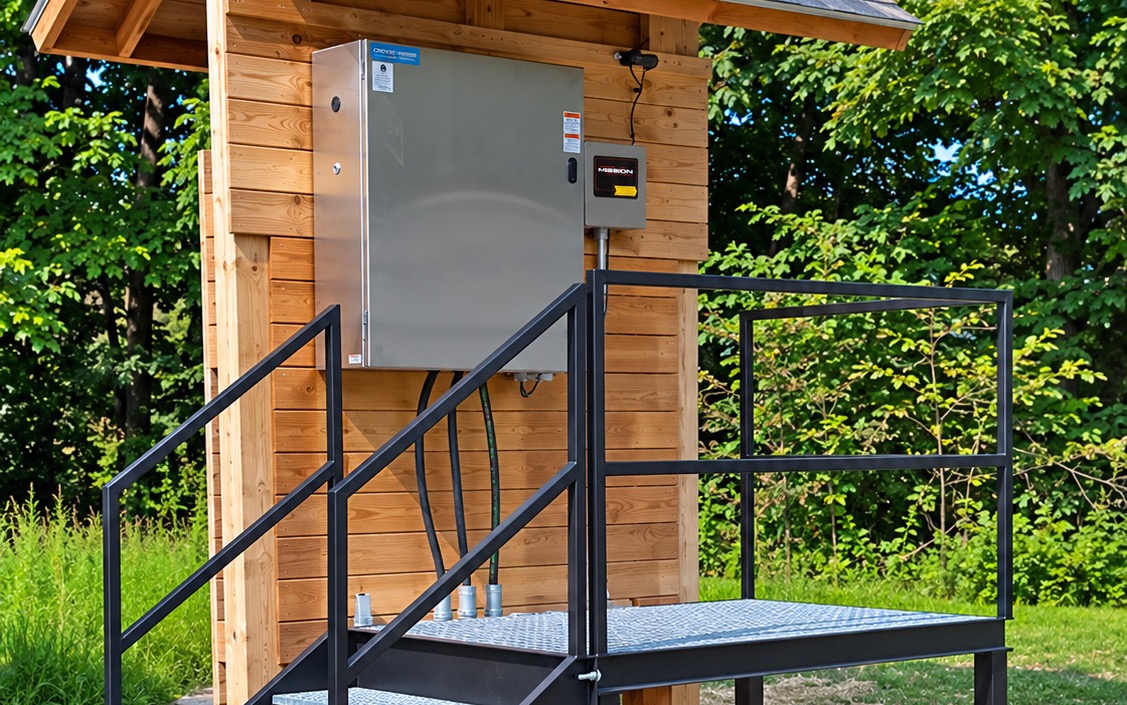
Lift Stations
Wet well levels, pump insights, power, and Emergency Backup Pump Control. Know about problems in minutes, not hours.
Explore Lift Stations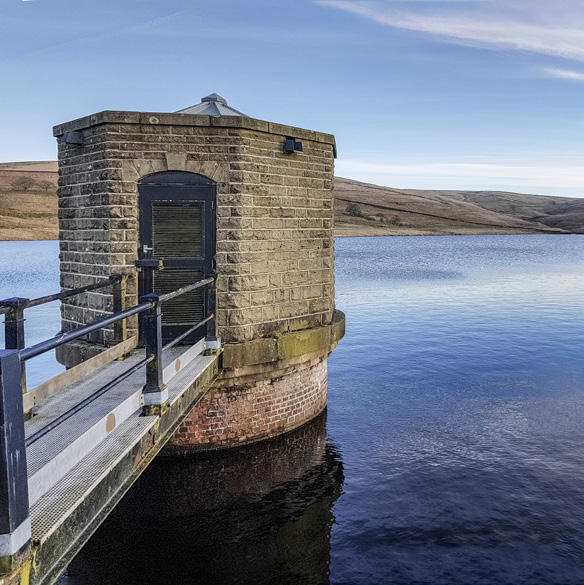
Reservoir & Lake Level
Live level, rate of change, and threshold alarms for reservoirs, lakes, rivers, canals, and detention basins.
Explore Reservoir & Lake Level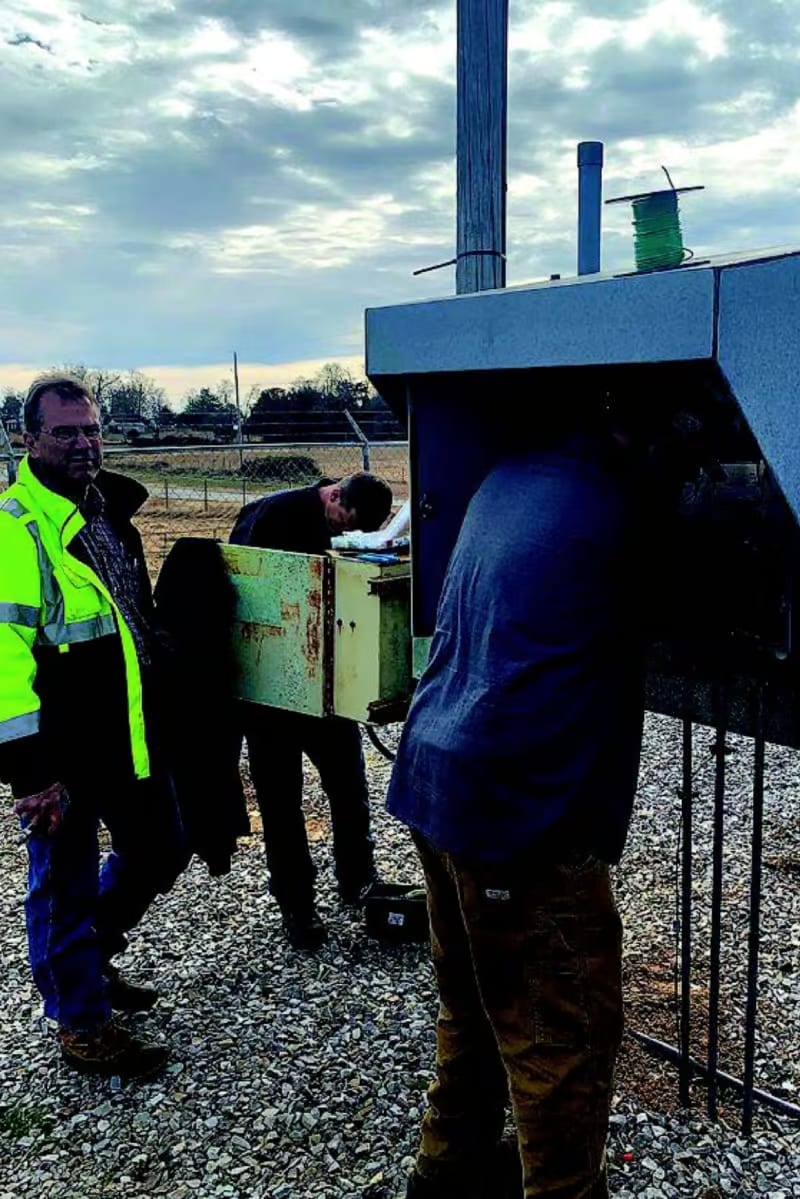
Municipal Utilities
Prevent SSOs, document EPA compliance, and forecast the SCADA line item for cities, towns, and municipal authorities.
Explore Municipal Utilities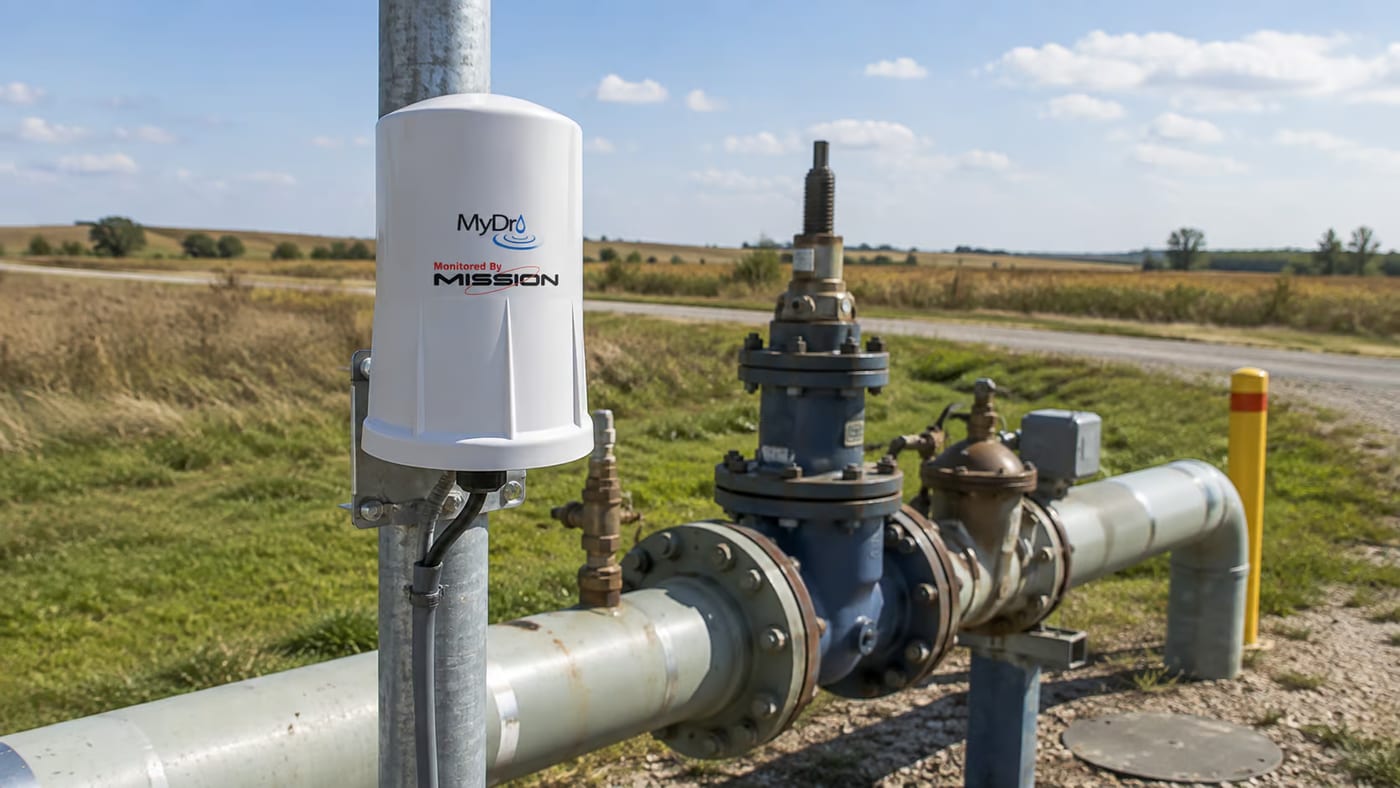
Rural Water
Cellular-first monitoring for long line runs, unmanned sites, lean staff, and USDA-funded projects.
Explore Rural Water
Private Utilities
PUC-ready reporting, rate-case data, and one predictable number for the CFO to budget.
Explore Private UtilitiesFrequently Asked Questions
What do industrial SCADA systems monitor in real time?
Industrial SCADA systems monitor process conditions, equipment performance, alarms, and other operating data that help teams maintain control over production or site activity. The exact points depend on the operation.
How does SCADA help reduce industrial downtime?
SCADA helps reduce downtime by improving visibility into abnormal conditions and making it easier to identify issues sooner. Faster awareness often leads to faster response and fewer prolonged disruptions.
Why is industrial IoT integration important in SCADA environments?
Industrial IoT integration is important because it expands the amount of data available for monitoring and helps connect more devices into the broader system. That can improve insight and support more informed operations.
Get Started
Mission’s team can scope a single-site deployment or a multi-plant rollout that integrates cleanly with existing plant SCADA. Call 877.993.1911 or click below to request a demo.