
- Solutions
- Water Systems
- Booster / Pump Stations
Booster Station MonitoringRemote SCADA for Booster Pumps and PRVs
When a booster runs correctly, no one notices. When it fails, customer complaints arrive within minutes.
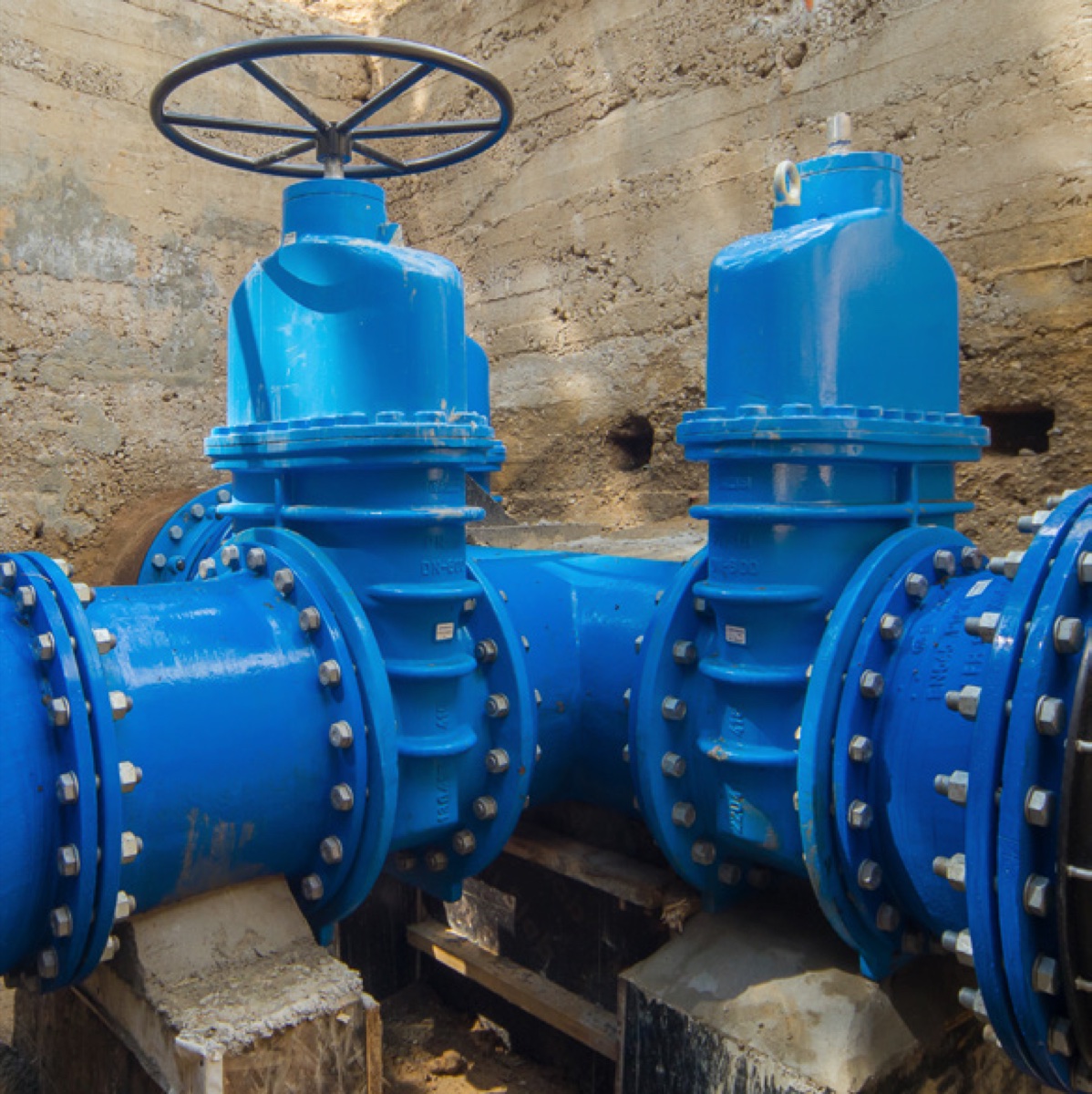
Why Booster Stations Need Remote Monitoring
A booster station’s job is simple: maintain adequate water pressure in a zone where gravity or distance would otherwise leave it under-served. When a booster runs correctly, no one notices. When it fails, customer complaints arrive within minutes, pressure-dependent equipment downstream can be damaged, and fire protection coverage may be compromised.
Because booster stations are often unmanned and located away from main operations buildings, they are one of the assets most likely to fail undetected. Mission’s managed SCADA closes that gap with real-time pressure, pump, and power monitoring delivered over cellular — no radio network, no fiber trench, no integrator required.
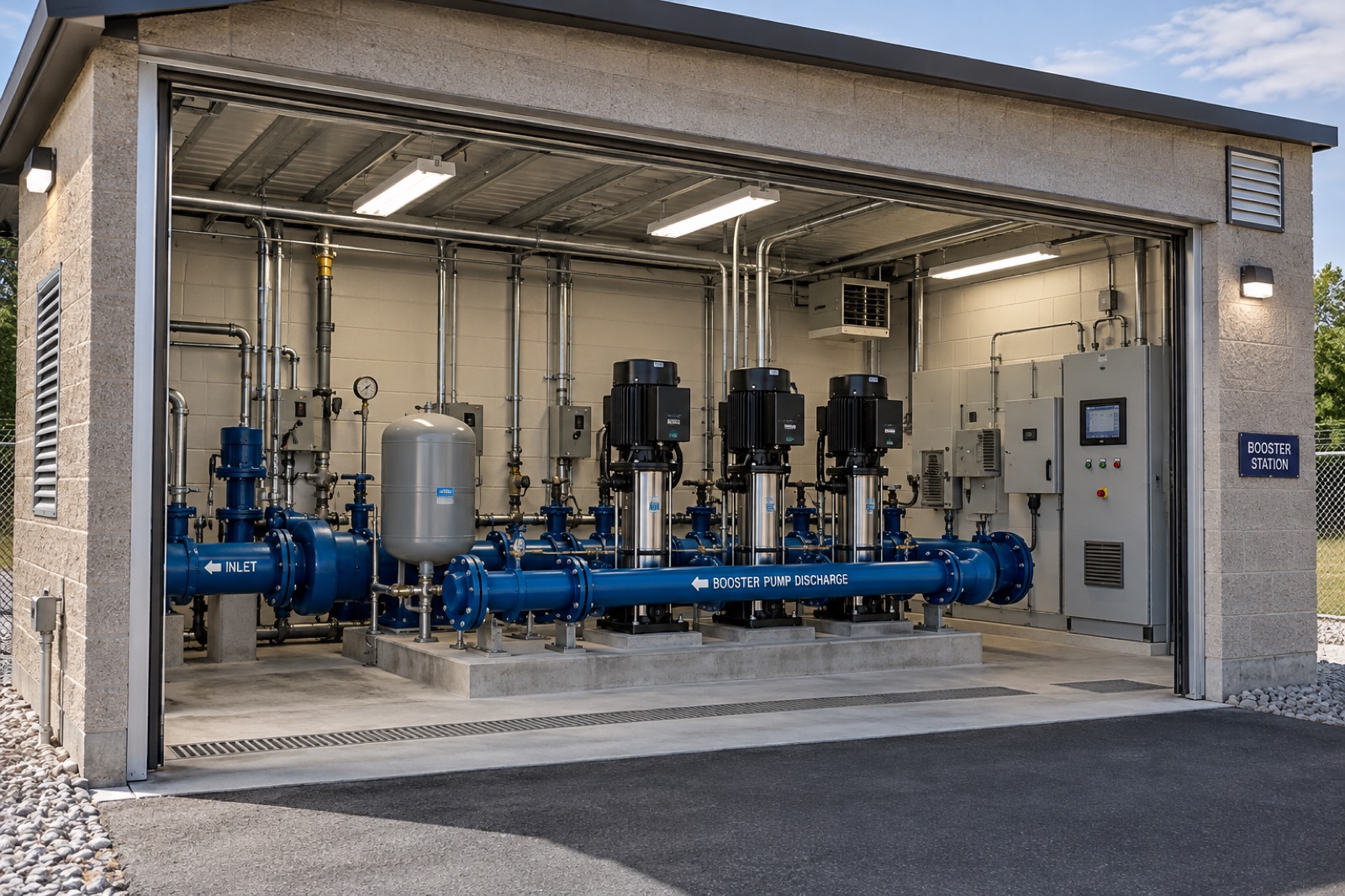
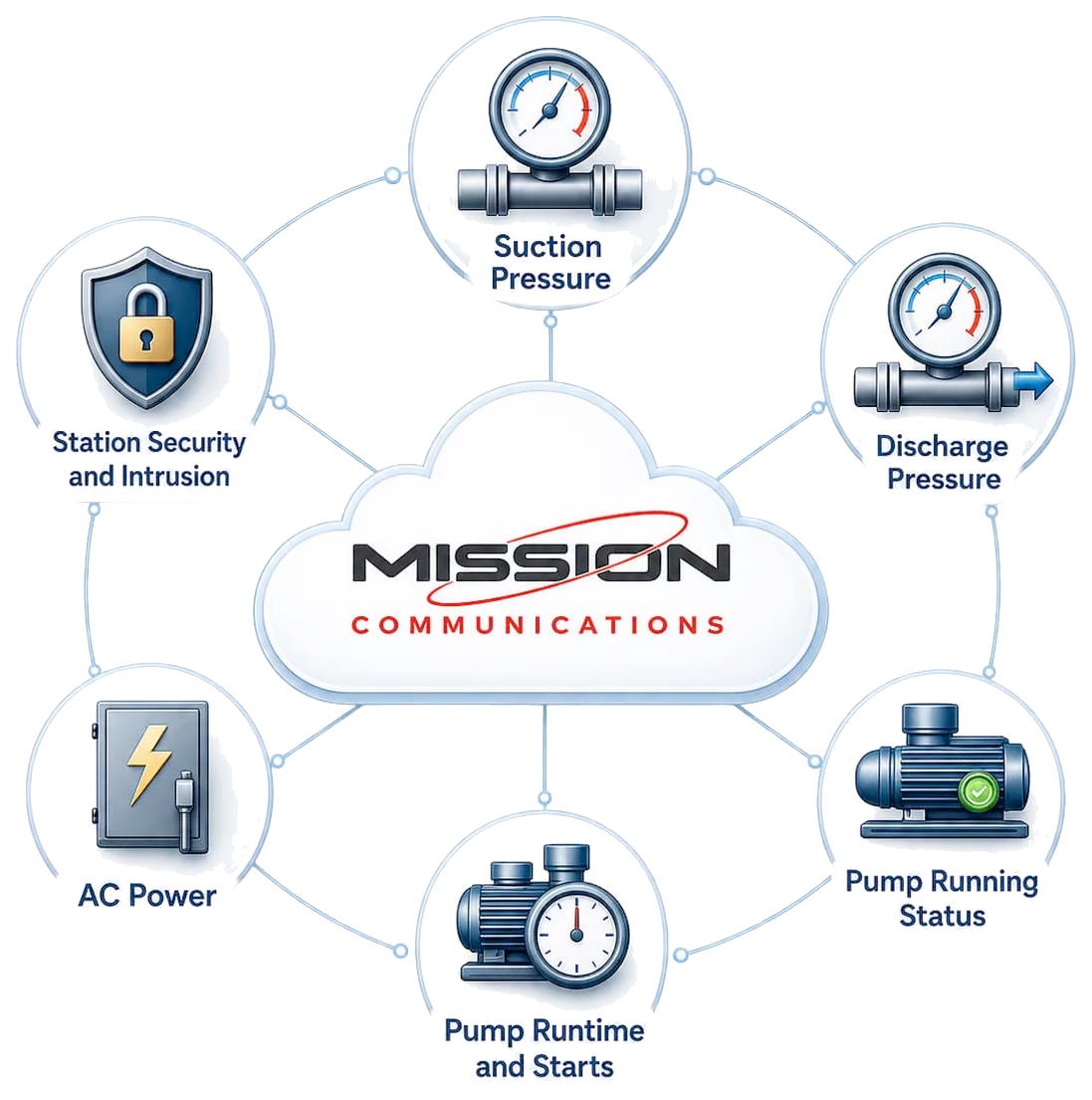
What Mission Monitors at Every Booster Station
- Suction pressure — confirms the station has adequate upstream supply.
- Discharge pressure — verifies the station is delivering target pressure downstream and triggers alarms on sudden drops that indicate a main break.
- Pump running status — real-time confirmation each pump is running when called and available when not.
- Pump runtime and starts — trends that reveal bearing wear, cavitation, or impeller damage before a hard failure.
- AC power — immediate alarm on loss of utility power so operators can deploy a portable generator before customers are impacted.
- Station security and intrusion — optional door and motion sensors for unmanned sites.
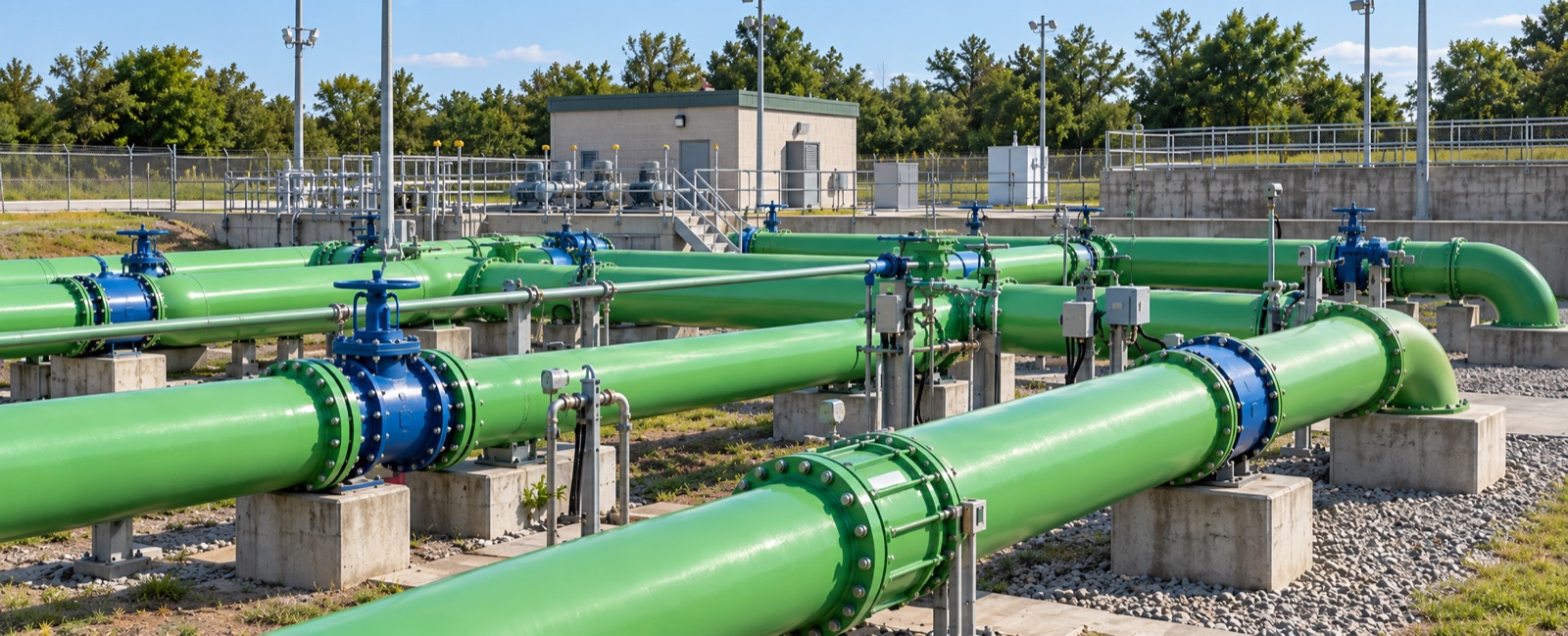
Pressure Reducing Valve (PRV) Monitoring
Many booster station locations also host pressure-reducing valves that step pressures down between zones. A PRV that drifts out of set-point can over-pressurize downstream piping — accelerating main break frequency — or leave customers with low pressure. Mission’s RTUs monitor both upstream and downstream PRV pressures so operators know immediately when a valve needs adjustment.
For distribution networks with complex pressure zone hierarchies, continuous PRV monitoring provides the data needed to validate hydraulic models and defend pressure-management decisions to regulators and the public.
Early Warning for Pump Problems
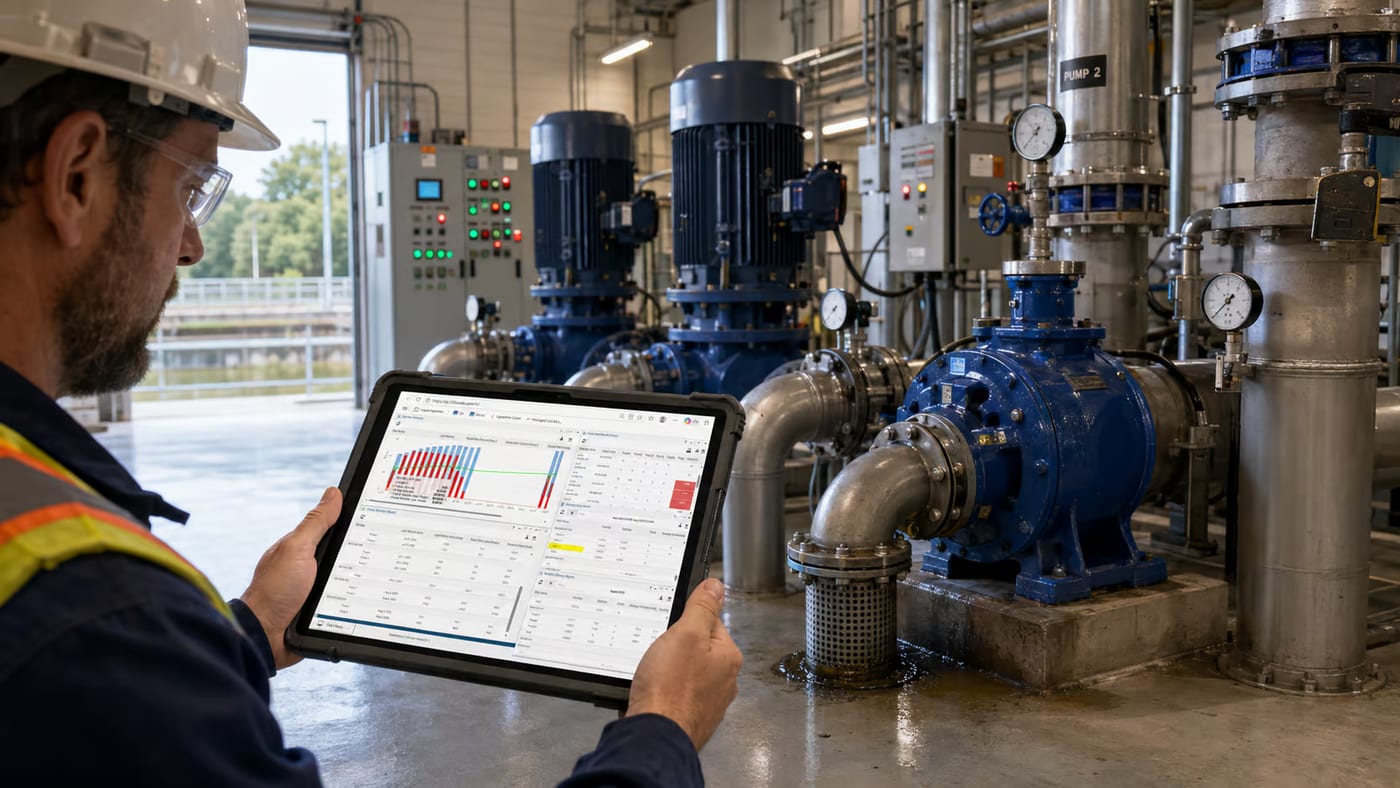
The 123SCADA platform turns runtime data into maintenance intelligence. Daily and hourly graphs show pump starts, runtimes, and cycle patterns for every pump in the station. Unusual runtimes or short-cycling can indicate a clogged strainer, a failing check valve, or an air entrainment problem — all issues that are cheaper to address as maintenance items than as emergency repairs.
Daily summary emails flag anomalies automatically, so operators without a dedicated SCADA analyst still benefit from the same pattern-detection capabilities.
Alarms, Reporting, and Compliance
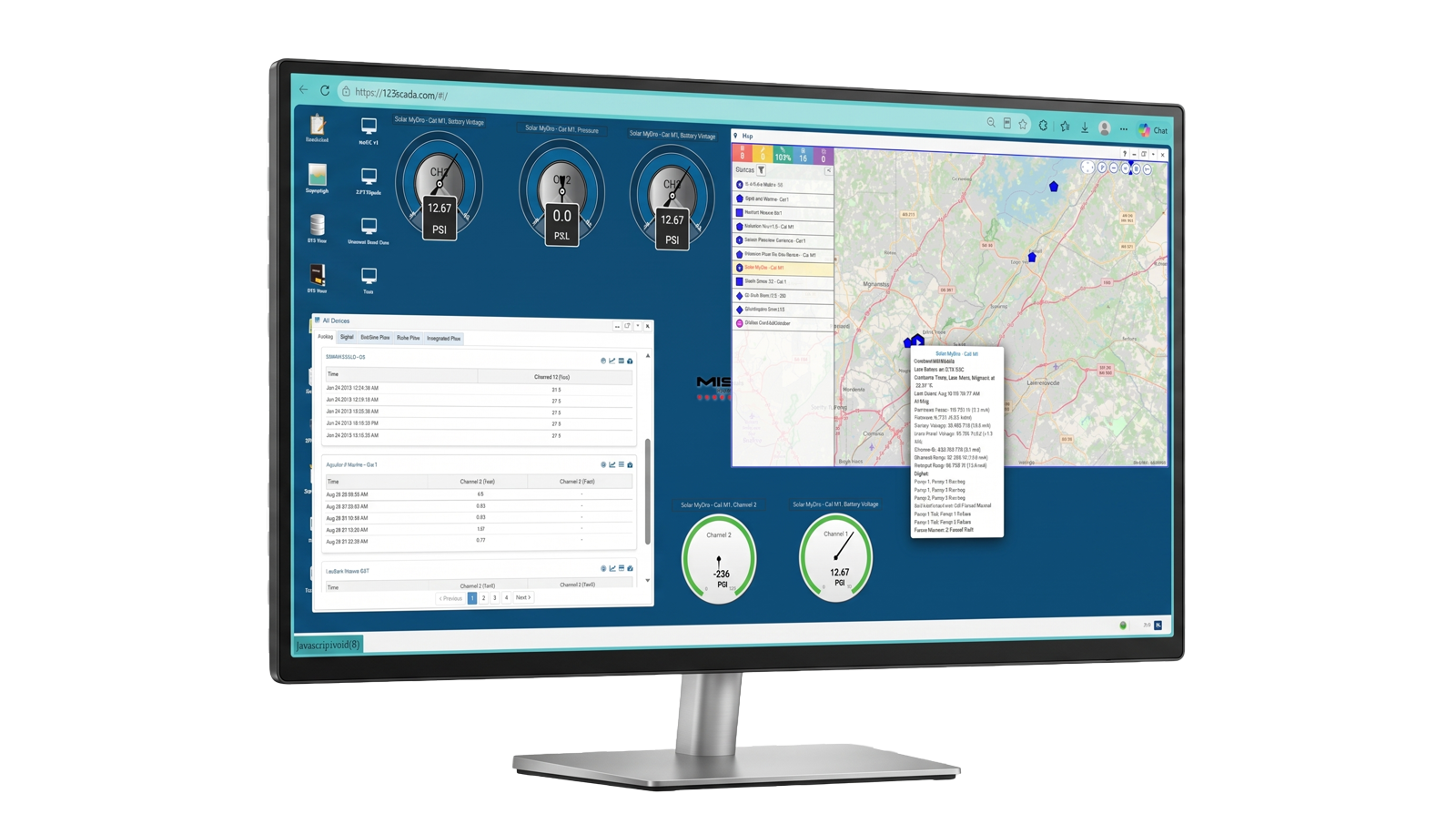
Every monitored parameter has configurable alarm thresholds, with notifications dispatched via phone call, text, or email in less than a minute. All alarm events, operator acknowledgments, and trend data are retained from the date of RTU installation.
Standard reports cover station runtime, pressure compliance, and pump performance, and every report exports to spreadsheet or PDF for inclusion in board packets and regulatory submissions.
What You Will Need
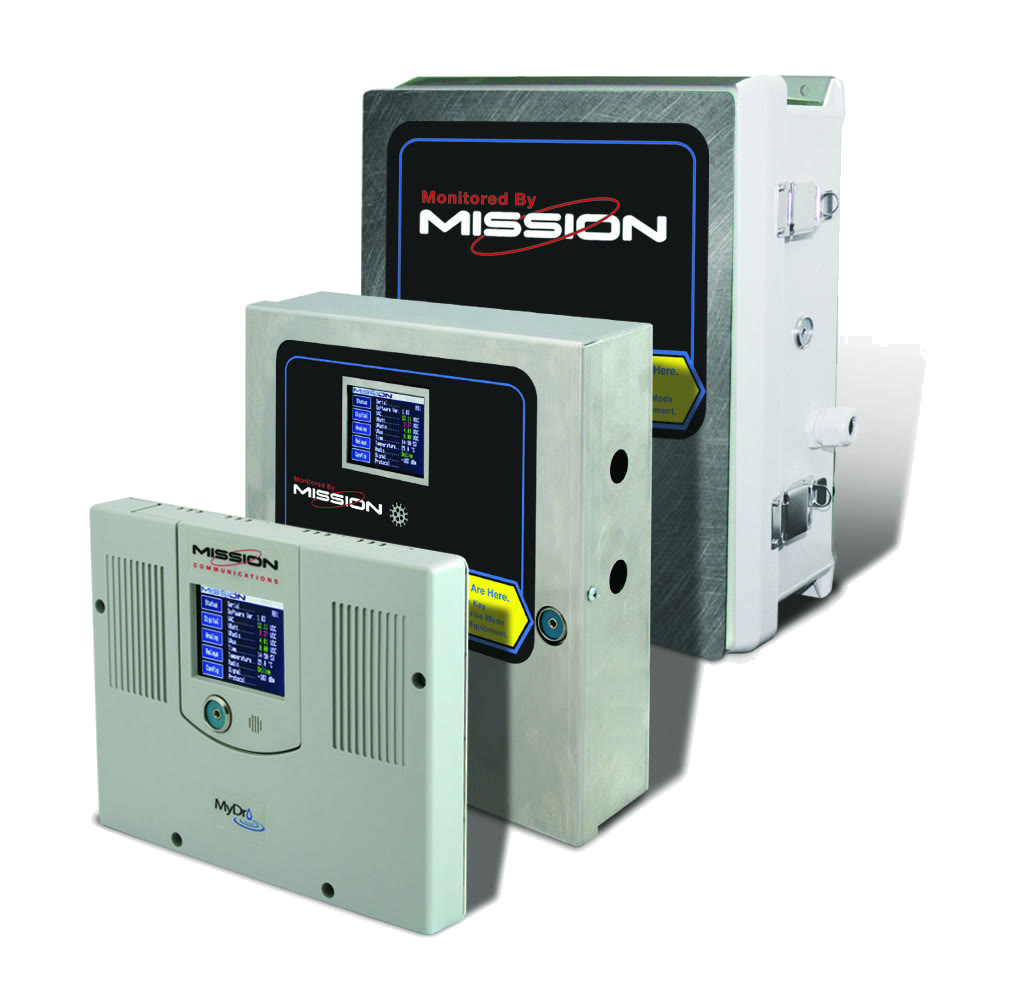
The MyDro 850 is the recommended RTU for most booster stations, with enough I/O capacity for multiple pressure transducers, pump status inputs, and power monitoring. The MyDro 150 is a compact alternative for smaller stations or retrofit installations where panel space is limited. Both RTUs include cellular data in the annual subscription with no separate data fees. All RTUs include cellular data charges in the annual subscription—there are no separate data overage fees or early termination penalties.
MyDro 850
The full-featured, line-powered RTU with the most extensive I/O capacity. Ideal for larger stations requiring multiple analog and digital inputs, relay outputs for remote control, and expansion module support.
View MyDro 850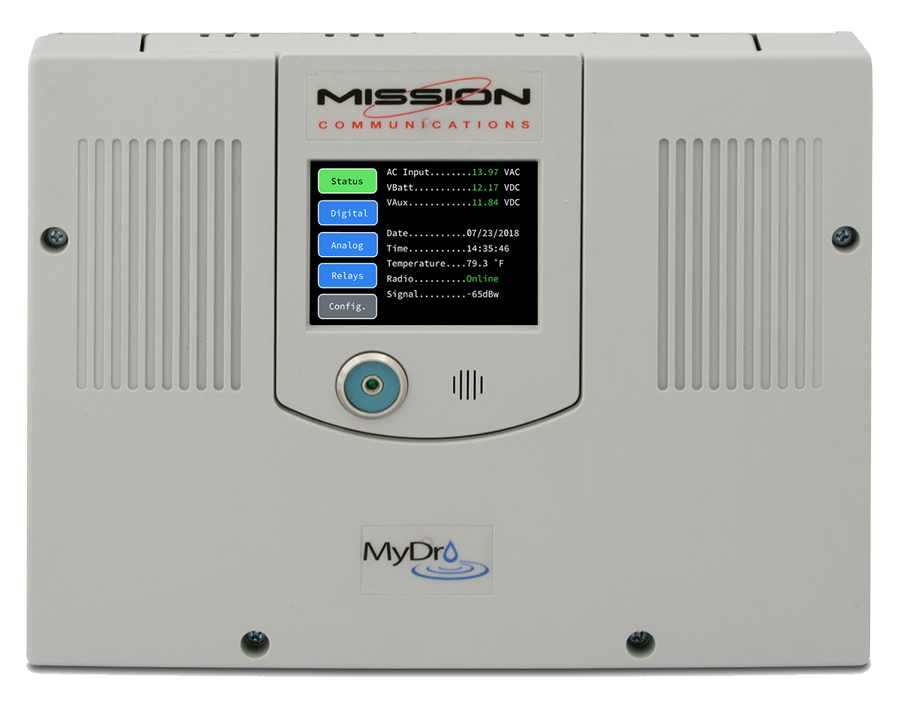
MyDro 150
A compact, line-powered RTU that delivers core monitoring and alarm capabilities in a smaller form factor. Supports emergency backup pump control and is upgradeable to the M850’s feature set.
View MyDro 150Not sure which RTU fits your site?
Compare every Mission RTU side by side, from line-powered to battery and solar. Or ask our team which one suits your site.
Tanks & Wells
Automated tank level control: the well pump starts when the tank drops and stops when it fills. No operator intervention.
Explore Tanks & WellsDistribution Pressure
Zone pressures, PRVs, bulk meters, and minimum night flow. Catch main breaks in minutes and prove pressure compliance.
Explore Distribution PressureSee all Water Systems solutions
Every application Mission monitors and controls, with the alarms, reports, and hardware for each.
View all Water SystemsFrequently Asked Questions
What does booster station monitoring help operators see?
Booster station monitoring helps operators see pump status, pressure behavior, alarms, and other operating conditions in real time. That visibility is important for maintaining stable performance and responding quickly when equipment is not operating as expected.
How can remote monitoring improve booster pump reliability?
Remote monitoring improves reliability by identifying abnormal conditions early and reducing the time between fault occurrence and operator response. That helps teams address issues before they grow into larger failures that affect pressure or service continuity.
What causes pressure instability in booster stations?
Pressure instability can come from pump problems, power issues, demand changes, control faults, or mechanical wear. Monitoring helps operators spot those shifts earlier so they can investigate the cause before service is affected.
Get Started with Booster Station Monitoring
Whether you’re monitoring a single booster station or managing a network of pressure zones, Mission’s managed SCADA scales with your system. Deploy in hours and simplify operations with one predictable annual subscription. Call 877.993.1911 or request a demo by clicking below.