
- Solutions
- Stormwater
- Flood Warning
Flood Warning SystemsReal-Time Stream Monitoring for Public Safety
A real-time flood warning system turns predictable hazards into managed risks by detecting rising water as it happens.
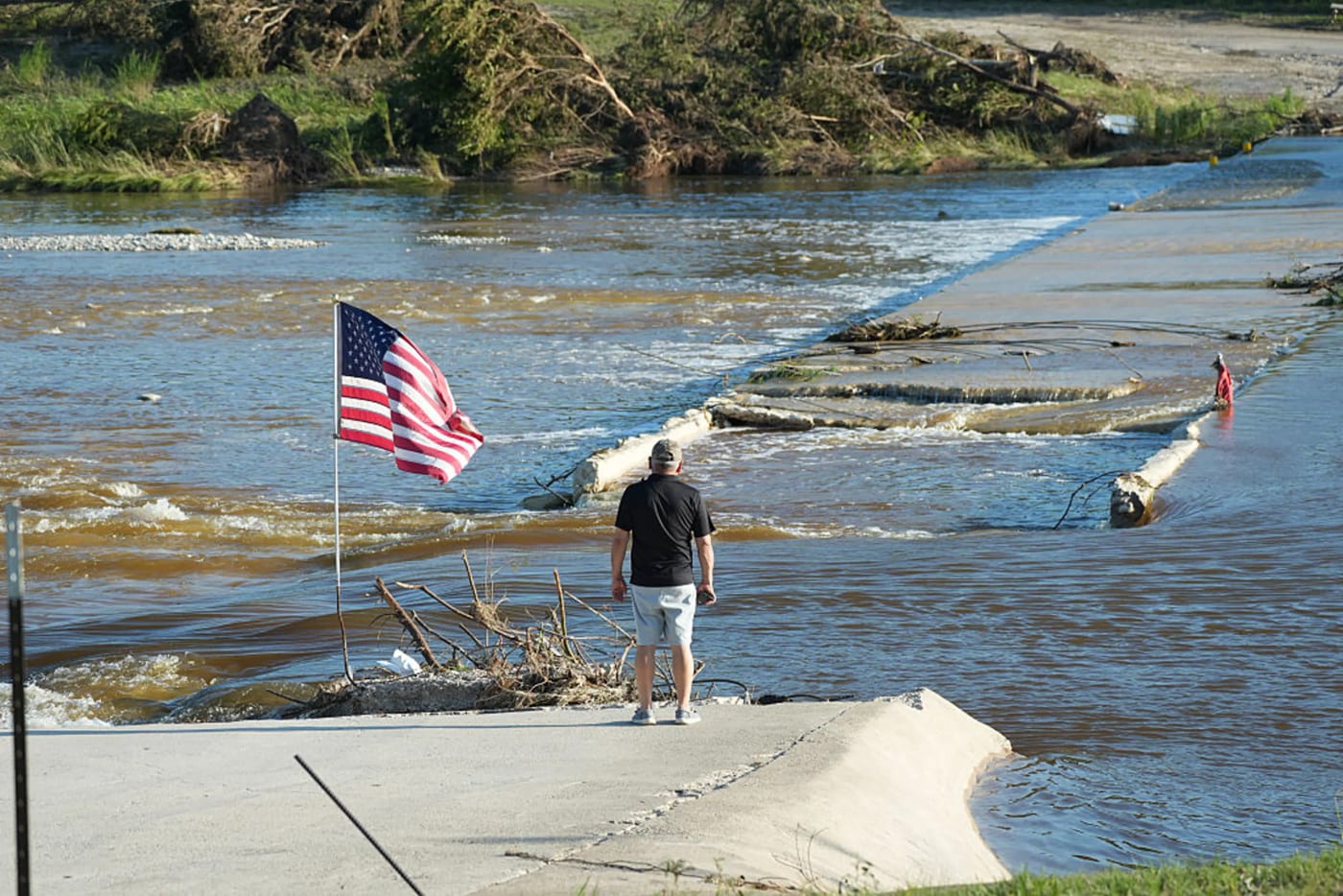
Minutes Matter When Water Rises
Flash floods kill more Americans each year than any other weather hazard, and most fatalities occur at low-water crossings and other predictable hazard points. A real-time flood warning system turns those predictable hazards into managed risks by detecting rising water as it happens and dispatching alerts to the people who can close roads, warn residents, and deploy emergency resources.
Mission’s managed SCADA provides the monitoring, alerting, and documentation layers of a flood warning system in a single cellular-connected package — no microwave towers, no dedicated base stations, and no specialized integrator.
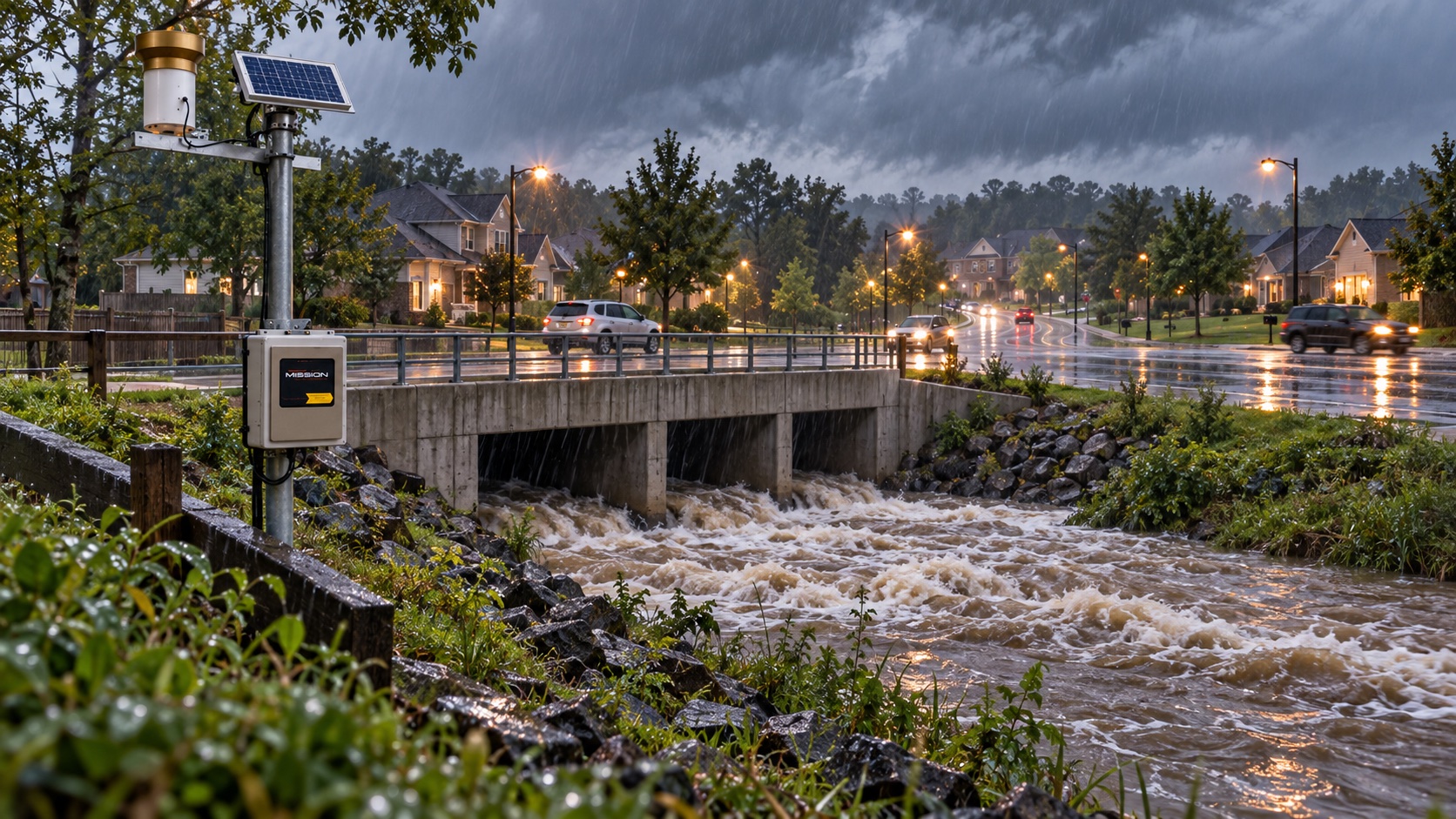
What a Mission Flood Warning Site Monitors
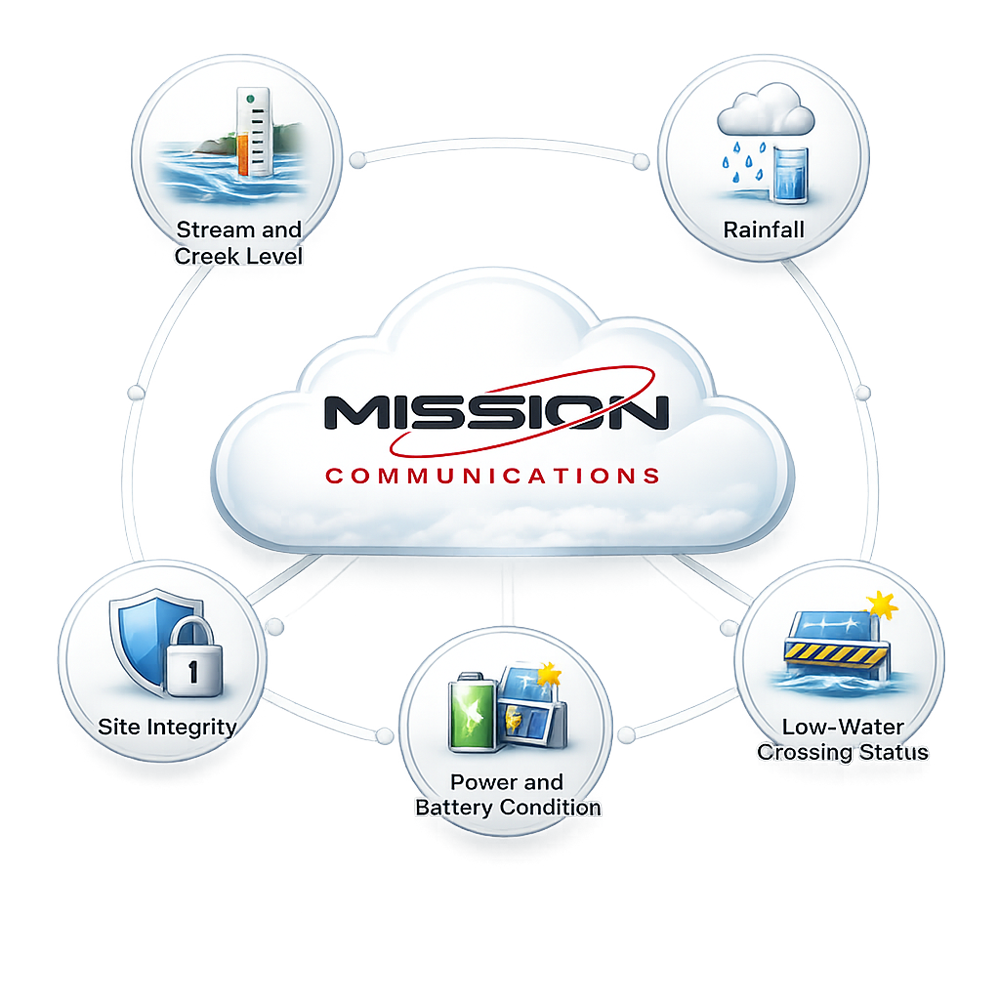
- Stream and creek level — pressure transducer or radar sensor with configurable alarm thresholds.
- Rainfall — optional tipping-bucket rain gauge for upstream rainfall correlation.
- Low-water crossing status — gate or flasher position and control feedback.
- Power and battery condition — critical for unmanned sites far from grid power.
- Site integrity — optional intrusion and tamper detection.
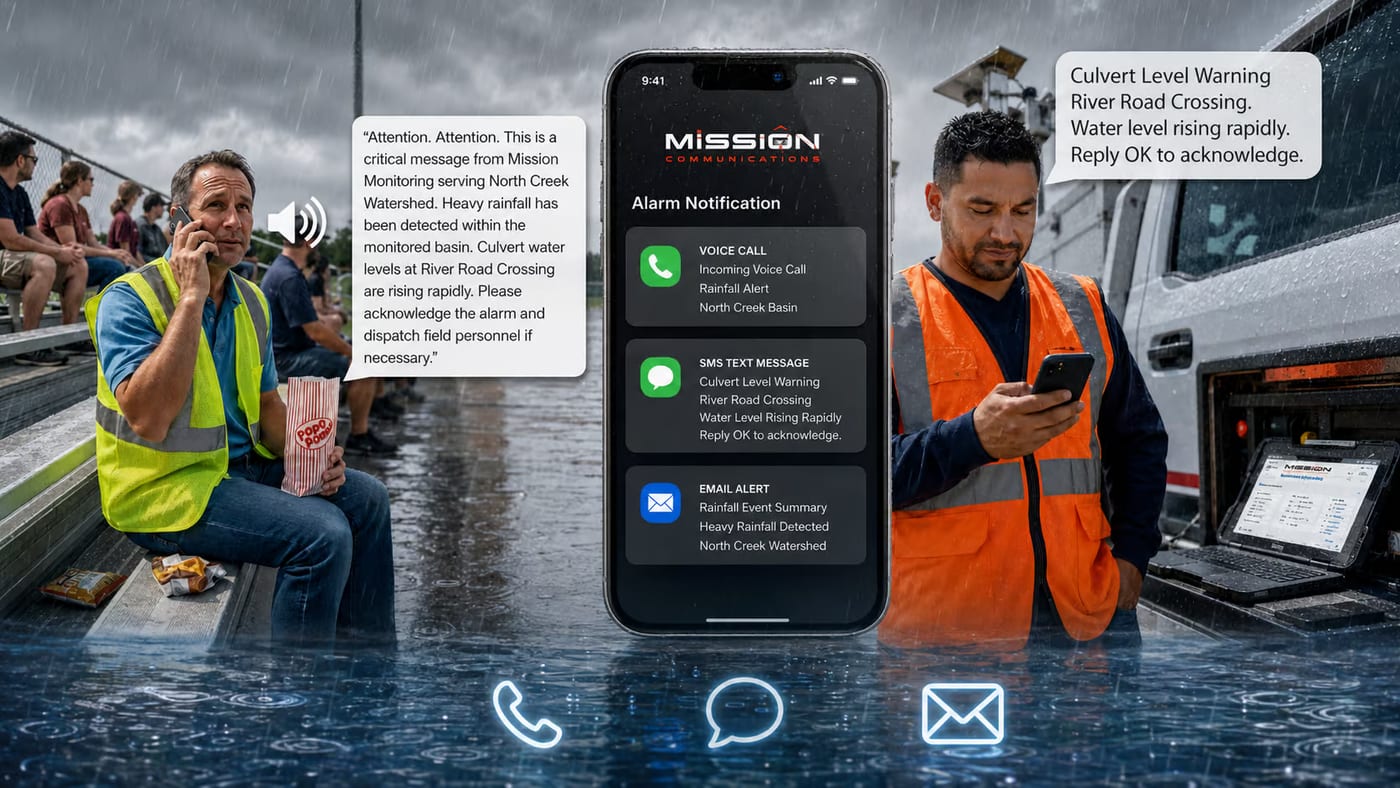
Alerting Emergency Managers in Under a Minute
When a monitored level crosses a defined threshold, Mission’s alarm engine dispatches notifications within less than a minute via phone call, text message, and email. Complex call-out schedules route alerts to the right person based on day of week, time of day, and escalation rules.
For county emergency operations centers, Mission alarms can be configured to trigger automated actions: switching on warning flashers, pushing notifications to public alert systems, or feeding data directly into an existing CAD system via OPC-UA.
Multi-Site Networks for County and Regional Deployment
A single flood warning site protects a single hazard point. A network of sites protects an entire watershed.
Mission’s cellular architecture makes it practical to deploy flood monitoring at every critical low-water crossing, bridge, or chronic flood point without the capital expense of building out a private radio network.
Sites are added one at a time with no impact on existing deployments, and every site lives on the same 123SCADA map view — so emergency managers can see the full watershed at a glance.
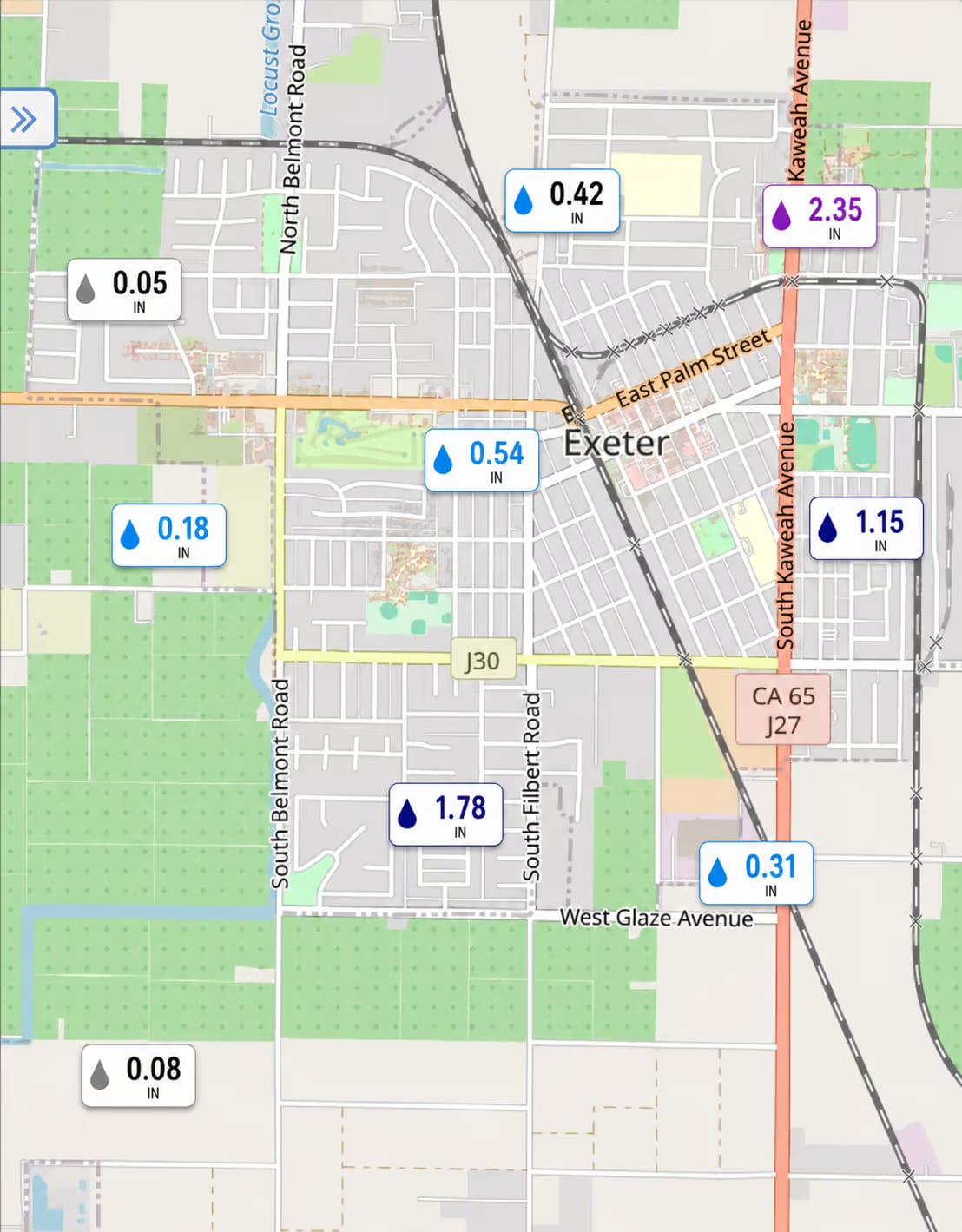
Document Every Event. Monitor Every Site.
After-Action Documentation
Every flood event generates questions afterward: When did the water rise? How high did it get? When were roads closed? When were residents notified? Mission’s platform answers all of them automatically by retaining every data point, alarm, and acknowledgment from the moment the system was installed. This creates a defensible record for FEMA reimbursement, public records requests, insurance documentation, and future capital planning.
Built for Remote, Unmanned Sites
Flood monitoring sites are almost always located away from buildings, grid power, and communication infrastructure. Mission’s MyDro 50 battery-powered RTU is purpose-built for these environments, operating on solar charging and ultra-low-power cellular for years of maintenance-free service.
See the MyDro 50What You Will Need
Mission’s MyDro 50 battery-powered RTU is purpose-built for remote, unmanned sites; the MyDro 850 adds relay control for flashers and gates where power is available. All RTUs include cellular data charges in the annual subscription—there are no separate data overage fees or early termination penalties.
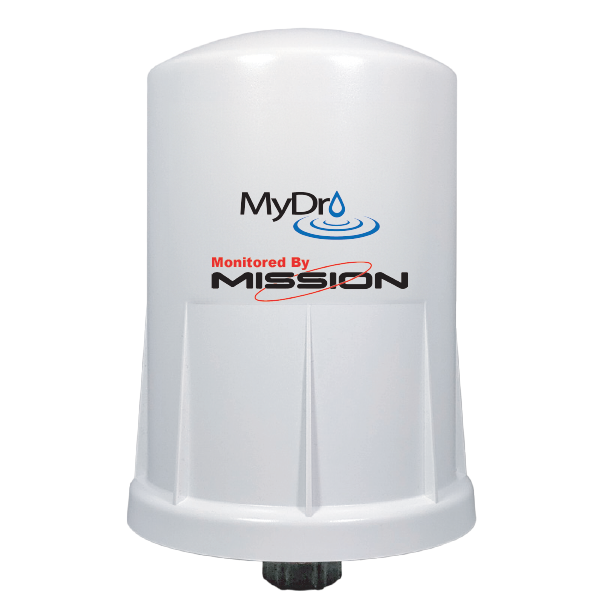
MyDro 50
A battery-powered RTU for small stations without reliable power, using solar charging and ultra-low-power cellular communication for years of maintenance-free operation.
View MyDro 50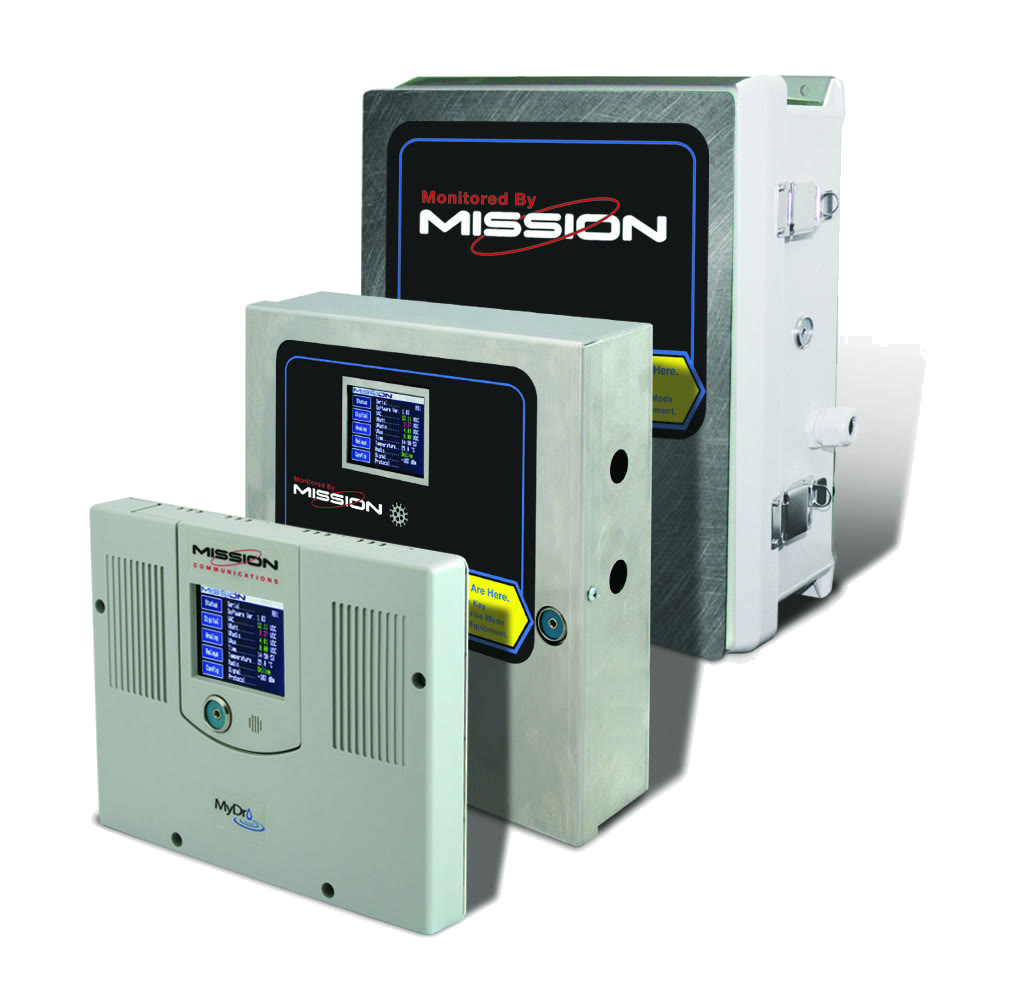
MyDro 850
The full-featured, line-powered RTU with the most extensive I/O capacity. Ideal for larger stations requiring multiple analog and digital inputs, relay outputs for remote control, and expansion module support.
View MyDro 850Not sure which RTU fits your site?
Compare every Mission RTU side by side, from line-powered to battery and solar. Or ask our team which one suits your site.
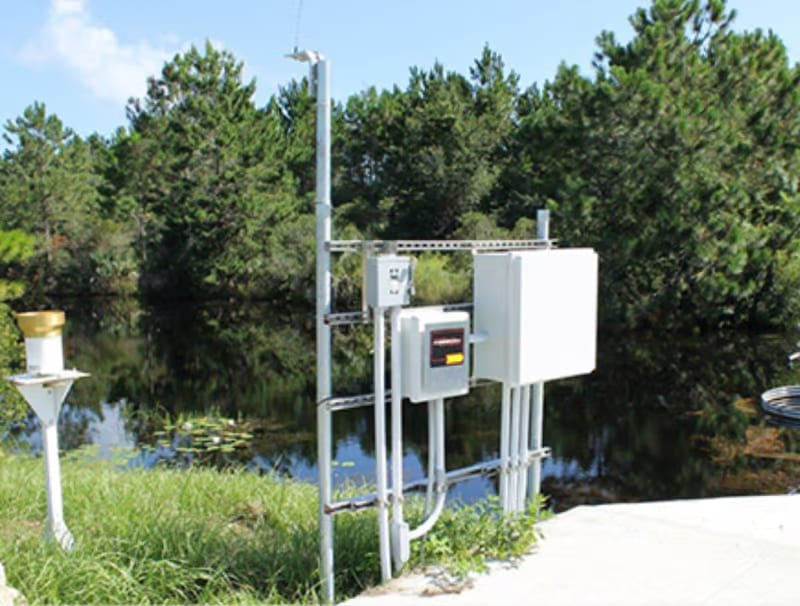
Rainfall
Cellular tipping-bucket rain gauges on the same map as every other RTU, with I&I correlation and MS4 records.
Explore Rainfall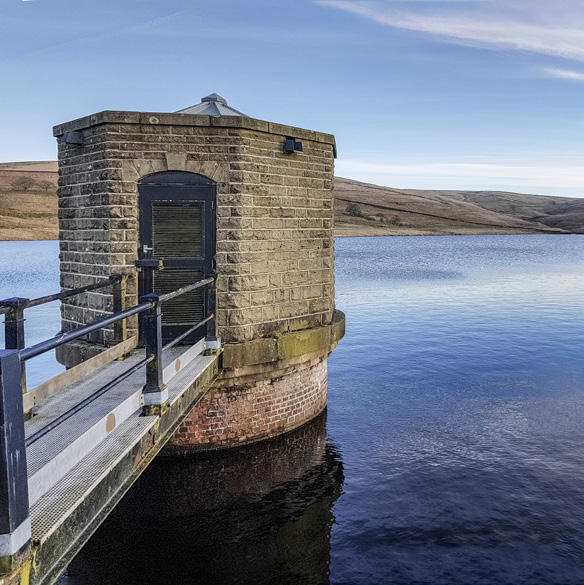
Reservoir & Lake Level
Live level, rate of change, and threshold alarms for reservoirs, lakes, rivers, canals, and detention basins.
Explore Reservoir & Lake LevelSee all Stormwater solutions
Every application Mission monitors and controls, with the alarms, reports, and hardware for each.
View all StormwaterFrequently Asked Questions
How does a flood warning system provide early alerts?
A flood warning system uses monitoring devices and data thresholds to identify rising risk and send notifications when conditions reach a trigger point. That advance notice gives users more time to respond before flooding worsens.
What data is used in flood monitoring systems?
Flood monitoring systems often use water level data, rainfall data, and site-specific measurements that indicate rising risk. Combining those inputs gives a better picture of current conditions and supports earlier warning.
Who benefits from real-time flood warning systems?
Utilities, municipalities, facility operators, and other teams responsible for flood-prone assets benefit from real-time warning systems. Early alerts help them protect infrastructure, improve response time, and reduce the impact of flooding.
Get Started with Flood Warning
Whether you need to protect one low-water crossing or deploy a regional network, Mission’s team can help scope, deploy, and operate the right flood warning system. Call 877.993.1911 or request a demo by clicking below.