- Solutions
- Wastewater
- Treatment Plant Monitoring
Wastewater Treatment Plant MonitoringManaged SCADA That Complements Your Plant Control System
Mission’s managed SCADA does not replace your plant system — it extends it.
Add cloud-based visibility, remote access, alarms, and collection system intelligence to the SCADA platform you already rely on—without disrupting your existing control system.
A Managed Overlay for Your Treatment Plant
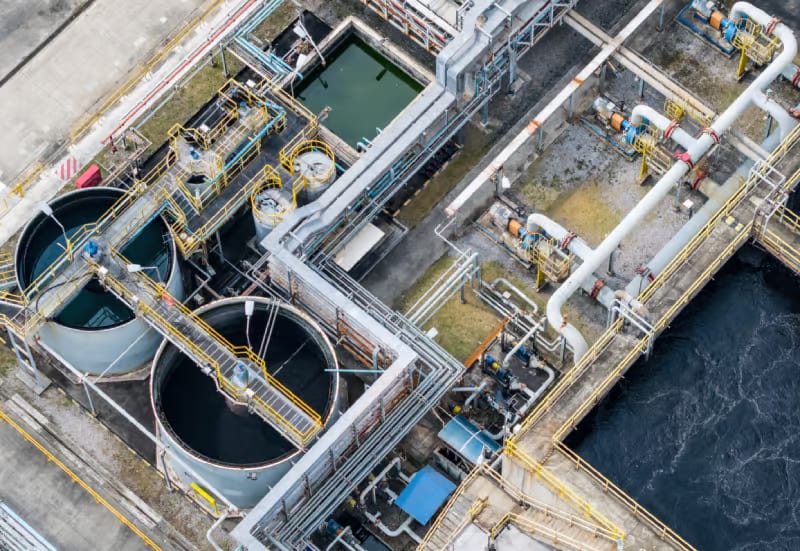
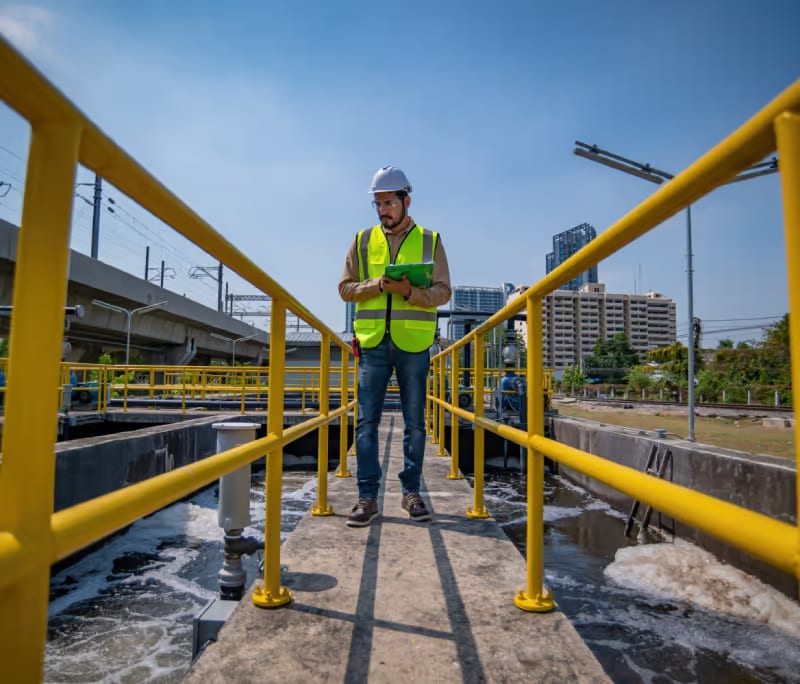
Wastewater treatment plants typically run on mature, on-premise SCADA platforms managed by a plant electrician or integrator. Mission’s managed SCADA does not replace those systems — it extends them. Mission acts as a cloud overlay that brings collection system data into the plant operator’s view, provides a defensible audit trail for NPDES reporting, and delivers remote visibility when plant staff are off-site.
For smaller treatment facilities that operate without a full plant SCADA, Mission’s platform can also serve as the primary monitoring layer for pump control, tank levels, chemical feed rates, and alarm management.
OPC-UA Integration with Plant SCADA
Most utilities that use Mission at a treatment facility run it alongside an existing plant control system. The OPC-UA server built into the 123SCADA platform pushes Mission data — including every lift station, tank, and booster in the collection system — directly into the plant’s HMI as native tags.
Plant operators see the full upstream picture from the same screen they already use to manage aeration, clarification, and disinfection. No duplicate data entry. No separate monitor on a cluttered desk. No retraining.
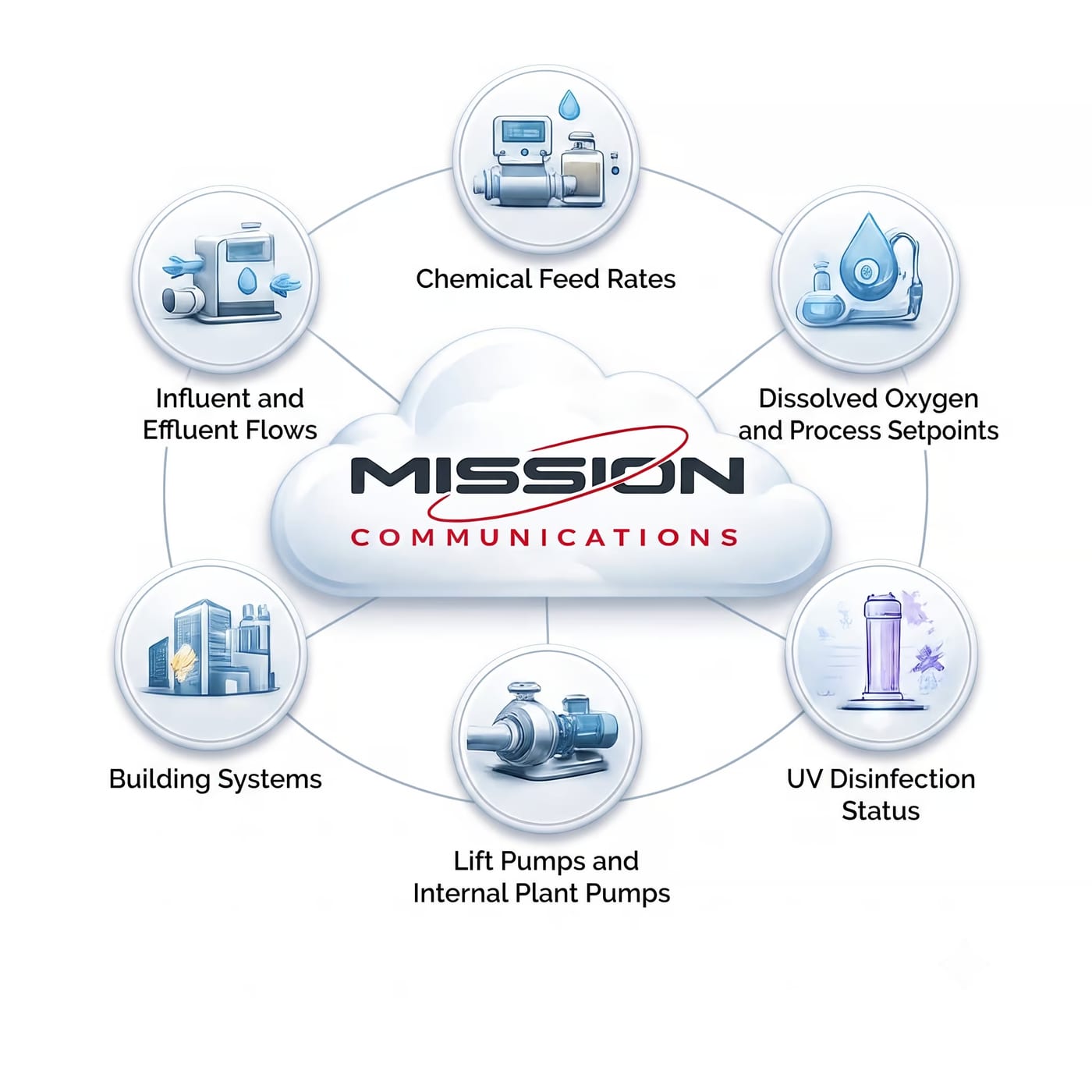
What You Can Monitor at a Treatment Facility
- Influent and effluent flows — volumetric flow tracking with trend reporting for NPDES compliance.
- Chemical feed rates — chlorine, polymer, and caustic dosing confirmation with low-tank alarms.
- Dissolved oxygen and process setpoints — where probes are installed, with configurable alarm bands.
- UV disinfection status — lamp operation, intensity, and failure alarms.
- Lift pumps and internal plant pumps — runtime, starts, and failure detection.
- Building systems — power status, intrusion, and environmental alarms for unmanned facilities.
Remote Visibility for After-Hours and On-Call Staff
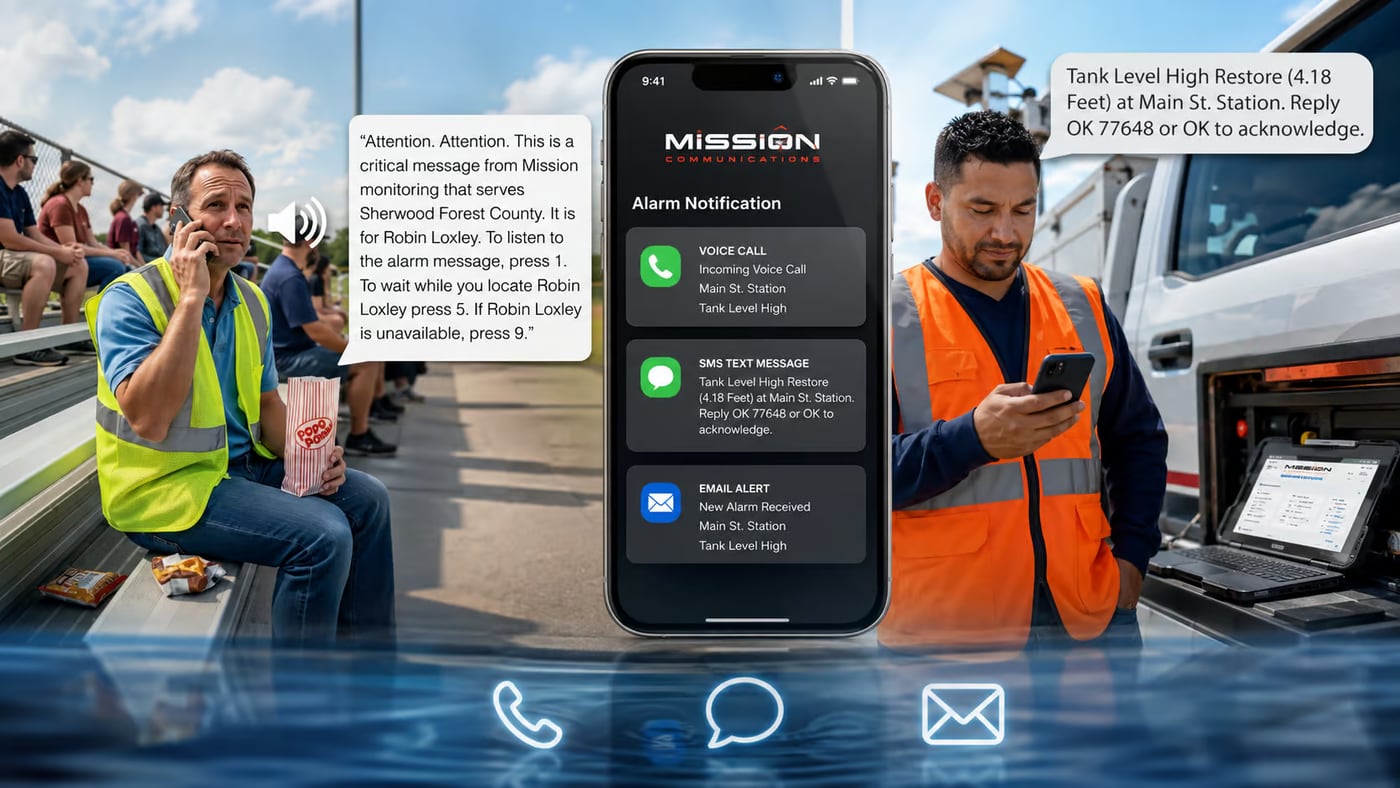
Treatment plant operators are increasingly expected to be reachable around the clock. Mission’s mobile app lets the on-call operator check plant status, acknowledge alarms, and review trends from anywhere — no VPN, no laptop, no drive to the plant for a false alarm.
When a genuine event occurs, the same alarm engine that dispatches calls and texts for collection system alarms escalates treatment alarms to the on-call rotation, with full logging for incident reviews.
NPDES and State Reporting
Treatment plants live and die by their discharge permit. Mission’s reporting engine produces the effluent flow, alarm, and runtime data needed for Discharge Monitoring Reports (DMRs), and retains every data point from installation so that permit audits never turn into a scramble for historical records.
Reports export to spreadsheet for direct upload to state eDMR systems, and every alarm event carries a full timestamp and acknowledgment log for enforcement defense.
What You Will Need
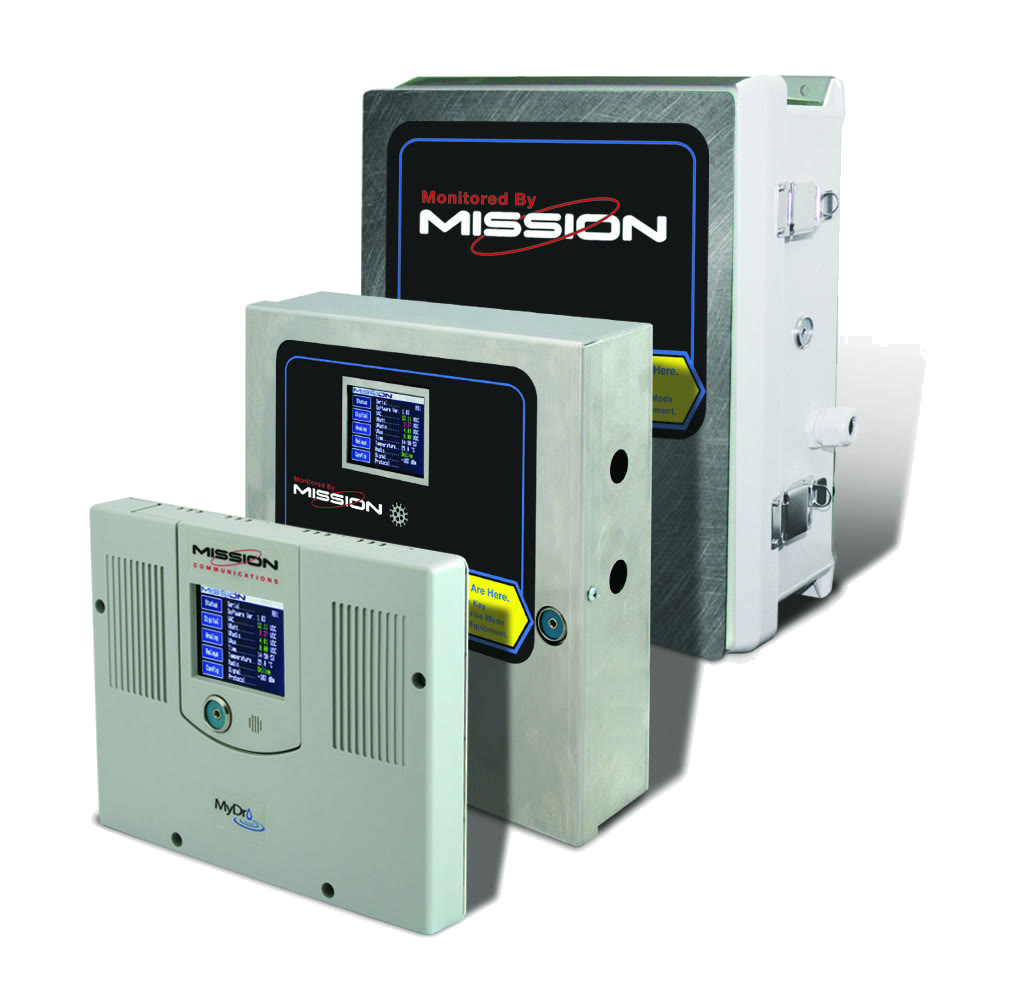
Line-powered RTUs with the I/O for flows, chemical feed, DO probes, UV status, and building systems. All RTUs include cellular data charges in the annual subscription—there are no separate data overage fees or early termination penalties.
MyDro 850
The full-featured, line-powered RTU with the most extensive I/O capacity. Ideal for larger stations requiring multiple analog and digital inputs, relay outputs for remote control, and expansion module support.
View MyDro 850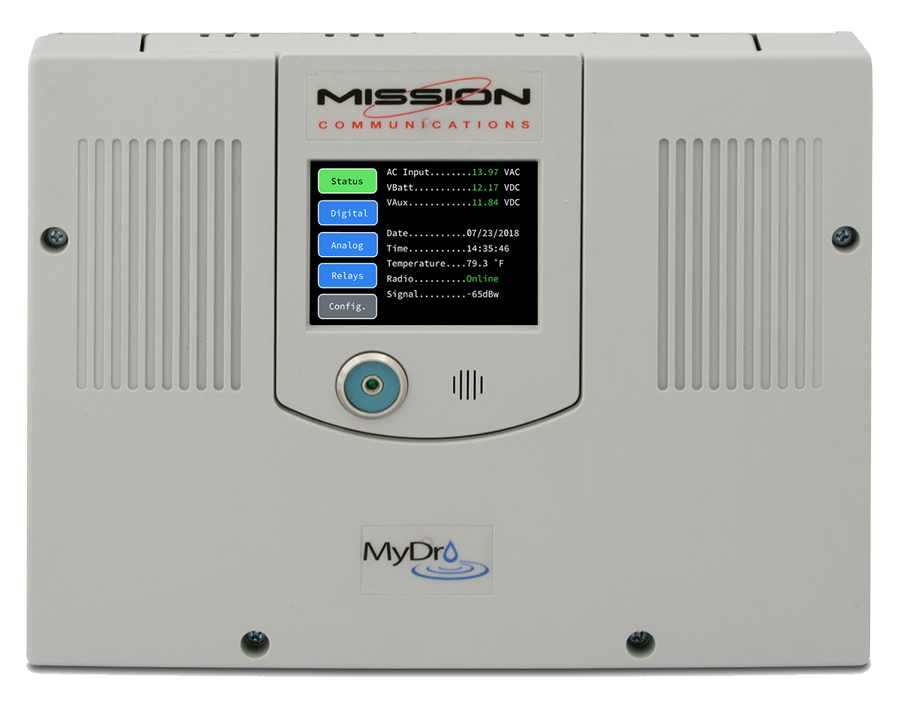
MyDro 150
A compact, line-powered RTU that delivers core monitoring and alarm capabilities in a smaller form factor. Supports emergency backup pump control and is upgradeable to the M850’s feature set.
View MyDro 150Not sure which RTU fits your site?
Compare every Mission RTU side by side, from line-powered to battery and solar. Or ask our team which one suits your site.
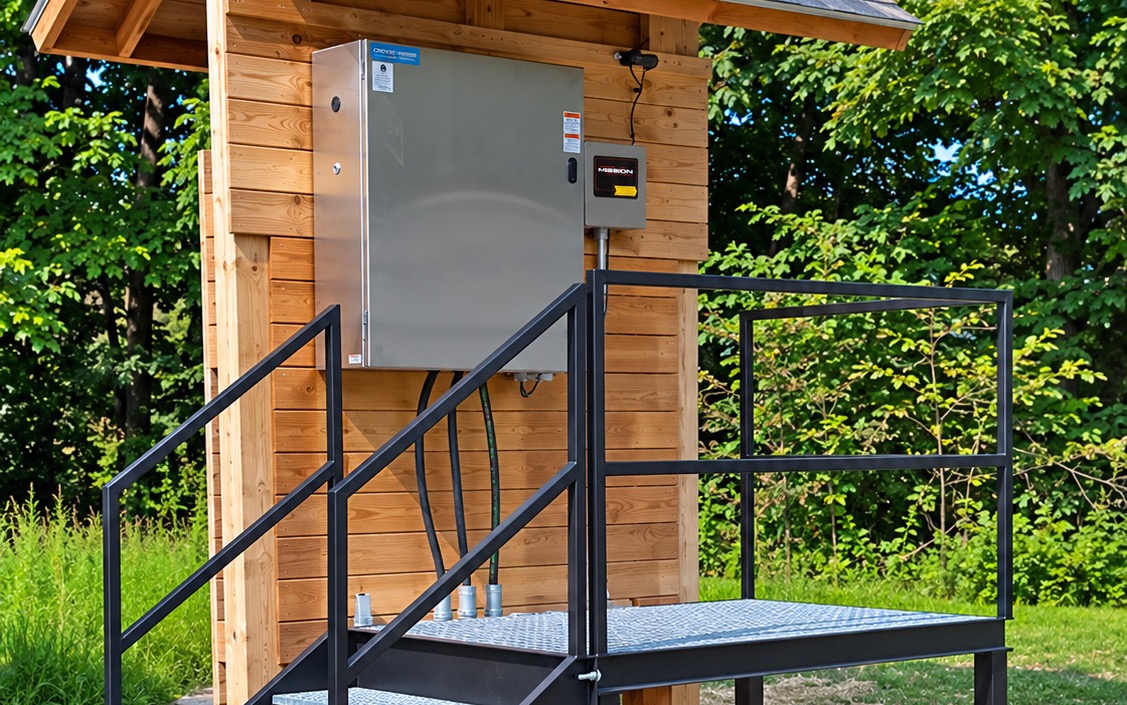
Lift Stations
Wet well levels, pump insights, power, and Emergency Backup Pump Control. Know about problems in minutes, not hours.
Explore Lift Stations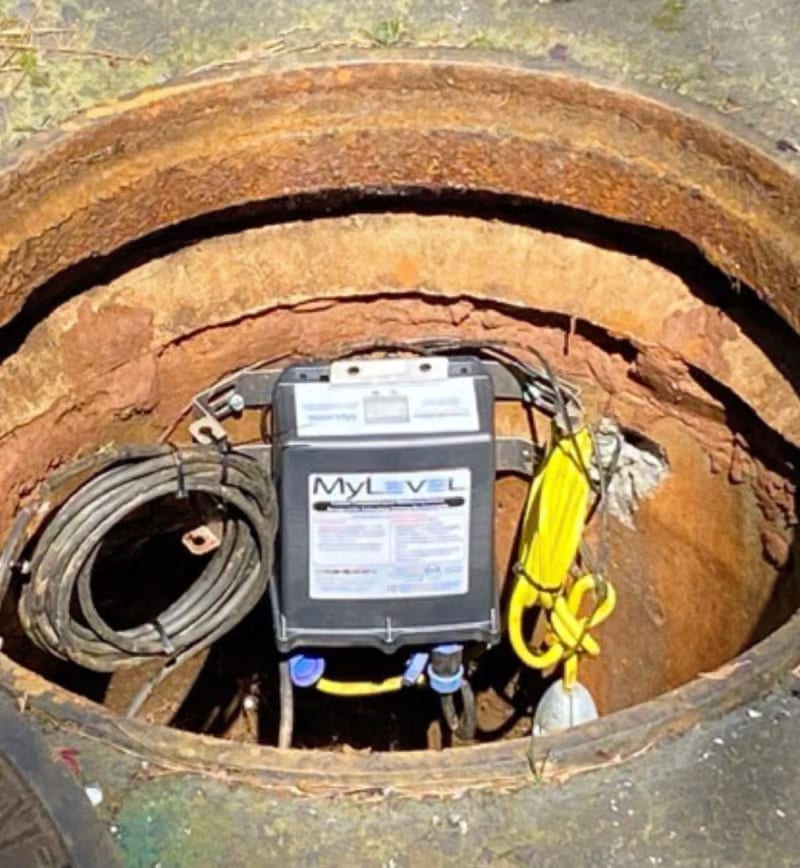
Sewer Manholes (CSO/SSO)
Battery-powered MyLevel monitors in manholes, multi-level alarms, and audit-quality overflow records for regulators.
Explore Sewer Manholes (CSO/SSO)See all Wastewater solutions
Every application Mission monitors and controls, with the alarms, reports, and hardware for each.
View all WastewaterFrequently Asked Questions
What is monitored in a water treatment system?
A water treatment system may monitor flow, pressure, pump status, tank levels, and process-related parameters tied to treatment performance. The goal is to give operators a clear view of conditions so they can maintain stable operation and respond to changes quickly.
How does SCADA support treatment plant performance?
SCADA supports treatment plant performance by centralising data, alarms, and system visibility. Operators can identify unusual trends sooner, review what is happening across the process, and make better-informed operational decisions.
Why is real-time water quality monitoring useful?
Real-time water quality monitoring helps operators identify changes faster instead of waiting for delayed checks or reports. That improves awareness, supports more timely action, and helps plants maintain more consistent treatment performance.
Get Started with Treatment Plant Monitoring
Whether you need a full monitoring layer for a small plant or an OPC-UA feed into an existing HMI, Mission’s team can scope the right configuration in a single call. Call 877.993.1911 or request a demo by clicking below.