- Solutions
- Stormwater
Stormwater MonitoringManaged SCADA for Rainfall, Flood Warning, and MS4 Compliance
From a single rain gauge supporting an I&I study to a county-wide flood warning network feeding an emergency operations center, Mission scales to fit every stormwater program.
Three ways to monitor stormwater
Rainfall
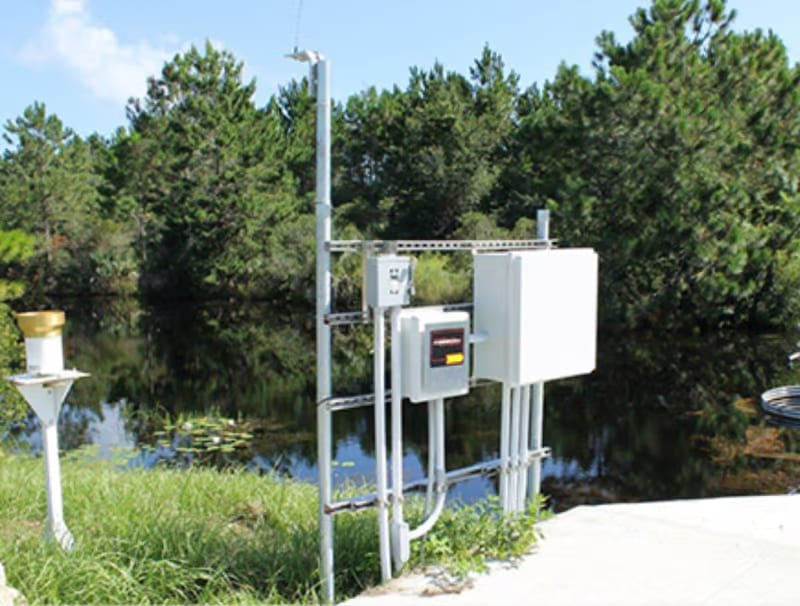
Cellular tipping-bucket rain gauges on the same map as every other RTU, with I&I correlation and MS4 records.
Explore Rainfall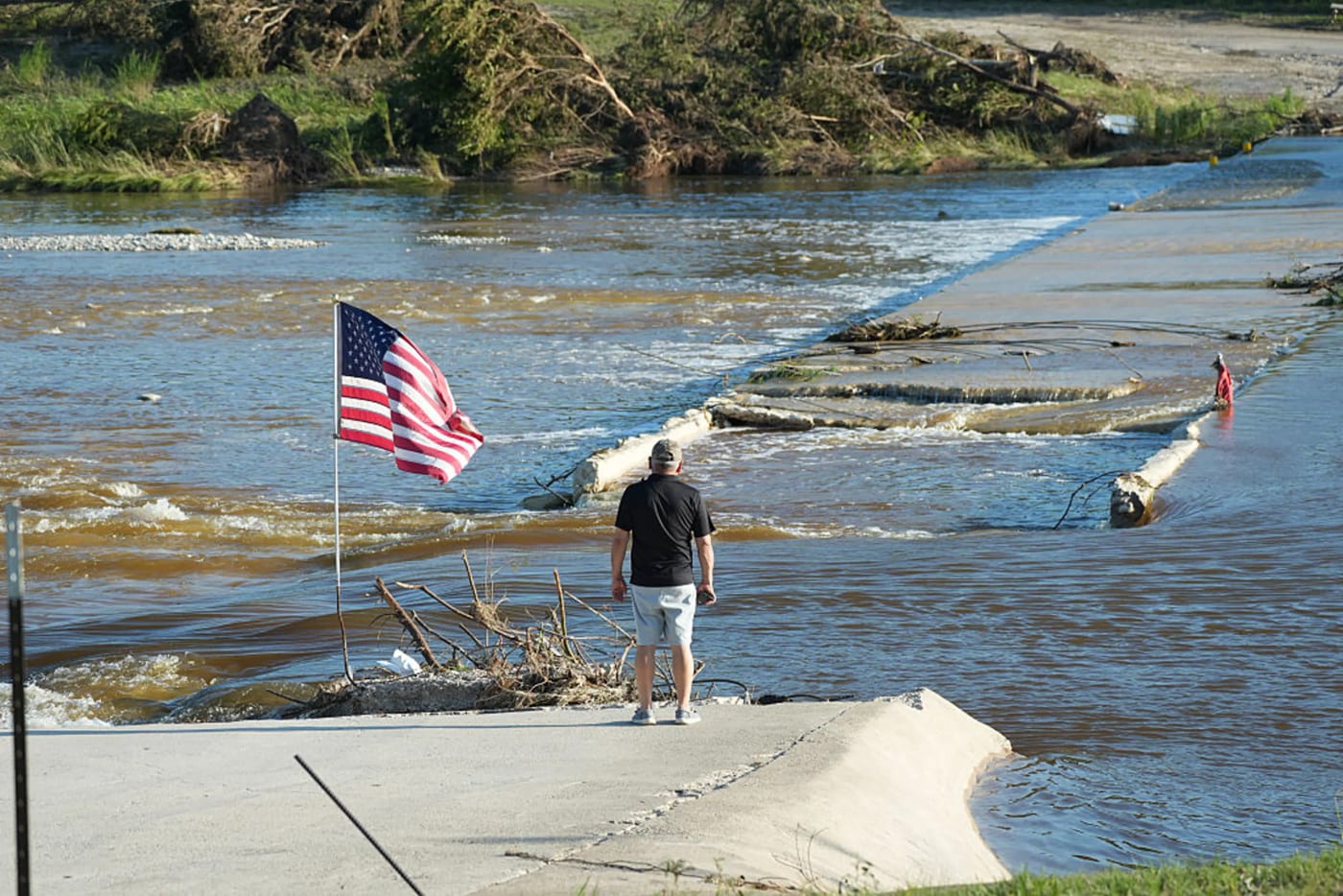
Flood Warning
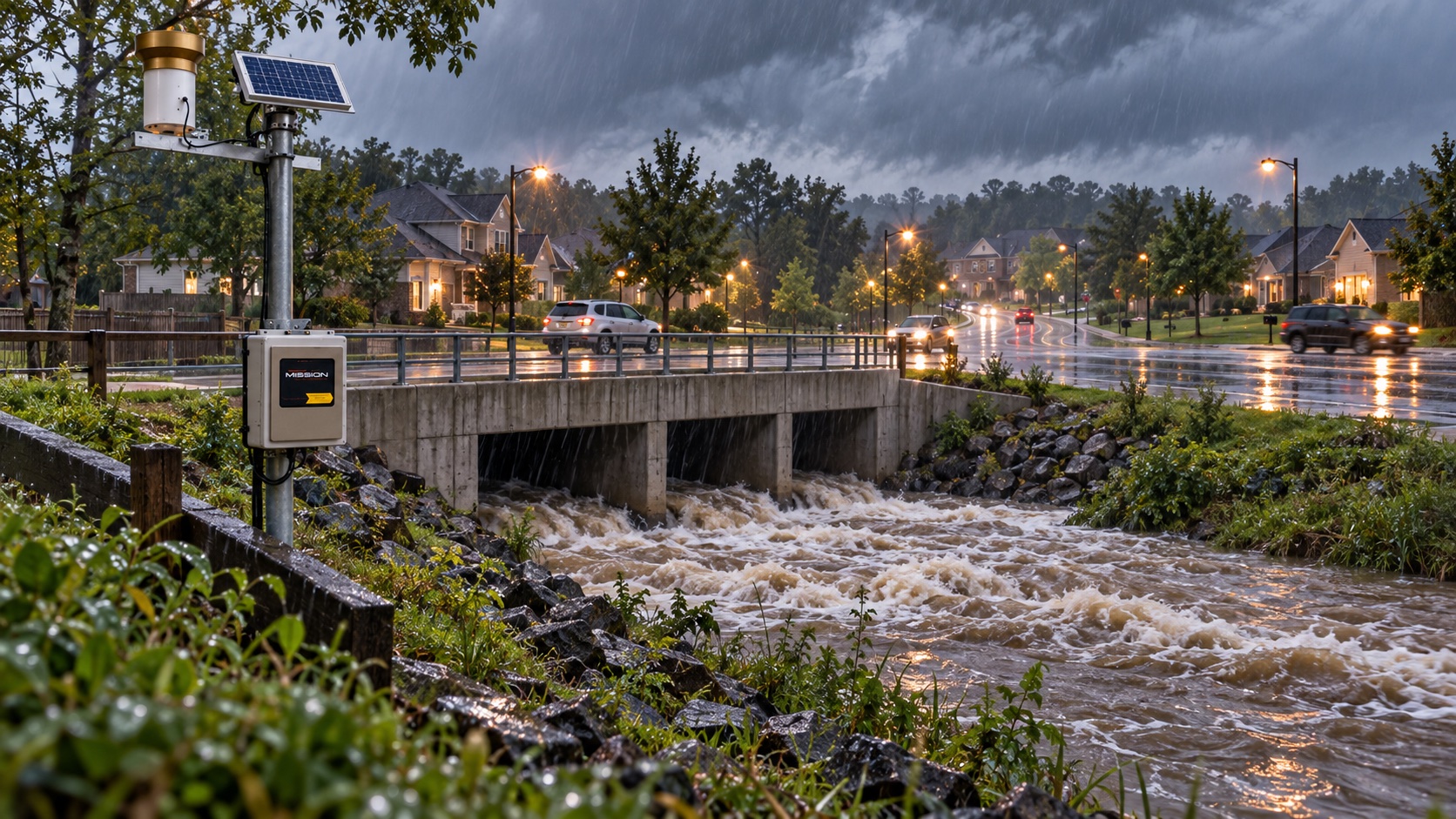
Stream and low-water-crossing monitoring that alerts emergency managers in under a minute and documents every event.
Explore Flood Warning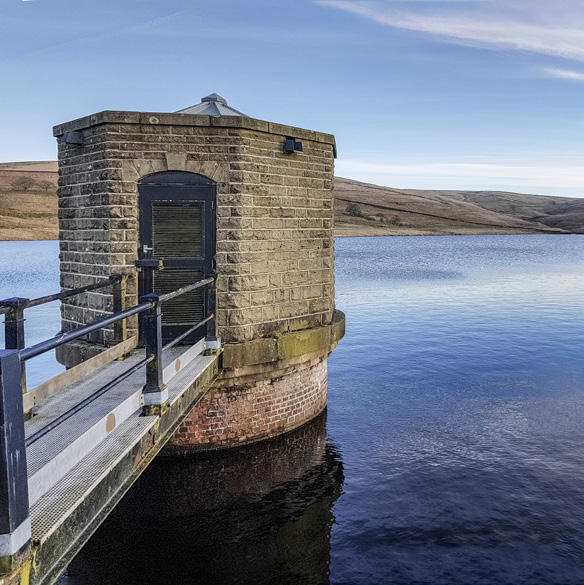
Reservoir & Lake Level
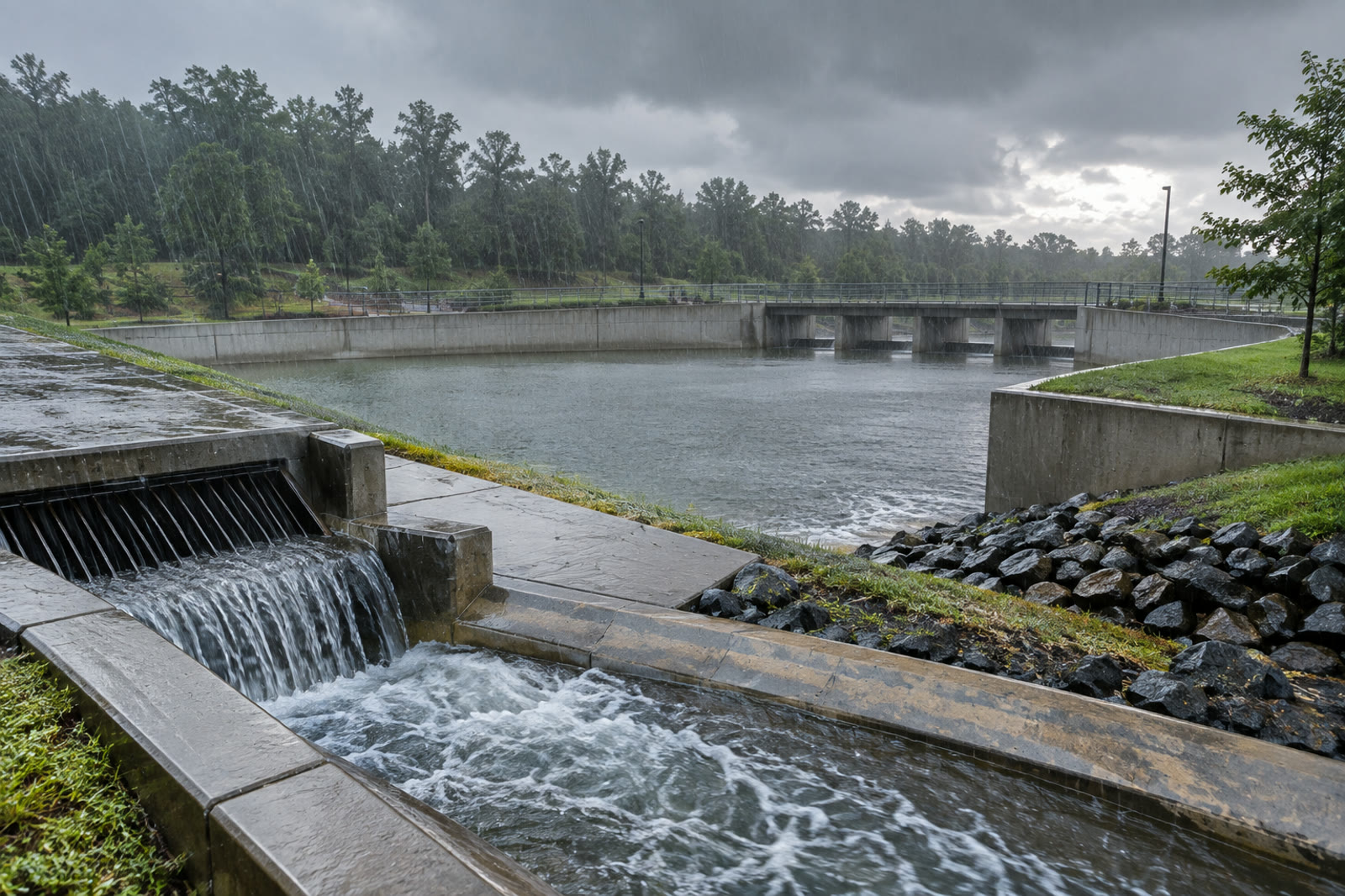
Live level, rate of change, and threshold alarms for reservoirs, lakes, rivers, canals, and detention basins.
Explore Reservoir & Lake LevelReal-Time Data for Wet Weather and Public Safety
Stormwater monitoring gives communities the data they need to protect public safety, meet MS4 permit obligations, and understand how wet weather affects downstream infrastructure. Mission’s managed SCADA delivers rainfall readings, stream levels, and flood warning alerts from any monitored site to any connected device — without on-premise servers, private networks, or dedicated IT support.
From a single rain gauge supporting an I&I study to a county-wide flood warning network feeding an emergency operations center, Mission scales to fit every stormwater program.
Rainfall Monitoring and Flood Warning
Rainfall monitoring shows how much water is coming. Flood warning shows where it is rising. On Mission, both run on the same RTUs, the same alarm engine, and the same 123SCADA map, so rainfall in a watershed can trigger an early alert before the stream gauge downstream starts to climb.
Rainfall Monitoring
Tipping-bucket rain gauges report rainfall totals in near real time. Overlay that data on lift station, CSO, and stream level trends to see how the system responds to each storm, identify inflow and infiltration, and document MS4 compliance.
See Rainfall Monitoring DetailsFlood Warning Systems
When stream or creek levels reach unsafe thresholds, alerts go to emergency managers, public works crews, and 911 dispatch in under a minute. Deployments range from a single low-water crossing to multi-site networks feeding automated signage, and every alarm event is logged for after-action review.
See Flood Warning DetailsMS4 and Regulatory Reporting
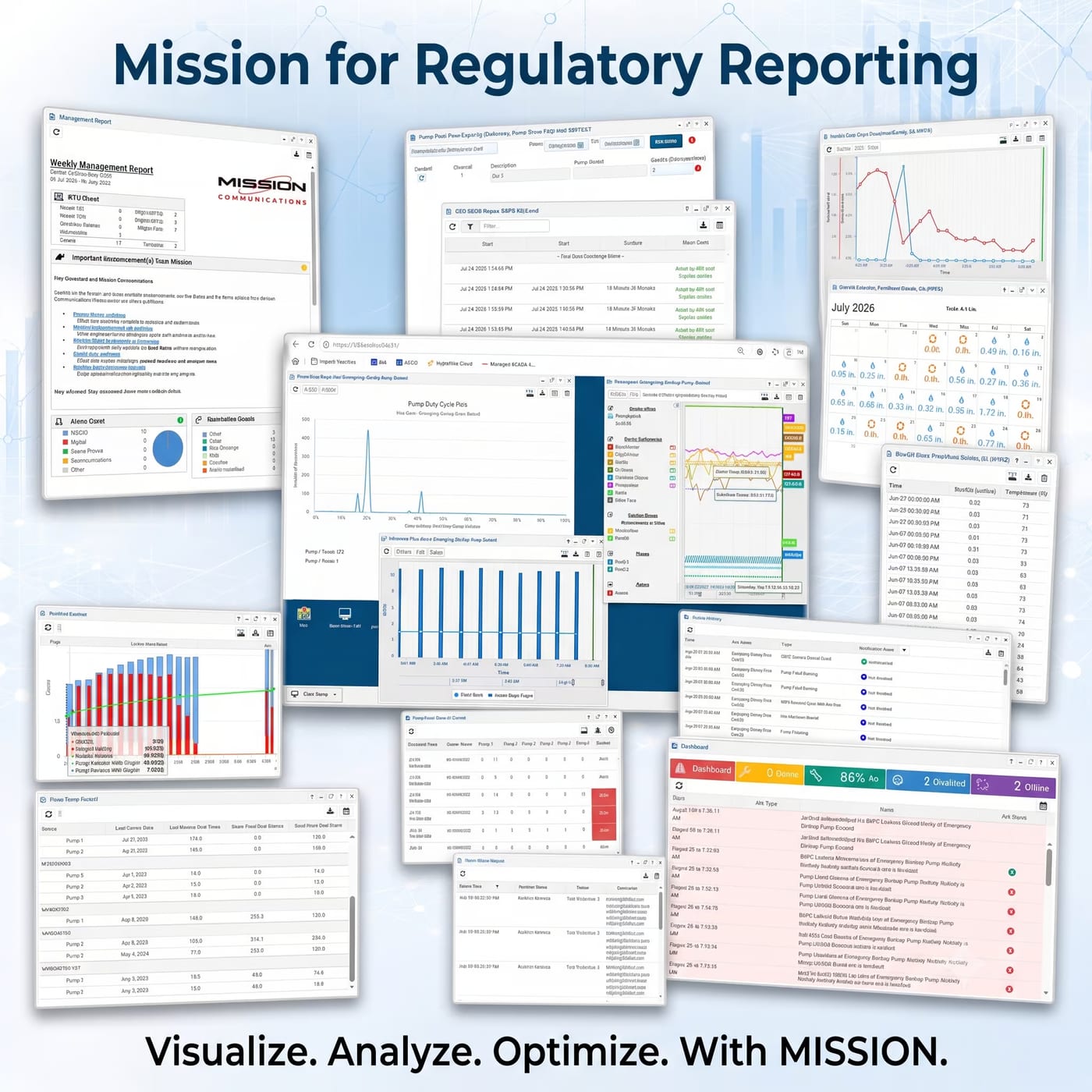
Municipalities operating under MS4 permits are required to monitor illicit discharges, track wet weather response, and document compliance activities.
Mission’s platform supports MS4 programs with automated rainfall reports, runoff correlation data, and defensible event logs.
All data exports cleanly to spreadsheets and integrates with GIS systems for mapping wet weather patterns across a service area.
Integration with Water and Wastewater Systems
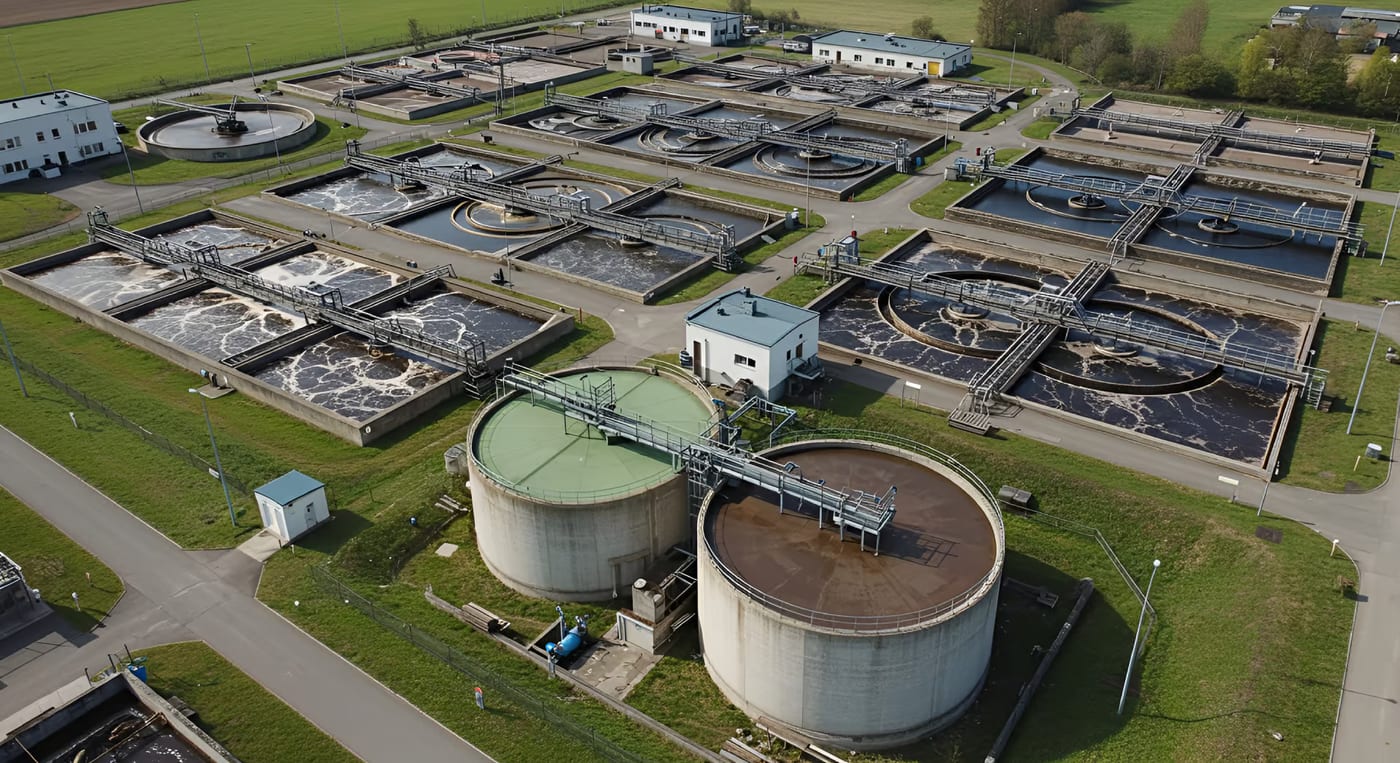
For utilities that also use Mission on the water or wastewater side, stormwater data lives in the same 123SCADA portal as every other RTU. Operators can pull a single report showing how a storm moved through the service area, which lift stations responded, which collection basins surged, and how water tanks held up — all from one interface.
This unified view is one of the reasons many utilities consolidate their water, wastewater, and stormwater monitoring on Mission rather than maintaining separate platforms for each.
What You Will Need
Battery-powered hardware for sites with no grid power: the MyDro 50 for rain gauges and stream sensors, MyLevel for open-channel and basin level. All RTUs include cellular data charges in the annual subscription—there are no separate data overage fees or early termination penalties.
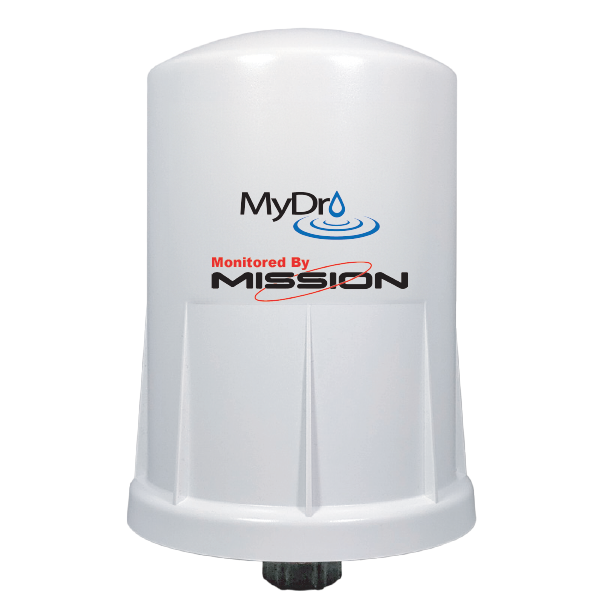
MyDro 50
A battery-powered RTU for small stations without reliable power, using solar charging and ultra-low-power cellular communication for years of maintenance-free operation.
View MyDro 50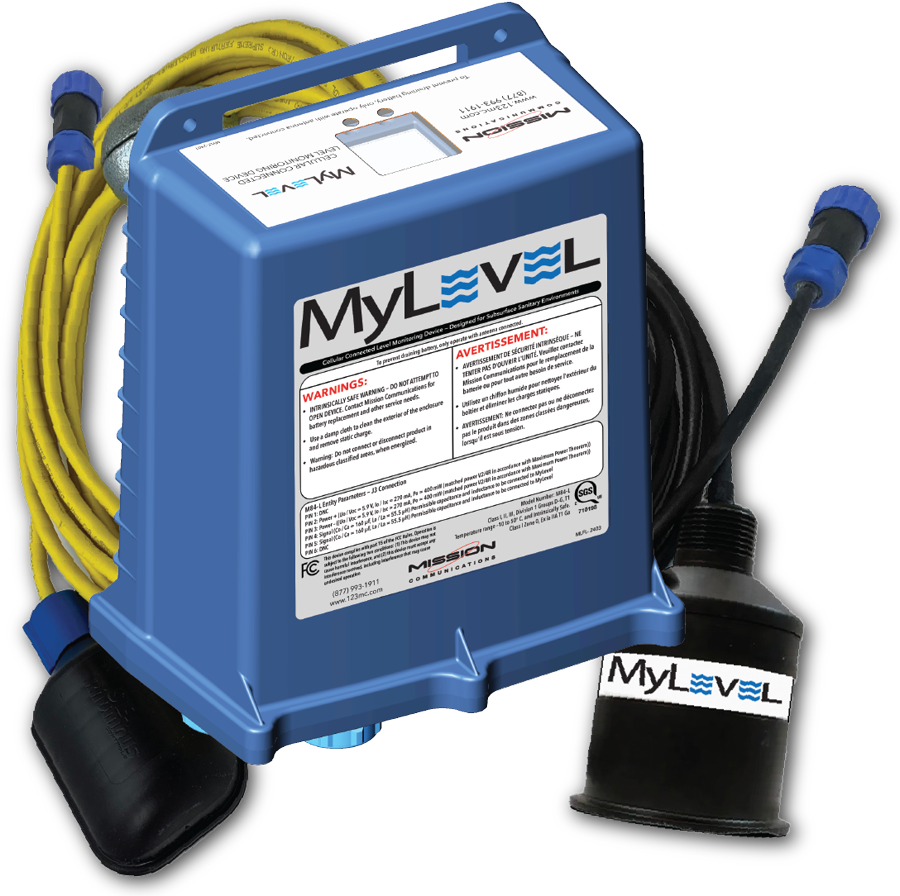
MyLevel
Battery-powered ultrasonic manhole monitor for CSO/SSO applications. Installs below grade and provides reliable level monitoring, real-time alarms, and years of operation on a single battery.
View MyLevelNot sure which RTU fits your site?
Compare every Mission RTU side by side, from line-powered to battery and solar. Or ask our team which one suits your site.
Rainfall
Cellular tipping-bucket rain gauges on the same map as every other RTU, with I&I correlation and MS4 records.
Explore RainfallFlood Warning
Stream and low-water-crossing monitoring that alerts emergency managers in under a minute and documents every event.
Explore Flood WarningReservoir & Lake Level
Live level, rate of change, and threshold alarms for reservoirs, lakes, rivers, canals, and detention basins.
Explore Reservoir & Lake LevelFrequently Asked Questions
What do stormwater monitoring systems track?
Stormwater monitoring systems can track runoff conditions, water levels, flow activity, rainfall-related impacts, and sometimes water quality depending on the site. That data helps teams understand how storm events affect infrastructure.
How does SCADA support stormwater response?
SCADA supports stormwater response by delivering live visibility into conditions and alerts during storm events. Operators can see changes faster and make quicker decisions about field response, risk areas, or system performance.
Why are real-time storm event alerts useful?
Real-time storm event alerts are useful because conditions can change quickly. Faster warnings help teams respond earlier, reduce risk, and improve oversight during periods of high runoff or system stress.
Get Started with Stormwater Monitoring
Mission’s managed SCADA scales from a single rain gauge to a county-wide flood warning network. Call 877.993.1911 or request a demo by clicking below.