- Solutions
- Wastewater
- Sewer Manholes (CSO/SSO)
CSO and SSO MonitoringReal-Time Sewer Overflow Detection and Regulatory Documentation
Continuous monitoring, early warning, and audit-quality reporting that regulators expect — without the cost and complexity of traditional permanent installations.
Continuous Sewer Level Monitoring That Stands Up to Regulators
Combined sewer overflow (CSO) and sanitary sewer overflow (SSO) events are among the most heavily regulated aspects of wastewater management in the United States. Utilities operating under EPA consent decrees or state enforcement orders must continuously monitor overflow points, detect events in real time, and maintain a defensible documentation trail for every rising water condition.
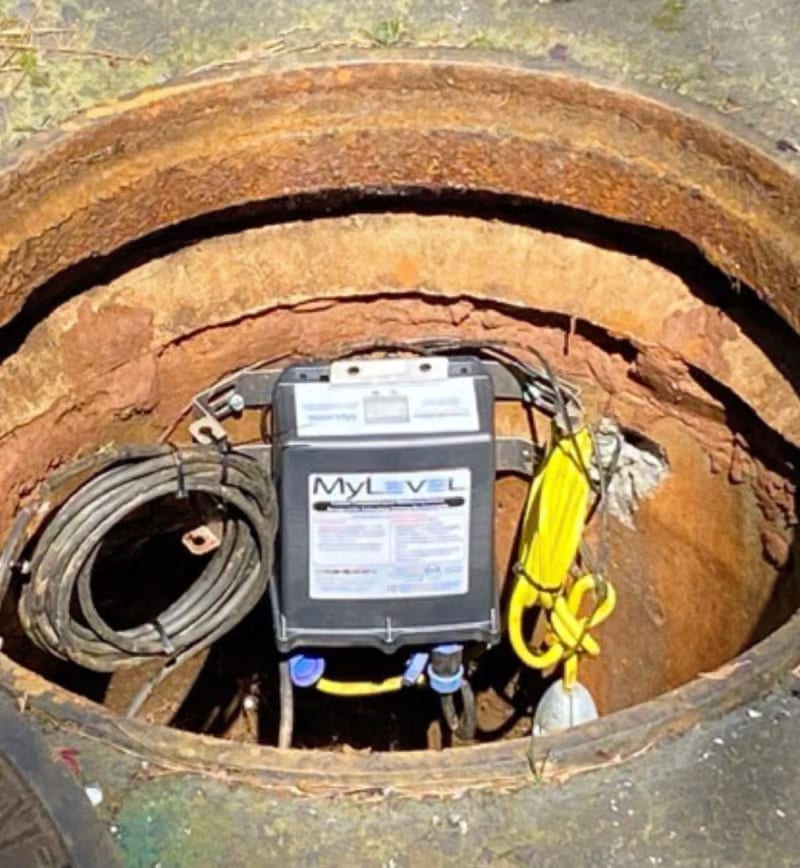
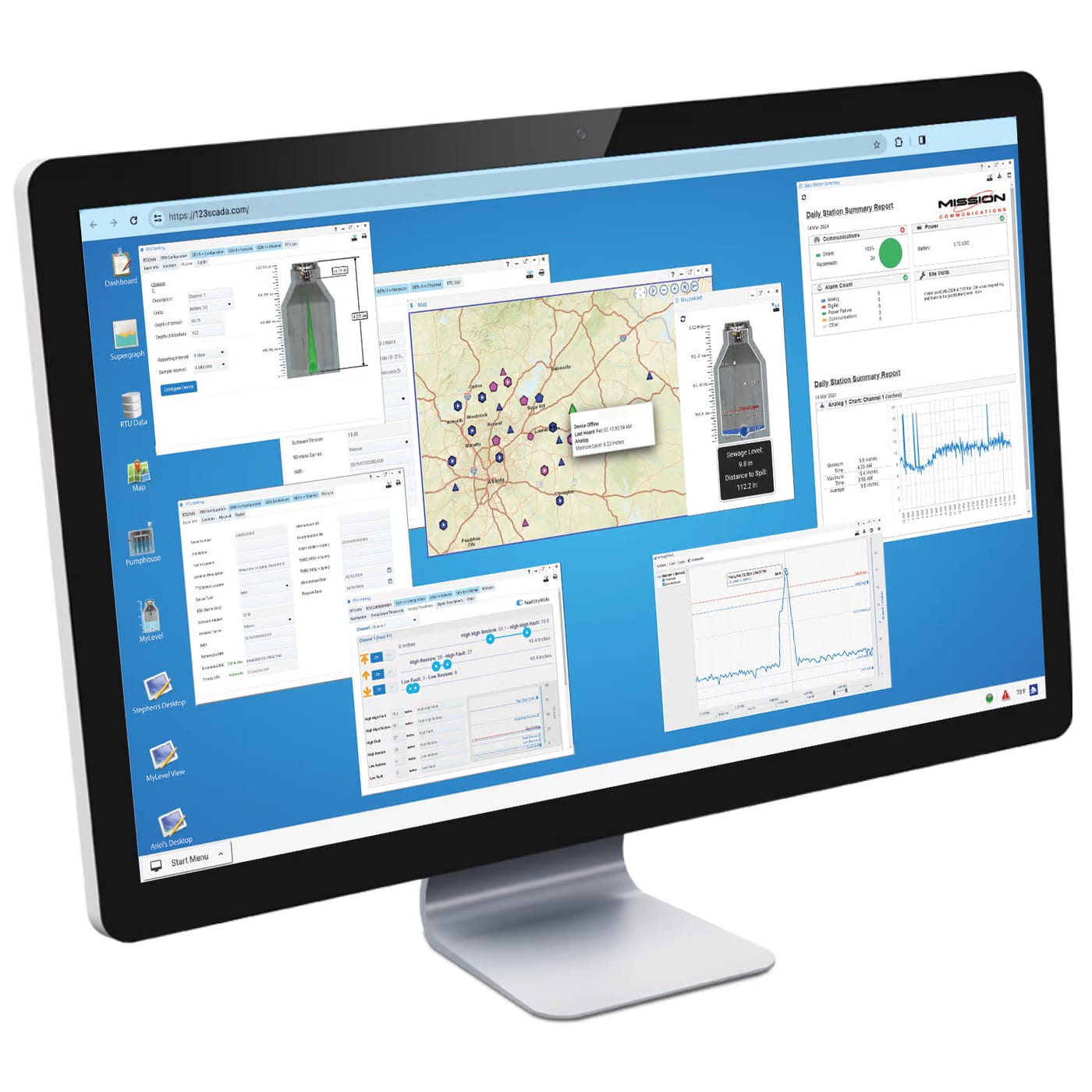
Mission’s MyLevel sewer monitoring system and 123SCADA platform together deliver the continuous monitoring, early warning, and audit-quality reporting that regulators expect — without the cost and complexity of traditional permanent installations.
How MyLevel Works
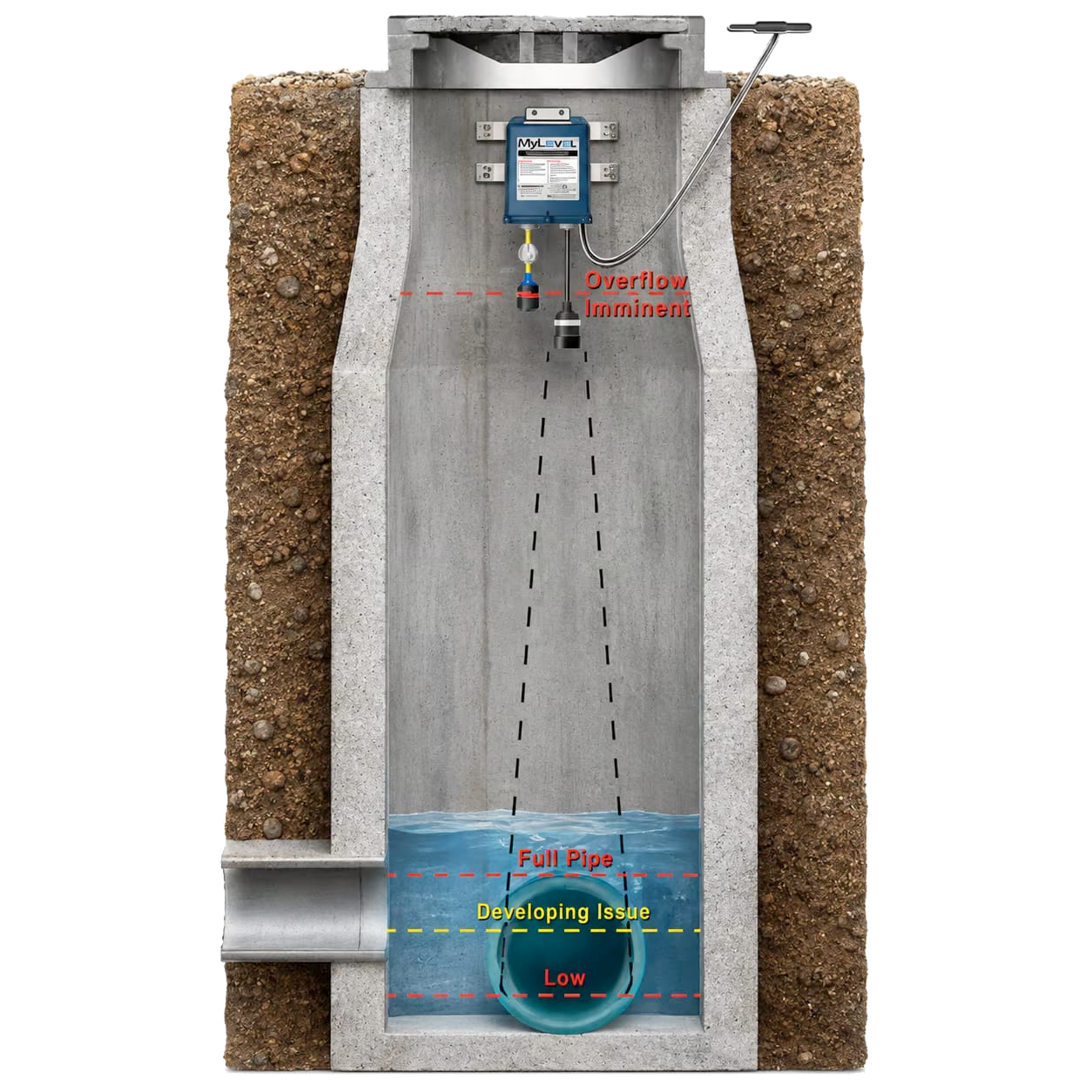
MyLevel is a battery-powered, cellular sewer level monitor engineered to live for years inside a manhole. A non-contact and submersible sensor measures sewer level continuously and the onboard cellular radio transmits data to the 123SCADA cloud at configurable intervals.
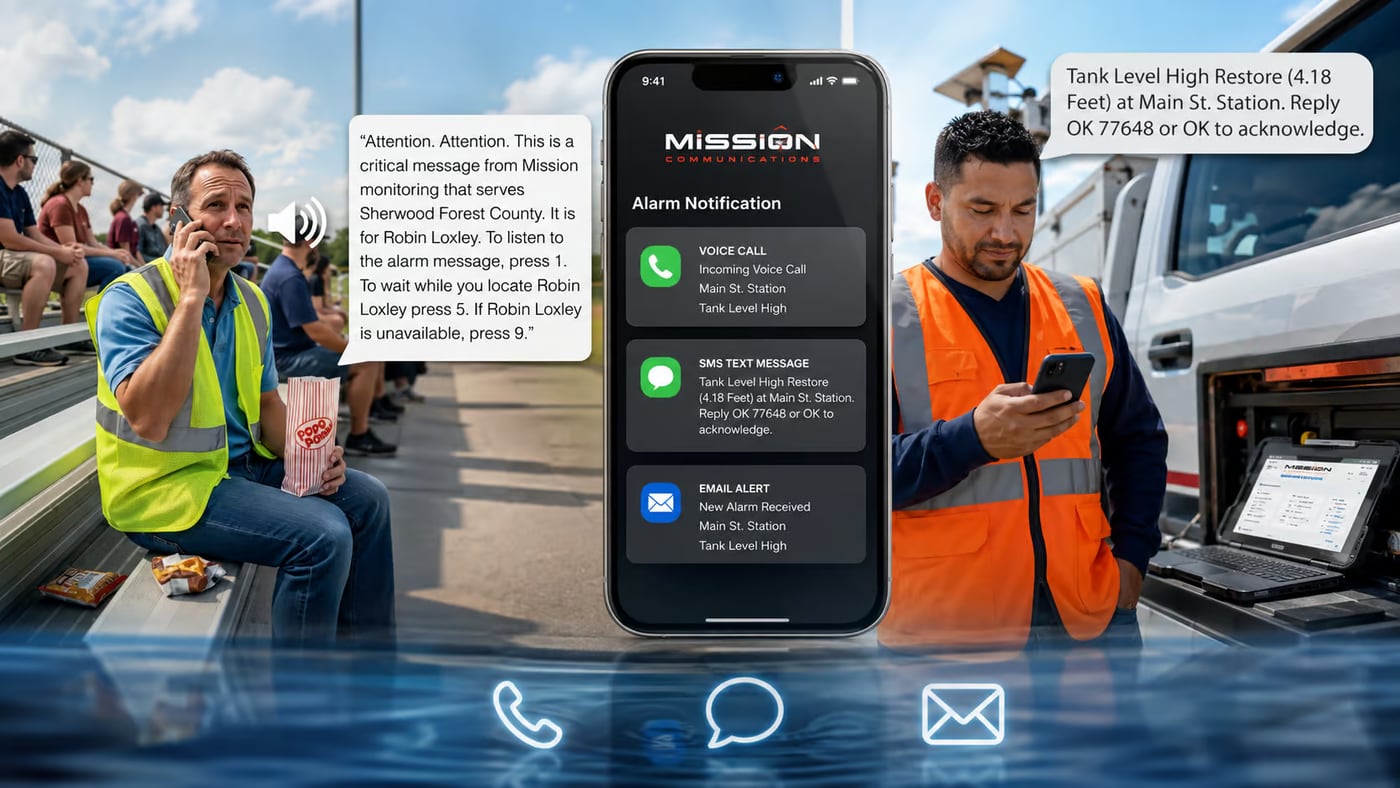
When levels rise past a user-defined threshold, MyLevel switches into fast-report mode and dispatches alarms in under a minute via phone, text, or email. Once levels recede, it returns to low-power mode to preserve battery life — often multiple years of operation on a single battery pack.
Installation typically takes one field crew less than an hour per site. There is no mains power to bring in, no antenna mast to erect, and no local data logger to configure — everything is provisioned from the 123SCADA portal before the crew leaves the yard.
Event Detection and Alerting
Every utility sets its own overflow thresholds based on structure geometry and regulatory requirements. Mission’s alarm engine supports multi-level thresholds — for example, a ‘watch’ level that triggers an email, an ‘alert’ level that triggers a text, and an ‘overflow’ level that triggers a phone call to the on-call operator.
Every threshold crossing is time-stamped and logged with operator acknowledgment. Because the platform is cloud-hosted, there is no local log file to lose when a site is underwater, and no gap between an event occurring and the record existing in the system of record.
Regulatory Reporting and Consent Decree Support
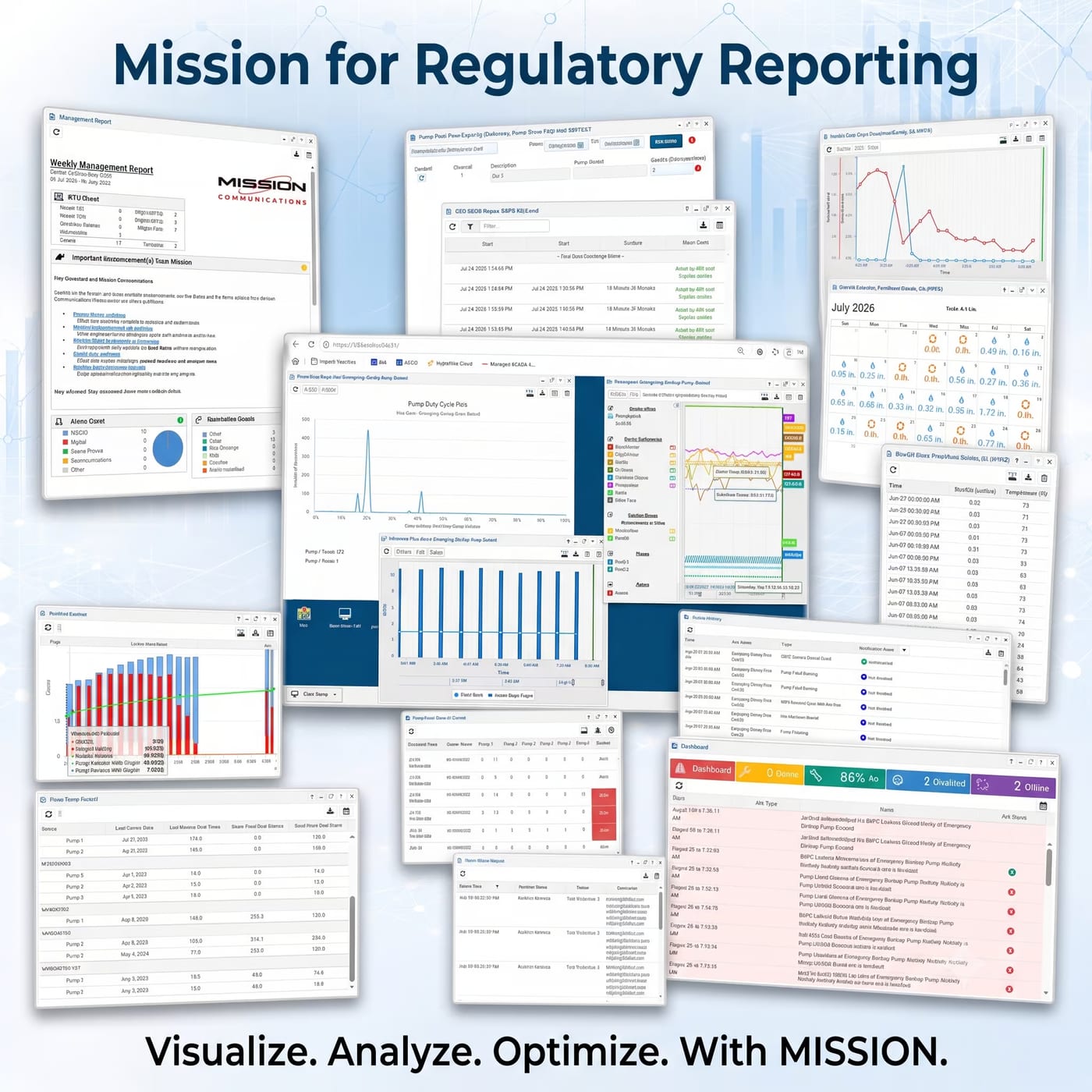
Regulators increasingly demand not just overflow counts but full contextual records: when the event started, when it ended, how high water got, who was notified, when they acknowledged, and what actions were taken. Mission’s platform produces every element of that record automatically.
Standard CSO and SSO event reports include duration and peak level. Reports export to spreadsheet or PDF for direct inclusion in quarterly regulatory filings and consent decree progress reports.
All historical data is retained from the date of installation. If a regulator requests records from three years ago, the data is one login away — not buried in an archive on a retired server.
Rainfall Correlation and I&I Analysis
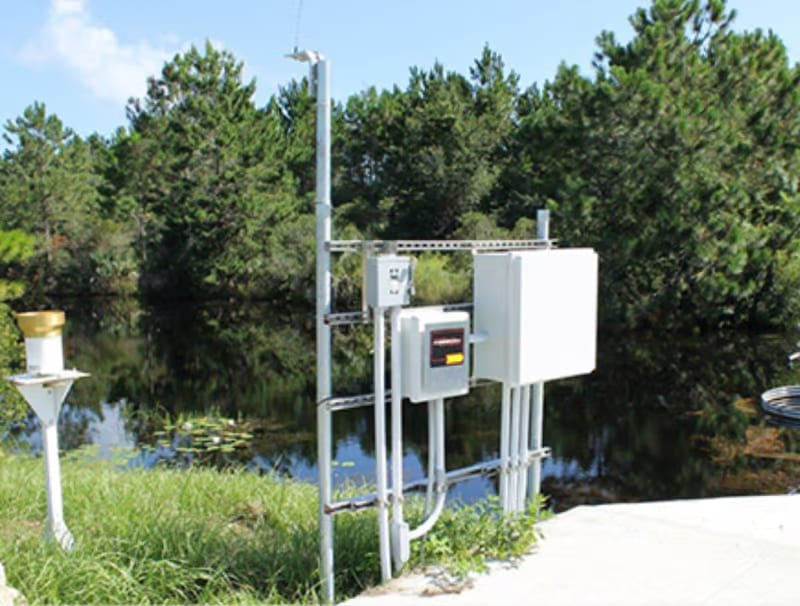
Many overflows are driven by inflow and infiltration (I&I) — stormwater and groundwater leaking into the sanitary system during wet weather. Mission’s platform overlays sewer level data with rainfall readings from nearby rain gauges (Mission or third-party) to reveal which basins respond most aggressively to rain.
This correlation layer transforms overflow data from a compliance obligation into an asset-management decision-support tool. Utilities use the data to prioritize rehabilitation spending, defend sewer rate increases, and justify capital requests to boards and regulators.
What You Will Need
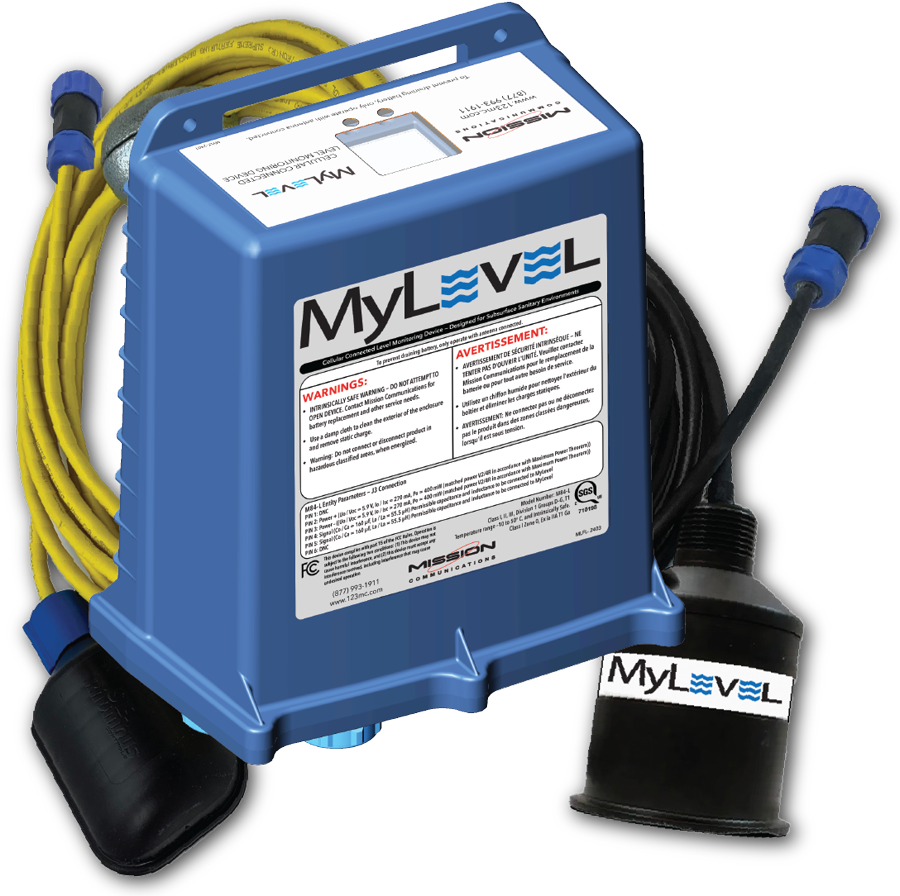
MyLevel is the sensor for this application: battery-powered, intrinsically safe, and sized to sit under the manhole cover. All RTUs include cellular data charges in the annual subscription—there are no separate data overage fees or early termination penalties.
MyLevel
Battery-powered ultrasonic manhole monitor for CSO/SSO applications. Installs below grade and provides reliable level monitoring, real-time alarms, and years of operation on a single battery.
View MyLevelNot sure which RTU fits your site?
Compare every Mission RTU side by side, from line-powered to battery and solar. Or ask our team which one suits your site.
Lift Stations
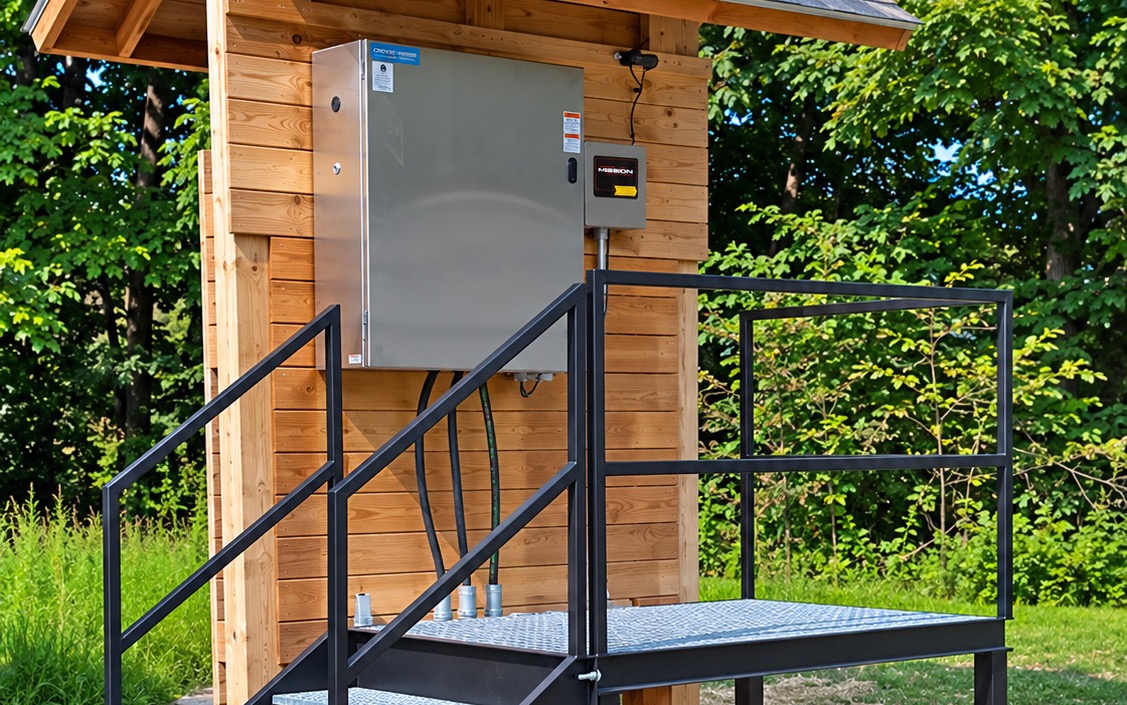
Wet well levels, pump insights, power, and Emergency Backup Pump Control. Know about problems in minutes, not hours.
Explore Lift Stations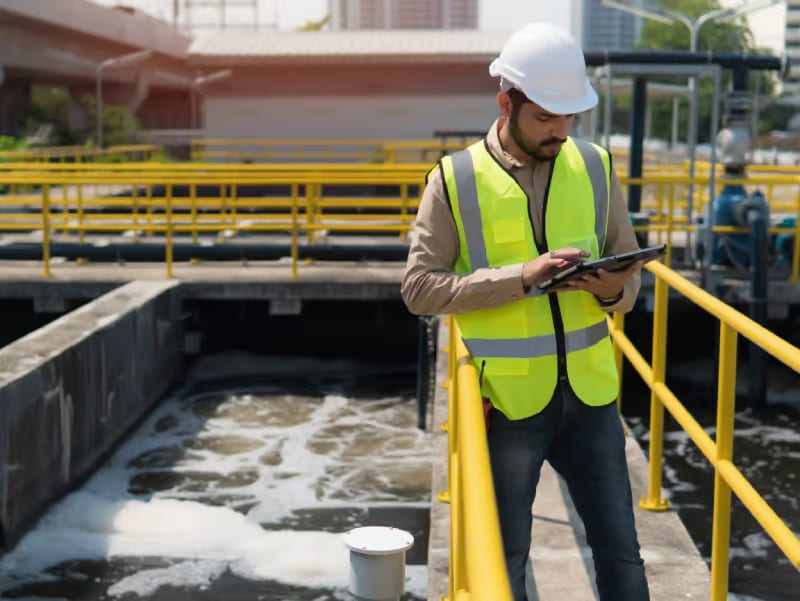
Treatment Plant Monitoring
A managed overlay that feeds collection-system data into plant SCADA by OPC-UA and covers what the plant system cannot reach.
Explore Treatment Plant MonitoringSee all Wastewater solutions
Every application Mission monitors and controls, with the alarms, reports, and hardware for each.
View all WastewaterFrequently Asked Questions
What is the difference between CSO and SSO events?
A CSO involves overflow from a combined sewer system that handles both stormwater and wastewater, while an SSO happens in a sanitary sewer system that is intended to carry wastewater only. Both are serious, but they occur in different system types.
How do monitoring systems help reduce overflow events?
Monitoring systems help reduce overflow events by tracking conditions in real time and alerting operators when levels or alarms indicate rising risk. That gives teams more time to investigate and respond before an overflow becomes worse.
Why is overflow monitoring important for compliance?
Overflow monitoring supports compliance because it helps utilities document conditions, respond more quickly, and maintain better records around event detection and system performance. Better monitoring can also improve reporting accuracy after an incident.
Get Started with CSO/SSO Monitoring
Whether you have two critical overflow points or two hundred, Mission can help you build a monitoring program that satisfies regulators and gives your operations team genuine operational value. Call 877.993.1911 or click below to request a demo.