Customer Stories

Customer Stories: How Utilities Use Mission in the Field

During Customer Appreciation Week, operators, superintendents, and engineers from across the U.S. and Canada told us what Mission has done for their systems: the alarm that found a tree in a manhole, a plant kept online through a flood with one spare part, a billing point running for a year on solar. These are their stories, in their own words.

Featured

Four stories worth the whole read

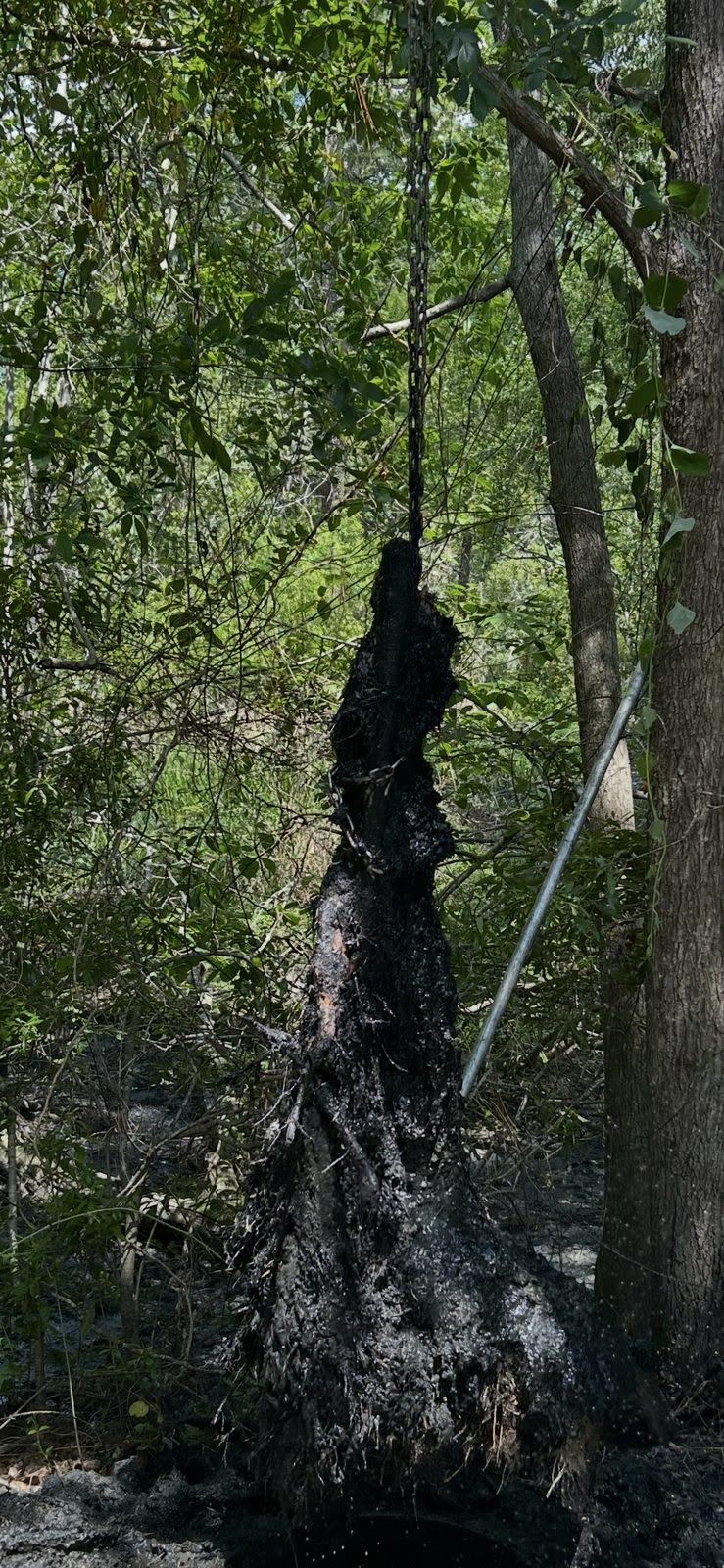
The first chunk of a tree root pulled from a sewer manhole
Wastewater

A small city in Georgia

A tree was growing in the manhole

Mission flagged a runtime variance at one of the city’s lift stations: flow was abnormally low for that site. When the crew inspected the manholes feeding the station, they found a tree growing inside one of them, slowly choking the flow. Hours of chopping later, four large chunks came out and the manhole flowed like normal.

“Thanks to Mission, we were able to solve this issue quickly, without a major incident.”
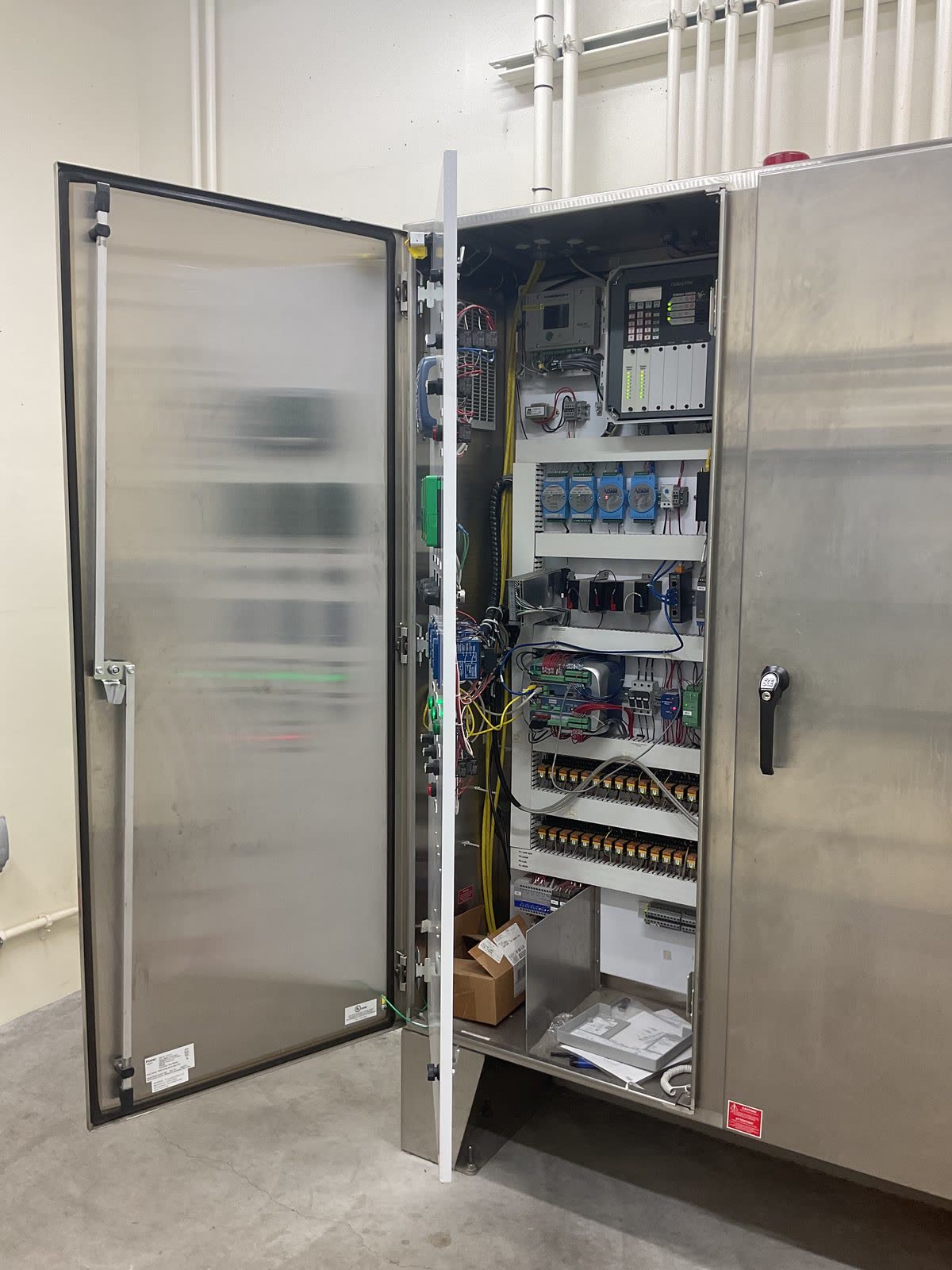
A MyDro 850 enclosure open, showing the controller board, battery, and wiring
Support

A rural water district in Kansas

One spare transducer and a phone call through a flood

The river crept in, then came all at once. By nightfall the lower level of the plant was under water, pumps were down, and most of the instrumentation was submerged. Without pressure there was no way to prove the water was safe, and a boil order was next. The operator called Mission with one thing left: a pressure transducer that had never been installed. A technician stayed on the line, wire by wire, until it was landed on an RTU analog input, scaled, calibrated, and reading live pressure. The system held through the night and the boil order never went out.

“They didn’t rush. They didn’t panic. They translated chaos into clarity.”
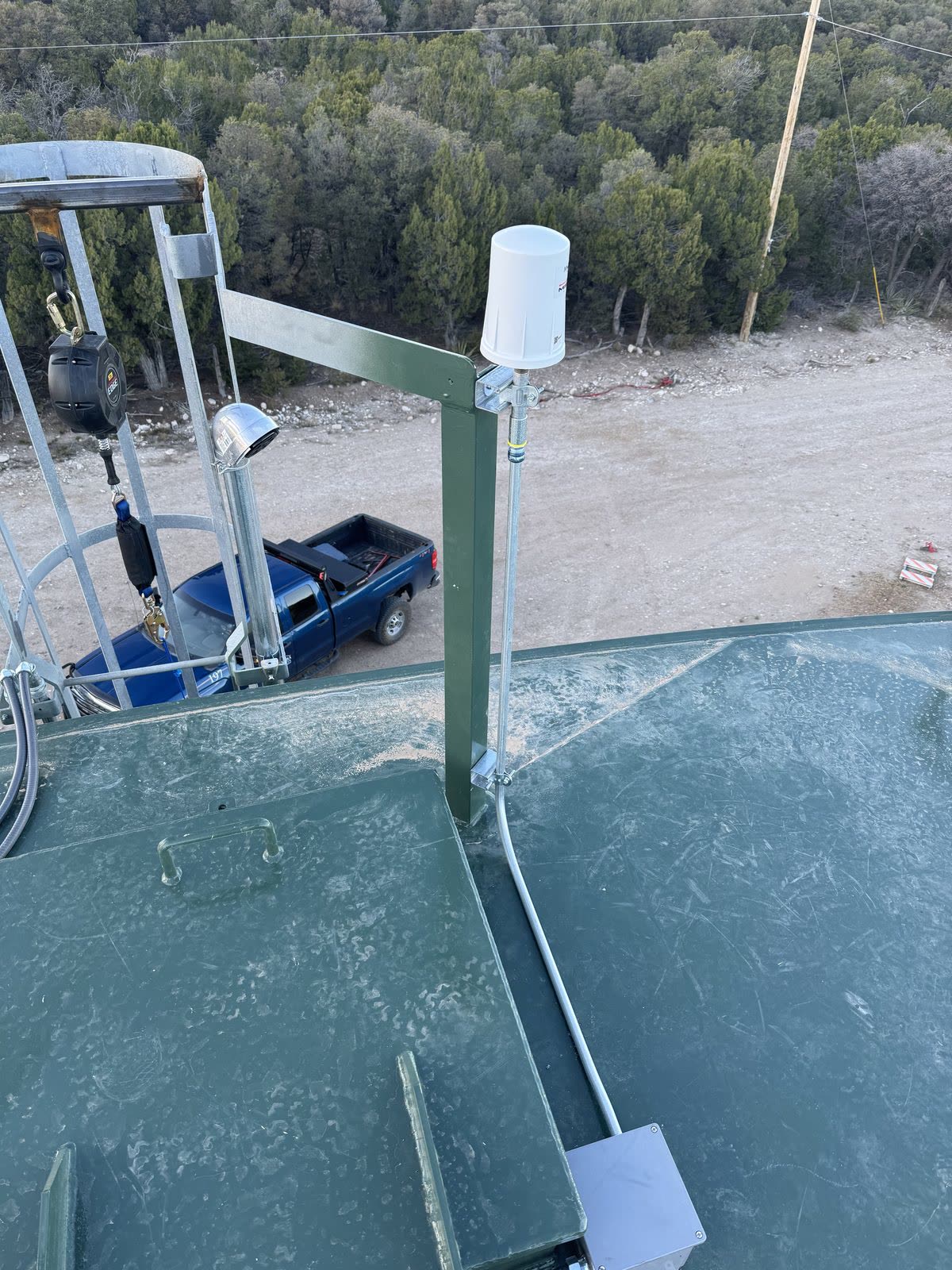
A battery-powered Mission RTU mounted at a remote site
Wastewater

A city in North Carolina

A billing point with no power for miles

A new remote outfall carries the city’s wastewater to an outside treatment provider, and the flow meter there sets the bill. Every gallon counts, but the site has no electrical service. The city built the installation around a Mission RTU with a solar array and battery bank sized for winter, all in a stainless enclosure raised above the meter. More than a year in: no gaps, no outages, and time-stamped flow records both parties trust.

“Treat the power system as critical infrastructure, not an accessory.”
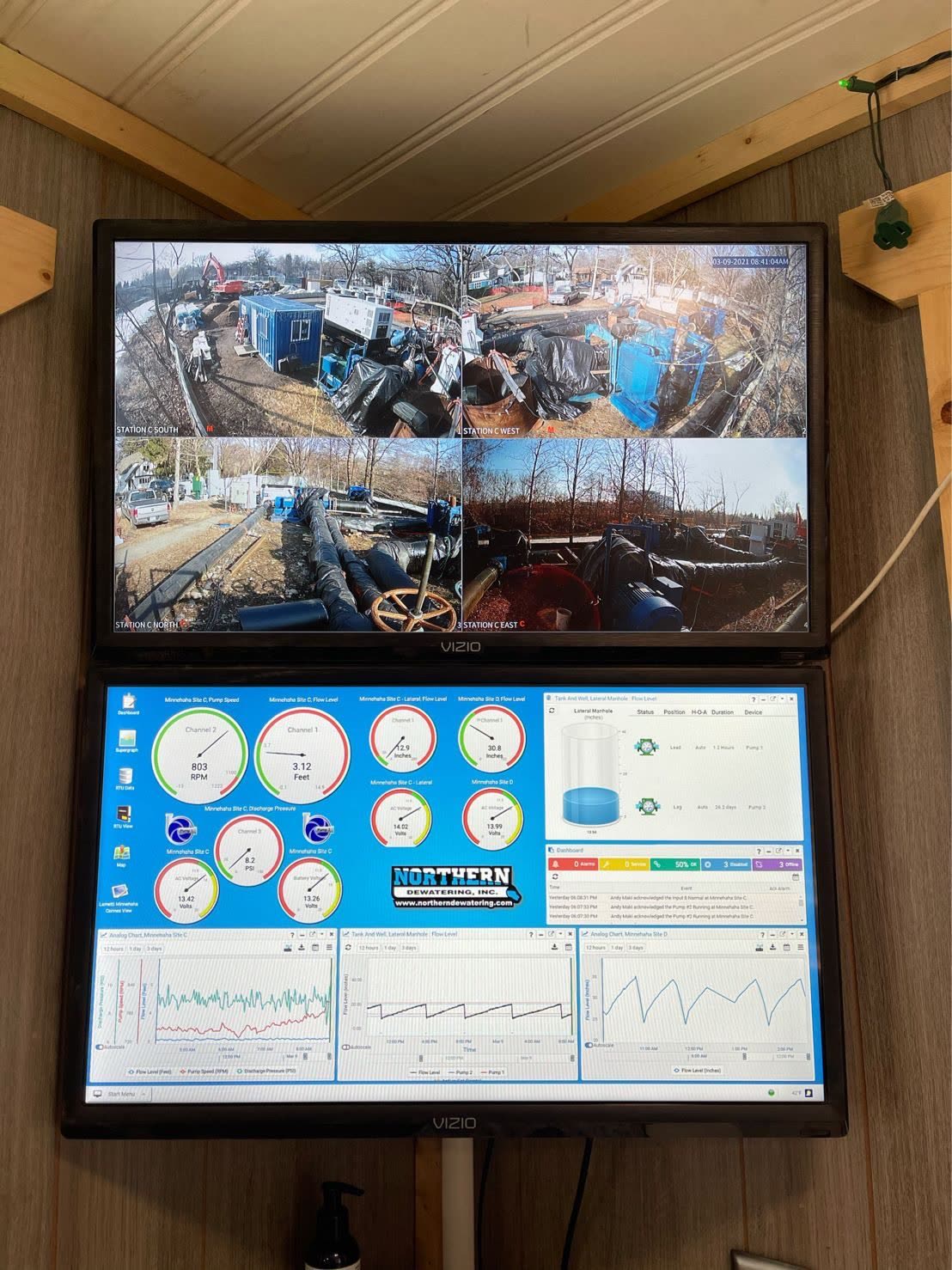
A 123SCADA dashboard and camera feeds on an operator’s control desk
Wastewater

A public service authority in Southwest Virginia

Alerts that finally get through the mountains

Ridges and valleys between two mountain ranges made radio paths and even cell signal a constant headache, and the old SCADA system sometimes delivered lift station alarms hours or days late. After a conversation at a rural water conference, the authority trialed Mission at two pump stations. Alerts arrived fast and with enough detail to tell an emergency from something that could wait until morning, which cut unnecessary overtime. Staff pushed to expand, and the authority did.

“If Mission units can perform reliably in the rugged, remote terrain here, we are confident they can work just about anywhere.”
More from the field

Filter by what you run

Every story below came from a utility, contractor, or plant operator during Customer Appreciation Week. Locations are generalized.

Water

A borough authority in Pennsylvania

Early notice on the biggest main break in town history

A 14-inch water main let go in September. Mission gave the authority very early notice, and the same data supplied everything needed for the state environmental report afterward.

“Not sure how we would have got through the situation without the assistance we received from Mission.”
Water

A county water authority in Alabama

An interconnect valve run by pulse count, overridden from a fishing boat

An automated butterfly valve on an interconnect with a neighboring utility opens and closes on a set number of meter pulses, so neither utility has to send anyone to the site. Mission built in an instant emergency override for the operator.

“I used the emergency override function while fishing in the Gulf!”
Wastewater

A city park in Iowa

From reactive to proactive at a busy park restroom

Repeated grinder pump failures at a heavily used park restroom meant overflows nobody saw until after the fact. Mission tied wireless monitoring and text alerts directly to the pump system, so crews now respond the moment performance dips or a high-level alarm trips.

“Beyond fixing the immediate problem, the project created a long-term operational improvement through preventative monitoring.”
Wastewater

A sewerage authority in New Jersey

Started with six stations, never looked back

The authority had no monitoring over its collection system. Mission recommended starting with six pump stations. It worked so well they are now outfitting every remaining station and the main plant.

“Worry-free monitoring is the key to success and has saved loads of man power.”
Support

A city in Kansas

Twenty-two generators, one wall of false alarms

Twenty-two generators exercise on the same day at roughly the same time, and every one of them was triggering call-outs. A Mission technician worked with the city until the call-out list went quiet.

“Mission Tech Support is the best in the industry.”
Water

A village water system with two employees

From no alarms at all to seeing the whole system

A small public water system run by two people went from no alarms or monitoring to watching every site from anywhere, on a budget a village can afford.

“Mission has been an absolute life saver for our village.”
Support

A resort in Washington

The pond that was “empty” at 2 a.m.

A middle-of-the-night low-level alarm on an irrigation pond turned into an hour of head-scratching, because the pond was actually overflowing. One call to support and a walk through the wiring found a loose analog input on the board.

“Knowing Mission is there 24/7 with knowledgeable technicians is such a relief, and a great confidence booster for those middle-of-the-night service calls.”
Support

A city in Texas

Lightning strike to back online in 30 minutes

Lightning hit the RTU at a lift station that could not stay down. A Mission technician talked the operator, who describes himself as having no tech skills, through swapping the radio, the motherboard, and a handful of wires. The station was back inside half an hour.

“He was very patient with me and was able to guide me to get the Mission up and running within 30 minutes.”
Water

A town water department in New England

A decade of hand-built chlorine reports, gone in one call

For more than ten years the operator built state chlorine residual reports by reading through analog data by hand. On an unrelated support call he asked whether a month of readings could come out on one page. The technician showed him how, and it has saved hours every month for five years since.

“The functionality and versatility of the MyDro 850 is amazing.”
Industrial

A manufacturing plant

A 4.5-million-gallon discharge day that was not real

A plant that discharges about 10,000 gallons a day logged a reading of 4,572,000 gallons. A Mission technician came out the same day to recalibrate the meter and verify every reading before it could become a compliance problem.

“Needless to say, we haven’t had any more four-million-gallon days since then.”
Beyond the usual

A contract operator in California

Keeping a winery out of fine letters

A winery was sending barrel and tank washwater to the city sewer, consistently low on pH. The operator installed a Mission system that runs a chemical pump and a blower to pretreat the discharge before it reaches the city’s intake.

“Saved the client thousands of dollars in compliance and fines per year.”
Beyond the usual

A city in Tennessee

A traffic signal that calls for help when the power drops

A problem intersection had no remote communications. The city tied a Mission unit to the signal control cabinet through a relay, so the moment power is lost they are notified and can connect backup power before the signal goes dark.

“Been working great for years!”
Wastewater

A wastewater agency on the Oregon coast

Nineteen lift stations and a plant, on spotty coastal cell service

The agency was skeptical that cellular would hold up on the coast, where service is spotty and power outages are common. Every one of its nineteen lift stations and the plant now runs on Mission.

“We are very pleasantly surprised by Mission’s reliability and customer support.”
Water

A utility district in Tennessee

A valve that opens by the percent

Open a control valve too far and customers run out of water. The district commands the valve through Mission to open anywhere from 2 to 100 percent, remotely, only as much as needed.

Wastewater

A large city in Tennessee

A temporary alarm on a temporary bypass pump

While a lift station replacement worked its way through engineering, a bypass pump was running the site and high wet-well alarms were arriving too late. The operator put a Mission unit on the diesel bypass pump, powered from its own 12-volt battery, with a float to alert the team to a high wet well before it became a problem.

Beyond the usual

A borough utility in Alaska

Real-time SCADA data feeding a utility-trained AI assistant

The utility pipes live data from 123SCADA into a custom AI workflow trained on its own hydraulic behavior. It turns raw logs into audit-ready chlorine and turbidity reports, flags second-order chemistry shifts early, and keeps a record of every anomaly and fix so hard-won knowledge is never lost.

“Mission provides the essential ground truth, and our agentic scaffold provides foresight, memory, and decision support.”
Support

A county water district in North Carolina

A tank graph that looked like an EKG

New to Mission, the district watched a tank level chart go wild one morning. A technician walked the operator through it: the transducer had frozen. Two lightning strikes later, the same technician had them back each time.

“It has been a true pleasure to work with Mission and their staff.”
Support

A wastewater utility

Twelve lift stations upgraded in a day, by phone

Upgrading chips at twelve lift stations meant being on the phone with support most of the day. The operator started to learn the technicians by name, and each time they were ready to keep the job moving.

From the archive

Twenty-five years of results, in brief

Highlights from Mission deployments covered in Water & Wastes Digest, Pumps & Systems, and Stormwater Solutions over the years.

Wastewater

  • Lenawee County, Michigan added RTUs to 40 lift stations, cut site inspections, found holes in riser pumps faster, and resolved a major billing dispute with the local power company.
  • Roseburg Urban Sanitary Authority, Oregon used remote level data to deploy a limited number of portable generators strategically when a snowstorm left every lift station without power.
  • Clean Water Services replaced a traditional SCADA system with Mission-managed service on 40 major pump and lift stations, tracking wet well levels, runtimes, amperage, and capacity.
  • The Village of Waterford, Wisconsin and the City of Clarksburg, West Virginia use high-level and surcharge alarms to prevent manhole backups and turn event durations into compliance reports.
  • Oconee Joint Regional Sewer Authority, South Carolina replaced a generator-monitoring system with Mission and revealed blind spots in billing while taking better care of its pumps.

Water

  • Chautauqua County, Kansas monitors many miles of pipeline for leaks with solar-powered RTUs, spotting potential issues from the 123SCADA portal.
  • Hillview Water Company in Oakhurst, California credits Mission-managed SCADA with keeping water flowing to thousands of customers through a severe winter storm.
  • Marlboro Water Company, South Carolina replaced its outdated system with the Tank and Well Control Package for real-time monitoring and remote pump control.
  • On San Juan Island, Washington, the Mission RTU held a strong signal at a remote well and tank site where the installer’s phone had no reception on the same network.

Stormwater

  • Palm Coast’s Stormwater Division in Florida put RTUs on gate structures to open and close gates automatically and hold canal levels.
  • The City of Springfield, Missouri uses Mission rainfall and sewer data across its Public Works divisions for floodplain remapping, stormwater sampling, and lift station monitoring.
Your turn

Have a Mission story?

A save at 2 a.m., an install you are proud of, an alarm that earned its keep. Send it to us and we may feature it here, with your utility’s name left out unless you tell us otherwise.

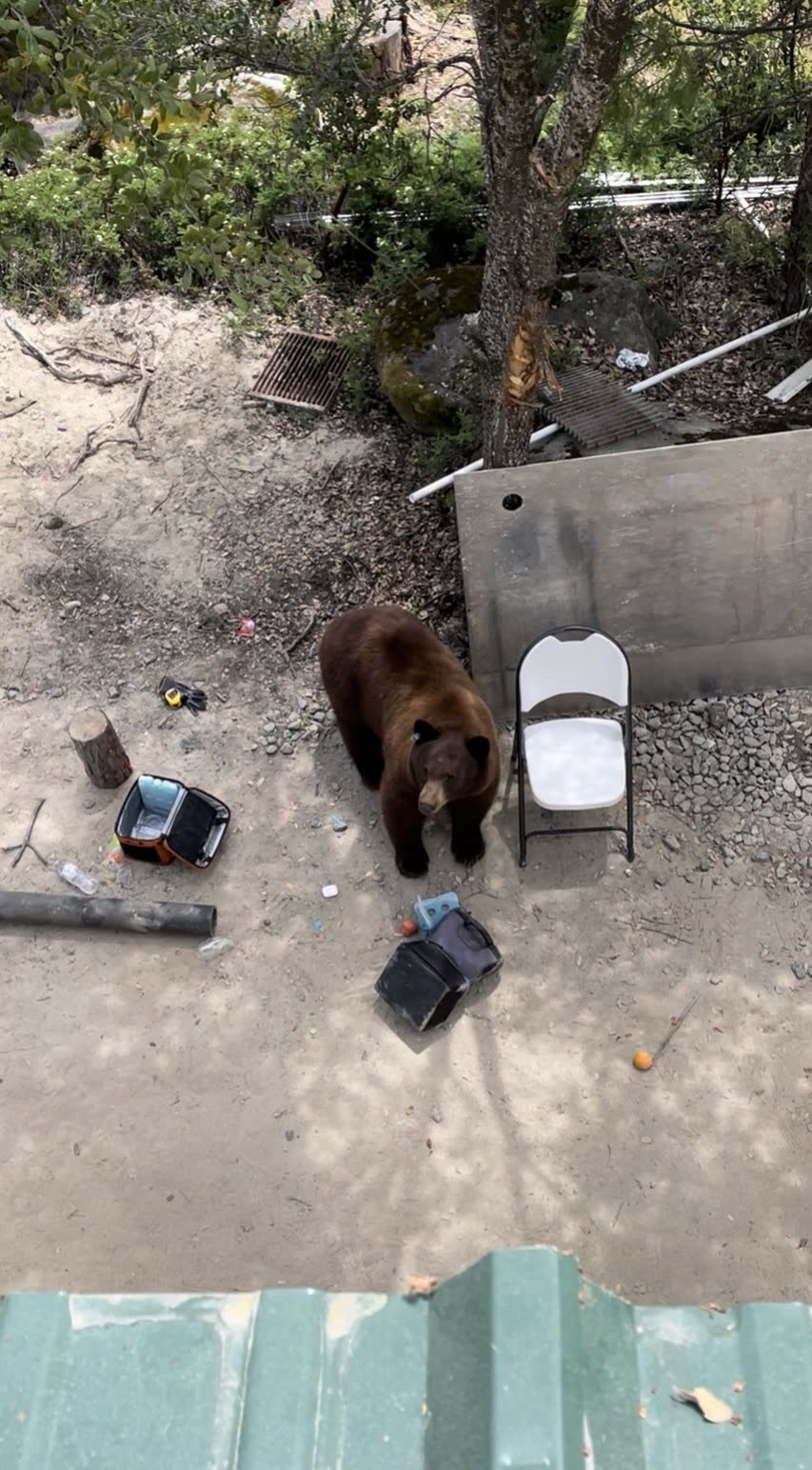
A black bear and her cubs beside a crew’s lunch boxes during an antenna install
Not every story is about an alarm. One crew’s lunch guest during an antenna install, photographed from the roof at a safe distance.

See it running on your system

A demo uses your sites, your alarms, and your reporting needs. Most utilities go from that first conversation to live monitoring in under two weeks.