- Solutions
- Water Systems
Water Systems MonitoringReal-Time SCADA for Tanks, Wells, and Distribution
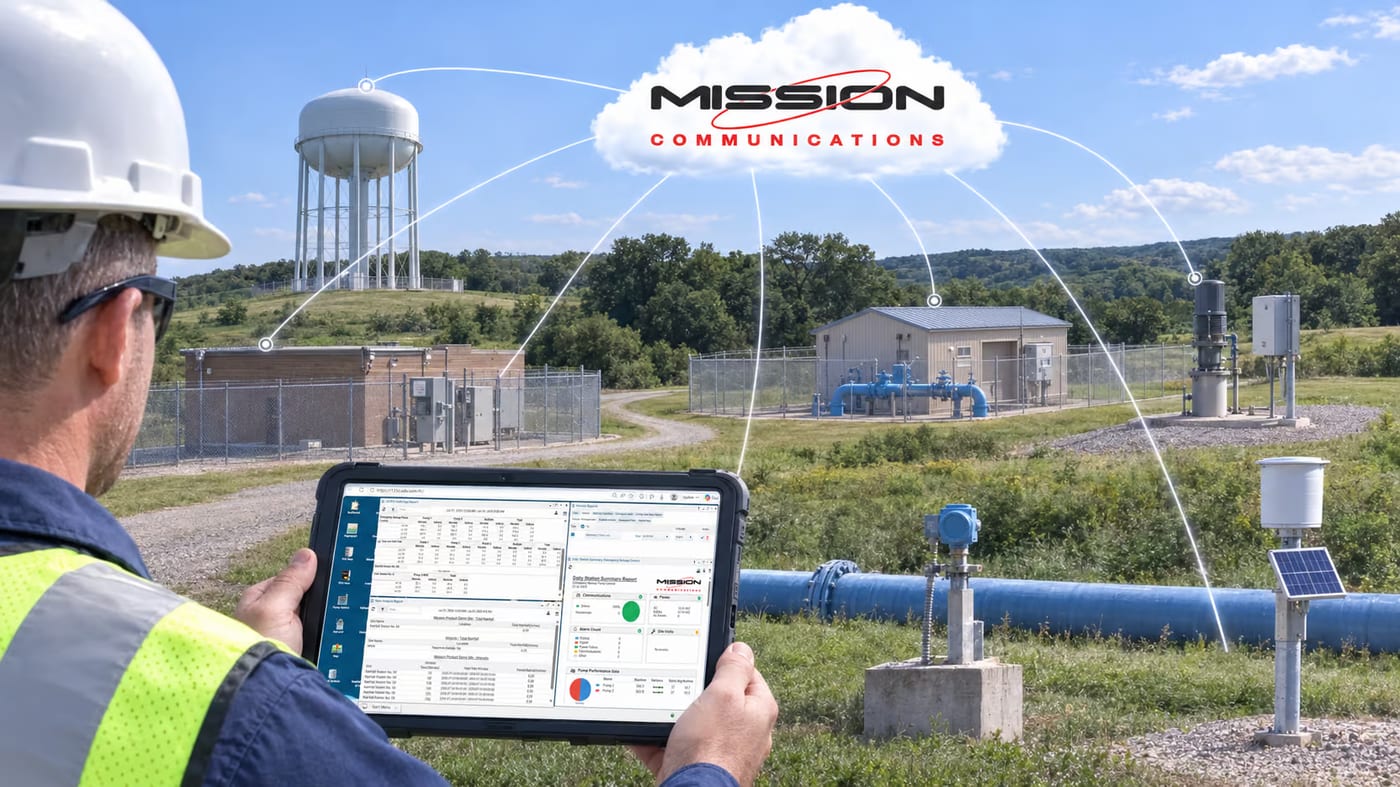
Water utilities need real-time visibility from the wellhead to the tap.
Smarter Ways to Monitor Your Water System
Tanks & Wells
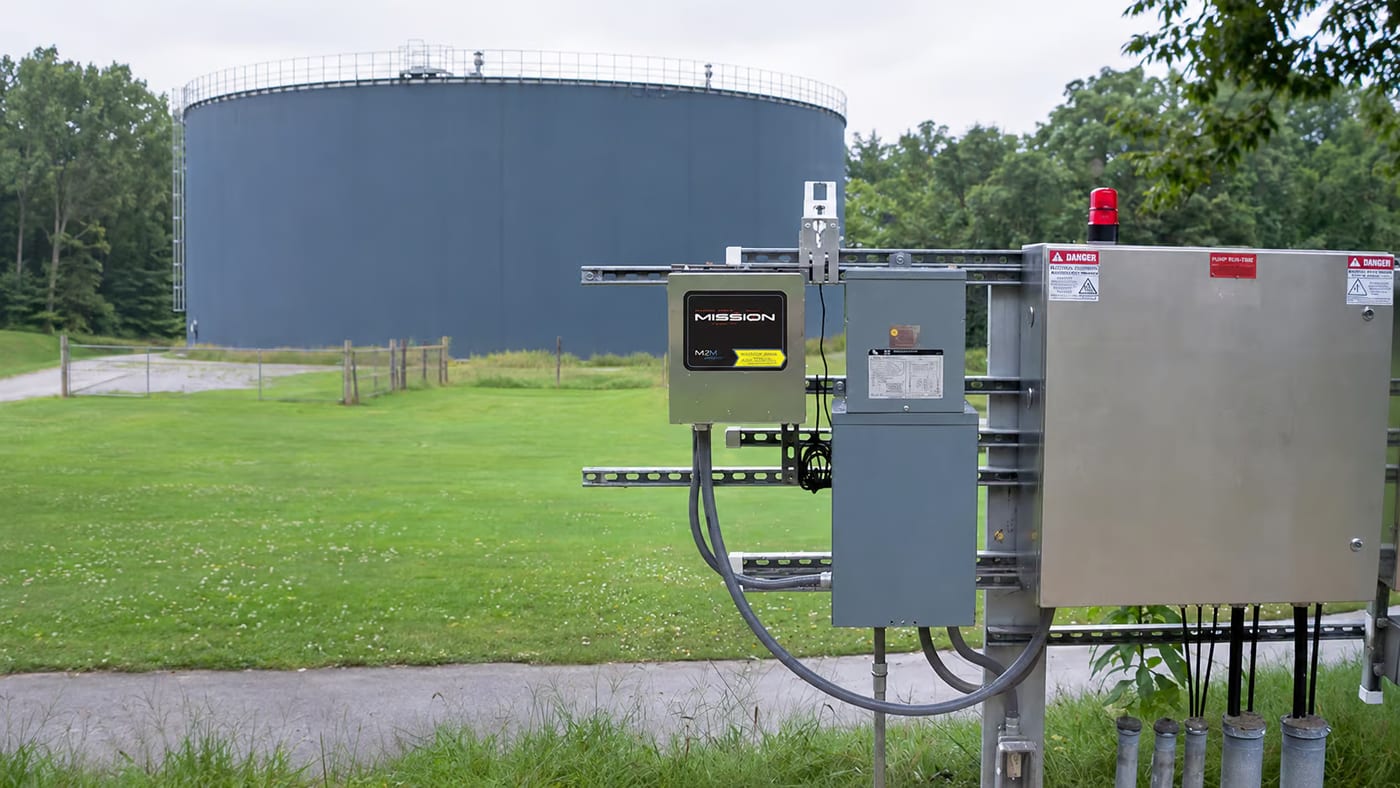
Automated tank level control: the well pump starts when the tank drops and stops when it fills. No operator intervention.
Explore Tanks & Wells
Distribution Pressure
Zone pressures, PRVs, bulk meters, and minimum night flow. Catch main breaks in minutes and prove pressure compliance.
Explore Distribution Pressure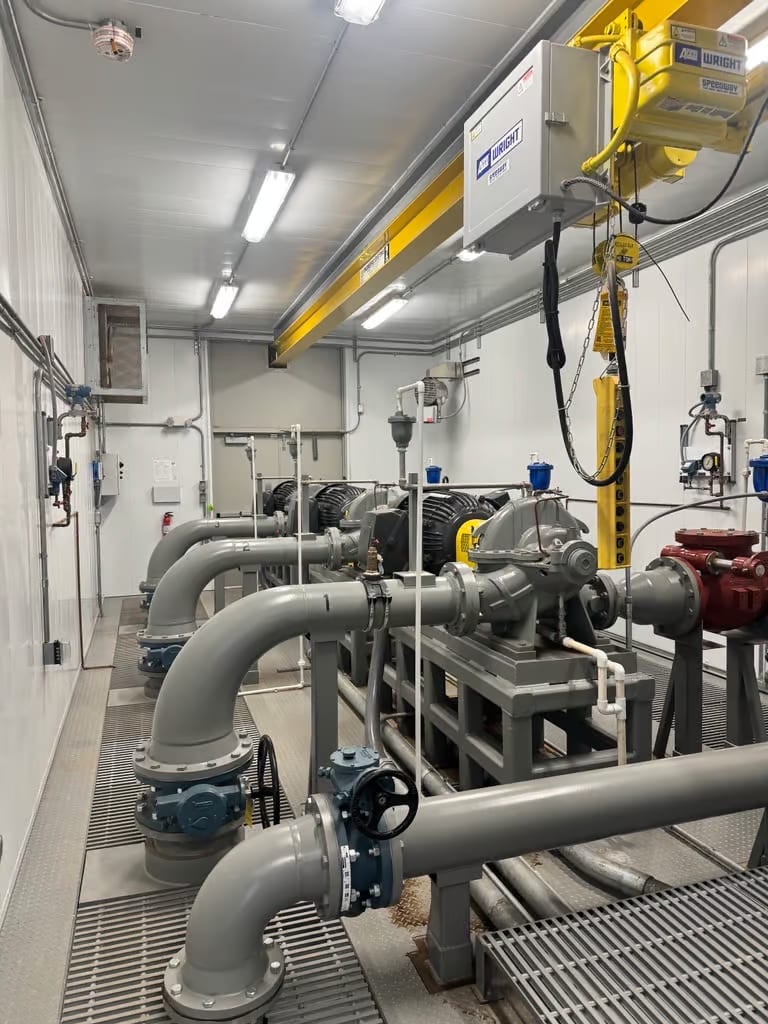
Booster / Pump Stations
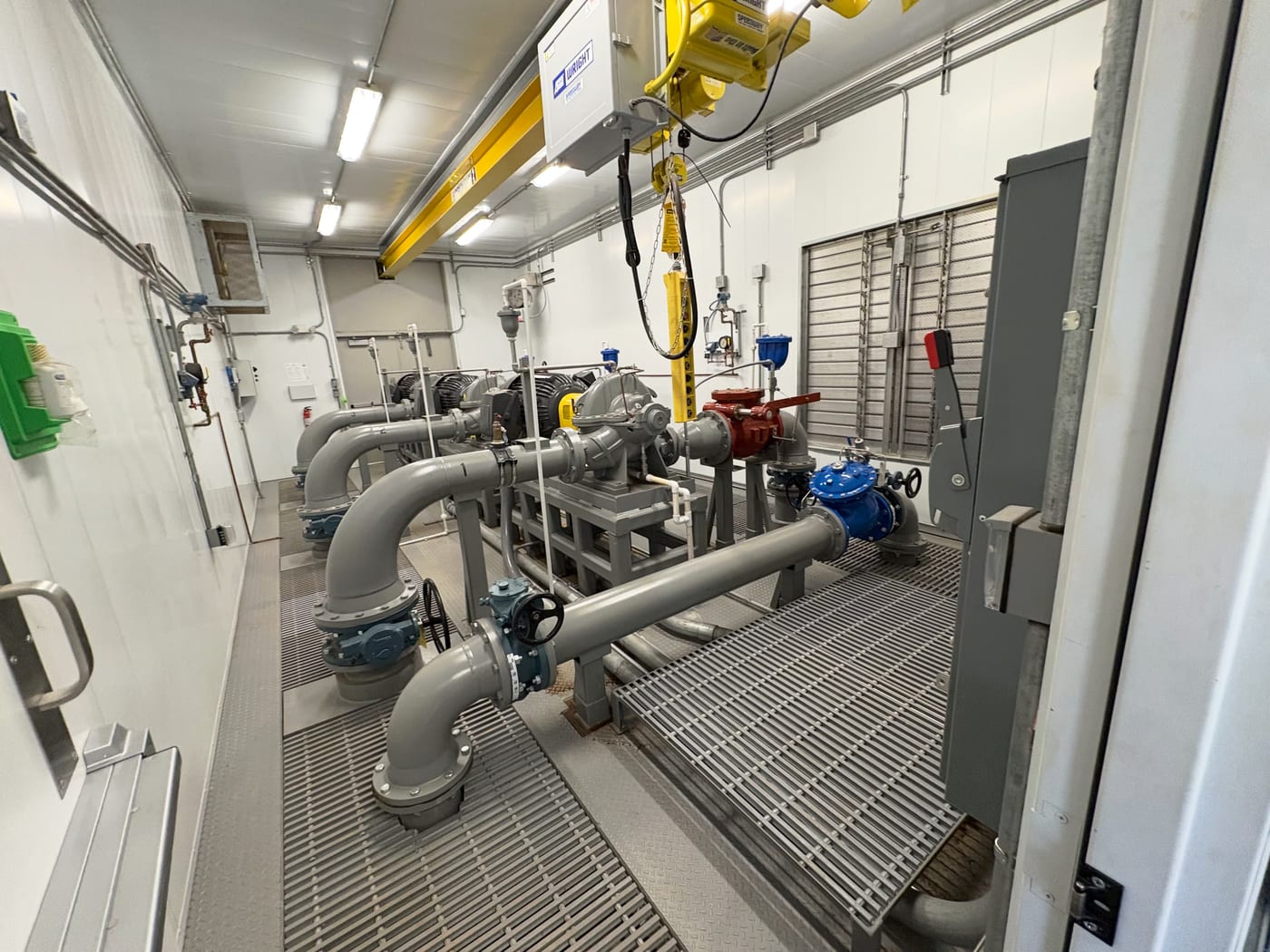
Suction and discharge pressure, pump status and runtime, power, and PRVs at every unmanned booster.
Explore Booster / Pump StationsComplete Visibility Across Your Water System
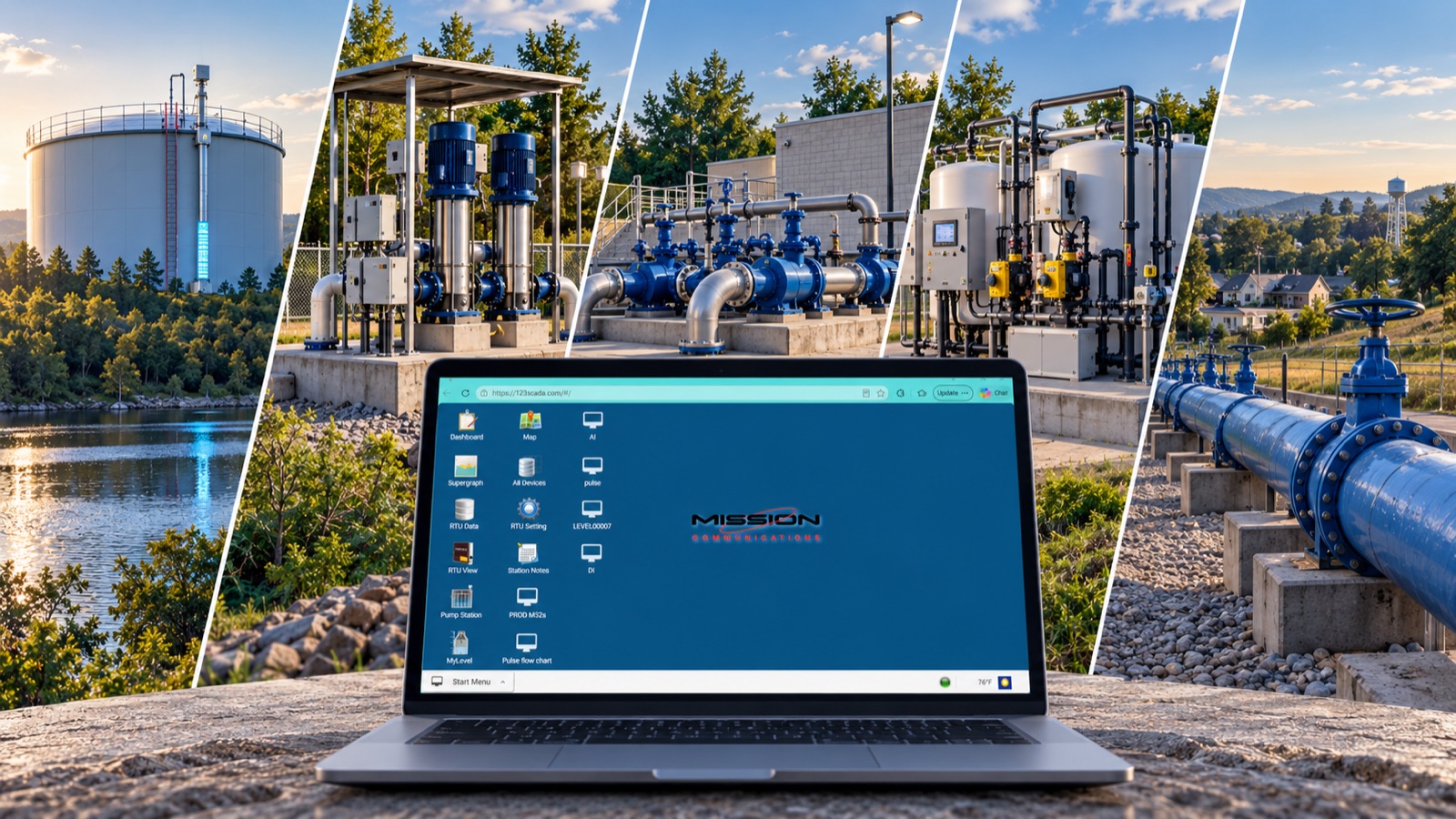
Water utilities need real-time visibility from the wellhead to the tap. Mission’s managed SCADA monitors tank levels, well pumps, booster pressures, chlorine residuals, and distribution flows from one cloud platform. 25+ years serving water utilities, built around what actually matters in the field: preventing overflows, holding pressure, hitting SDWA compliance, keeping aging infrastructure online without adding staff.
Tank Monitoring and Automated Control
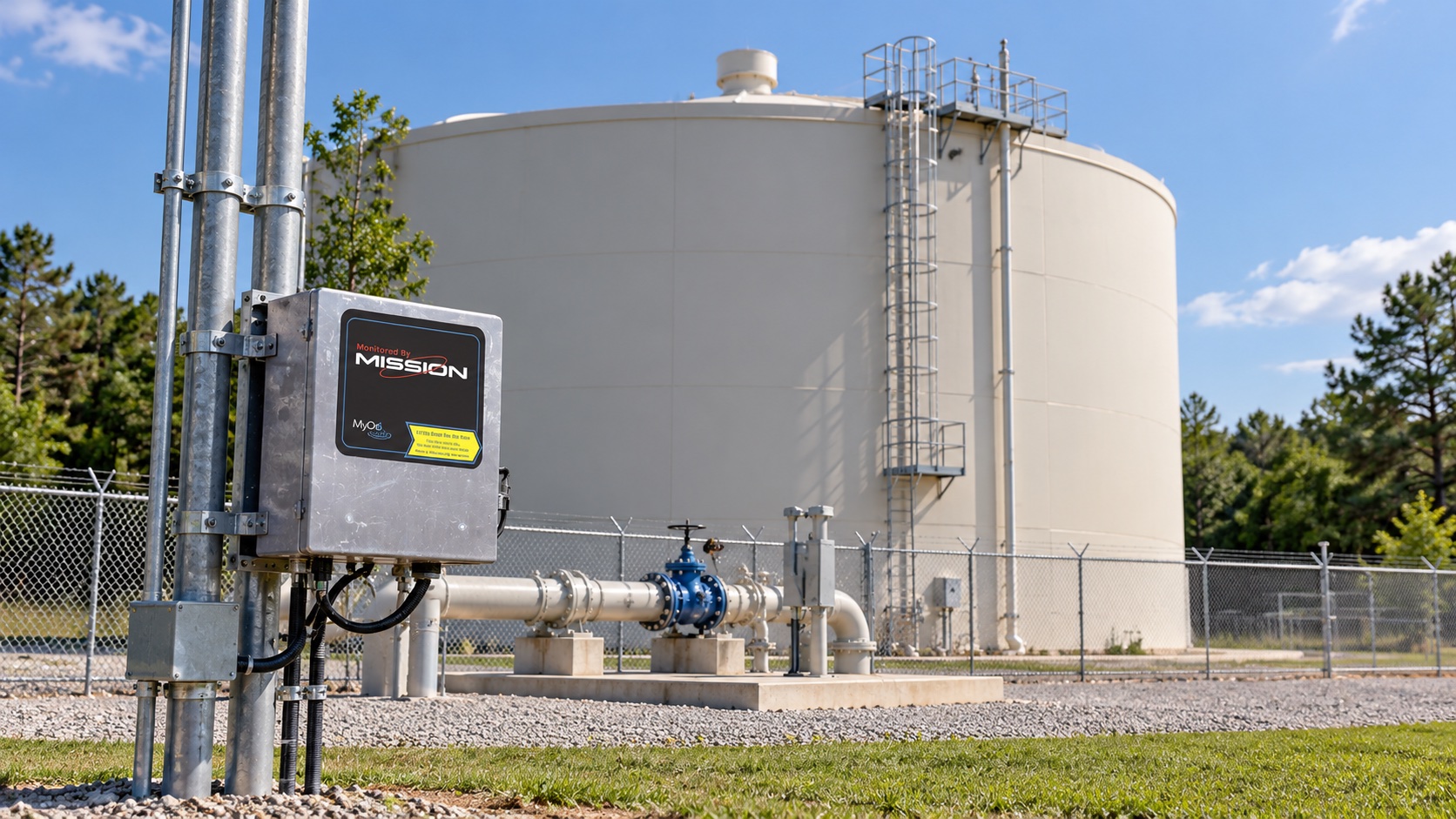
Mission’s Tank and Well system automates tank level management. A pressure transducer at the tank feeds a MyDro RTU. When the level drops below threshold, the system starts the well pump or booster automatically. When it refills, the pump stops. No operator intervention.
Supports up to 5 remote pumps per tank, virtual pump alternation for even runtime distribution, off-peak fill scheduling to cut electricity costs, and call-to-run/fail-to-run alarms when a pump doesn’t respond.
- Up to 5 Pumps
- Pump Alternation
- Off-Peak Fill Scheduling
Well Monitoring and Control
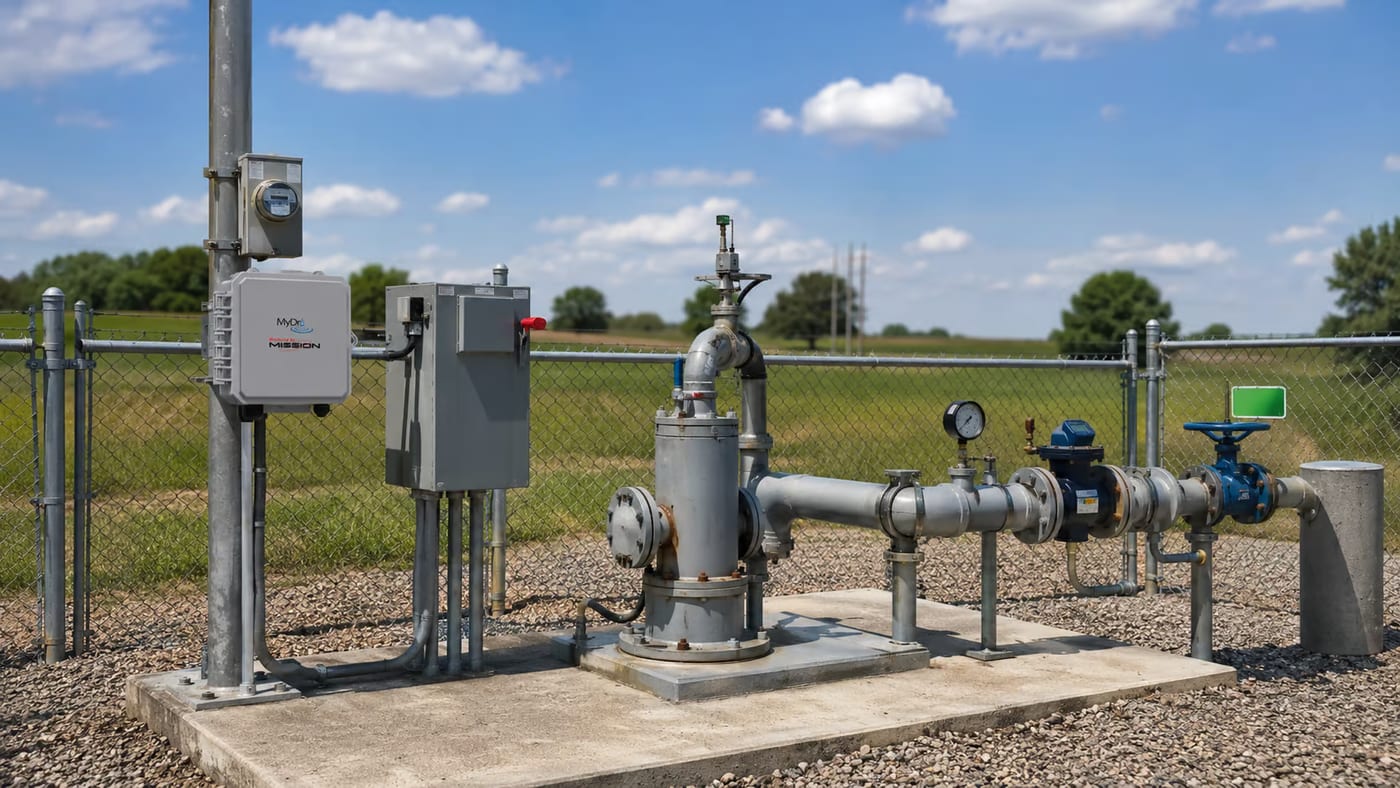
Wells are remote and rarely visited — ideal monitoring candidates. Mission tracks pump running status, power, pressure, flow, and chlorine residual at the wellhead. Remote pump start/stop based on tank thresholds eliminates field trips. Runtime and start tracking flags early bearing wear, sand infiltration, or declining aquifer levels. Chlorine residual monitoring supports SDWA compliance and simplifies reporting.
Booster Station and Distribution Monitoring
Boosters hold pressure across distribution zones — especially in systems with elevation changes or long mains. Mission monitors suction and discharge pressure, pump status, flow, and power at each station. PRV stations get the same coverage. Pressure drop alerts surface main breaks fast. Historical pressure and flow data supports hydraulic modeling and loss reduction.
Compliance and Reporting for Water Systems
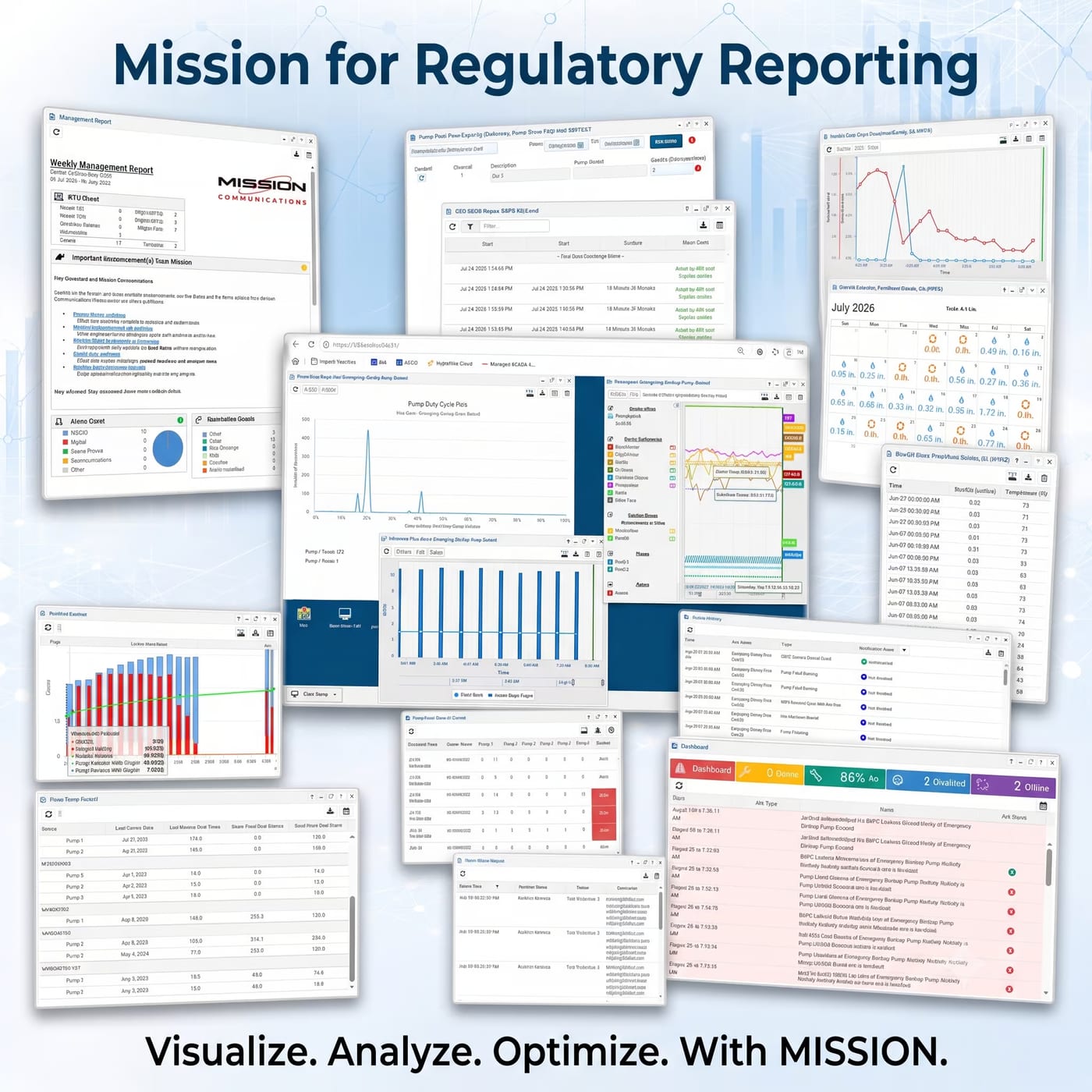
Built-in compliance reporting for chlorine residuals, pressure, flow volumes, and pump operations. SDWA reporting, consumer confidence report data, and capacity assessments via downloadable reports or scheduled email summaries. All data retained from RTU install date. Export to spreadsheet, CSV, or feed plant SCADA via OPC-UA.
- SDWA Compliance
- Chlorine Tracking
- Capacity Assessments
- Flow Analysis
What You Will Need
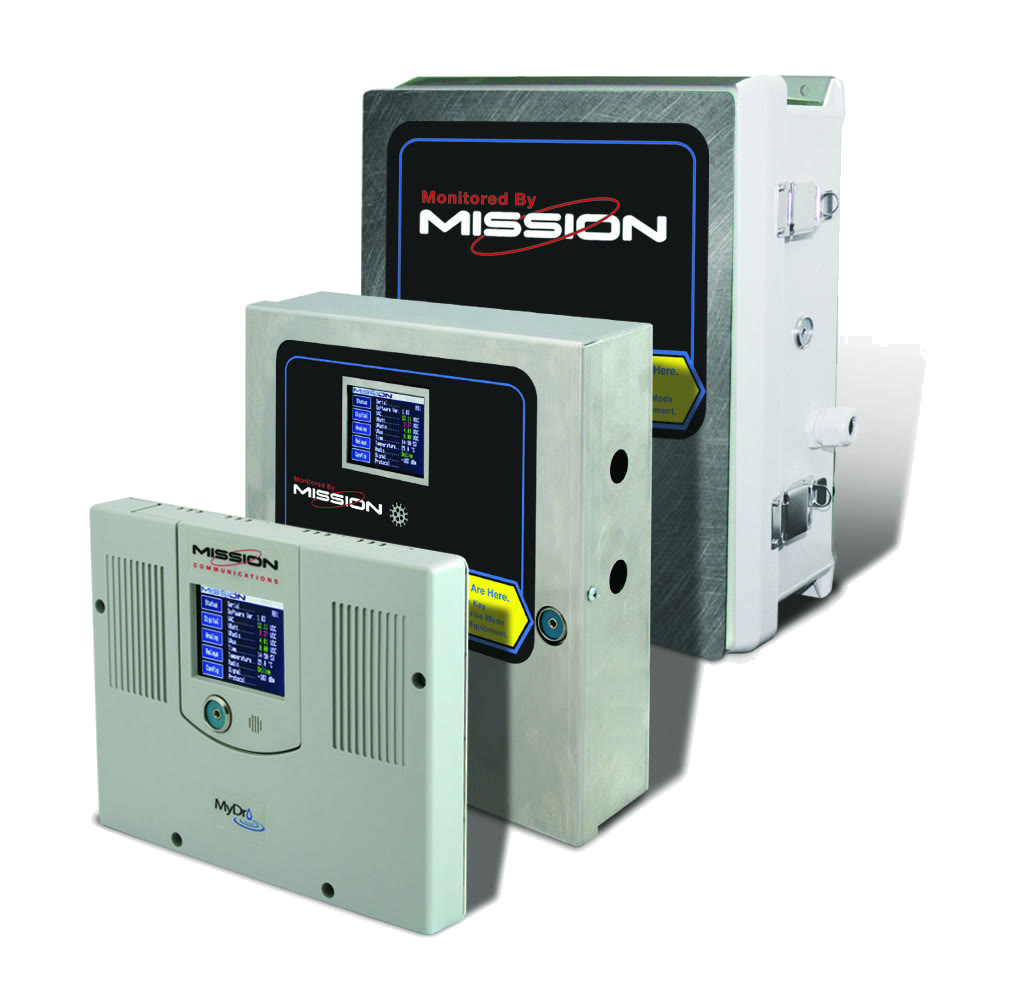
Line-powered RTUs for tanks and boosters, battery RTUs for remote wells and pressure points. All RTUs include cellular data charges in the annual subscription—there are no separate data overage fees or early termination penalties.
MyDro 850
The full-featured, line-powered RTU with the most extensive I/O capacity. Ideal for larger stations requiring multiple analog and digital inputs, relay outputs for remote control, and expansion module support.
View MyDro 850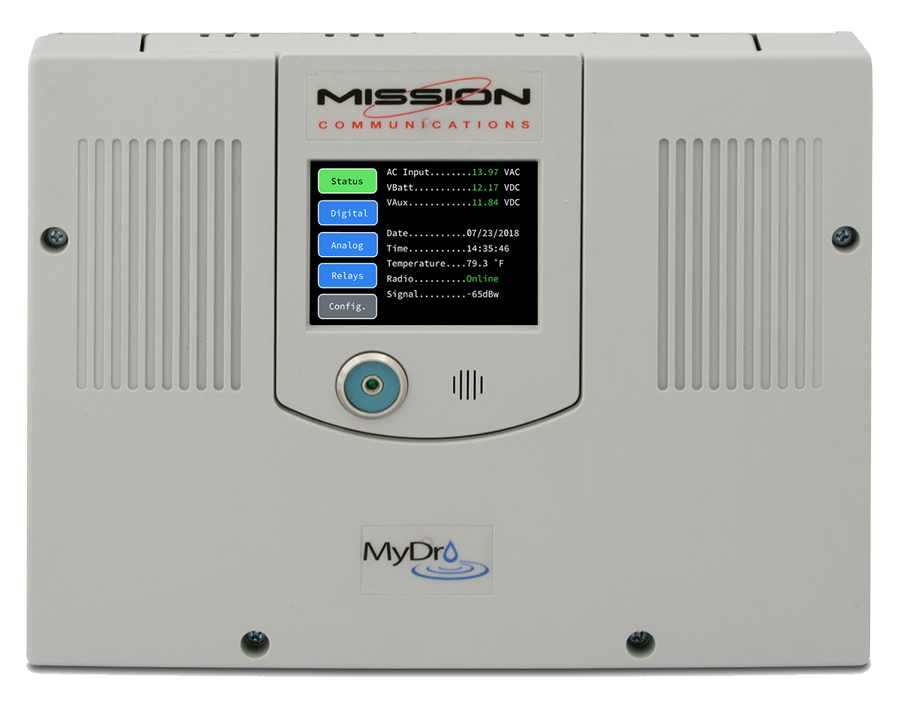
MyDro 150
A compact, line-powered RTU that delivers core monitoring and alarm capabilities in a smaller form factor. Supports emergency backup pump control and is upgradeable to the M850’s feature set.
View MyDro 150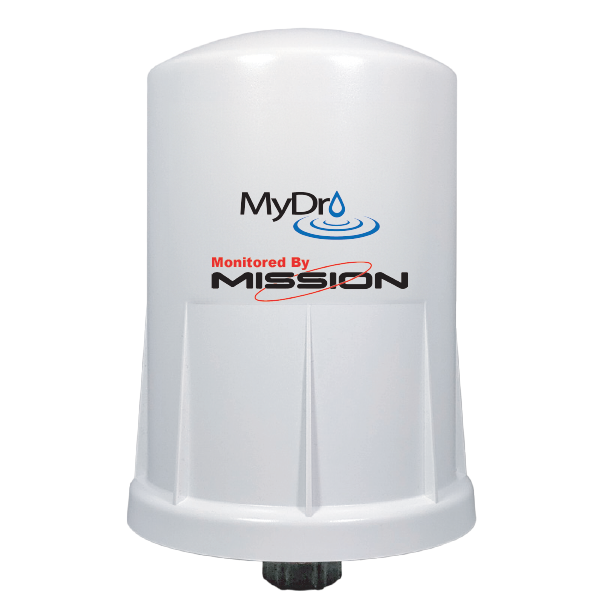
MyDro 50
A battery-powered RTU for small stations without reliable power, using solar charging and ultra-low-power cellular communication for years of maintenance-free operation.
View MyDro 50Tanks & Wells
Automated tank level control: the well pump starts when the tank drops and stops when it fills. No operator intervention.
Explore Tanks & WellsDistribution Pressure
Zone pressures, PRVs, bulk meters, and minimum night flow. Catch main breaks in minutes and prove pressure compliance.
Explore Distribution PressureBooster / Pump Stations
Suction and discharge pressure, pump status and runtime, power, and PRVs at every unmanned booster.
Explore Booster / Pump StationsFrequently Asked Questions
How do water SCADA systems detect leaks in pipelines?
Water SCADA systems help detect leaks by monitoring pressure, flow, and network conditions in real time. Unexpected drops in pressure or unusual flow patterns can signal that water is escaping somewhere in the system, allowing operators to investigate sooner.
What data can be monitored in a water system network?
A water system network can monitor pressure, flow, tank levels, pump status, valve position, and water quality data. That gives operators a clearer view of how the system is performing across the network and where problems may be developing.
How does SCADA improve water pressure management?
SCADA improves pressure management by tracking pressure conditions continuously and alerting operators when readings move out of range. With better visibility into system behavior. Teams can respond faster to issues that affect service reliability and infrastructure performance.
Get Started with Water System Monitoring
Whether you operate five wells or 500 tank sites, Mission’s managed SCADA scales to meet your monitoring needs with predictable, subscription-based pricing. Get a customized assessment of your water system, request a demo by clicking below. Prefer to talk? Call 877.993.1911.