- Industries
- Rural Water
Managed SCADA for Rural Water Districts and Associations
The territory is larger. The staff is smaller. The sites are further apart. The budgets are tighter.
Monitoring Built for the Way Rural Water Actually Operates
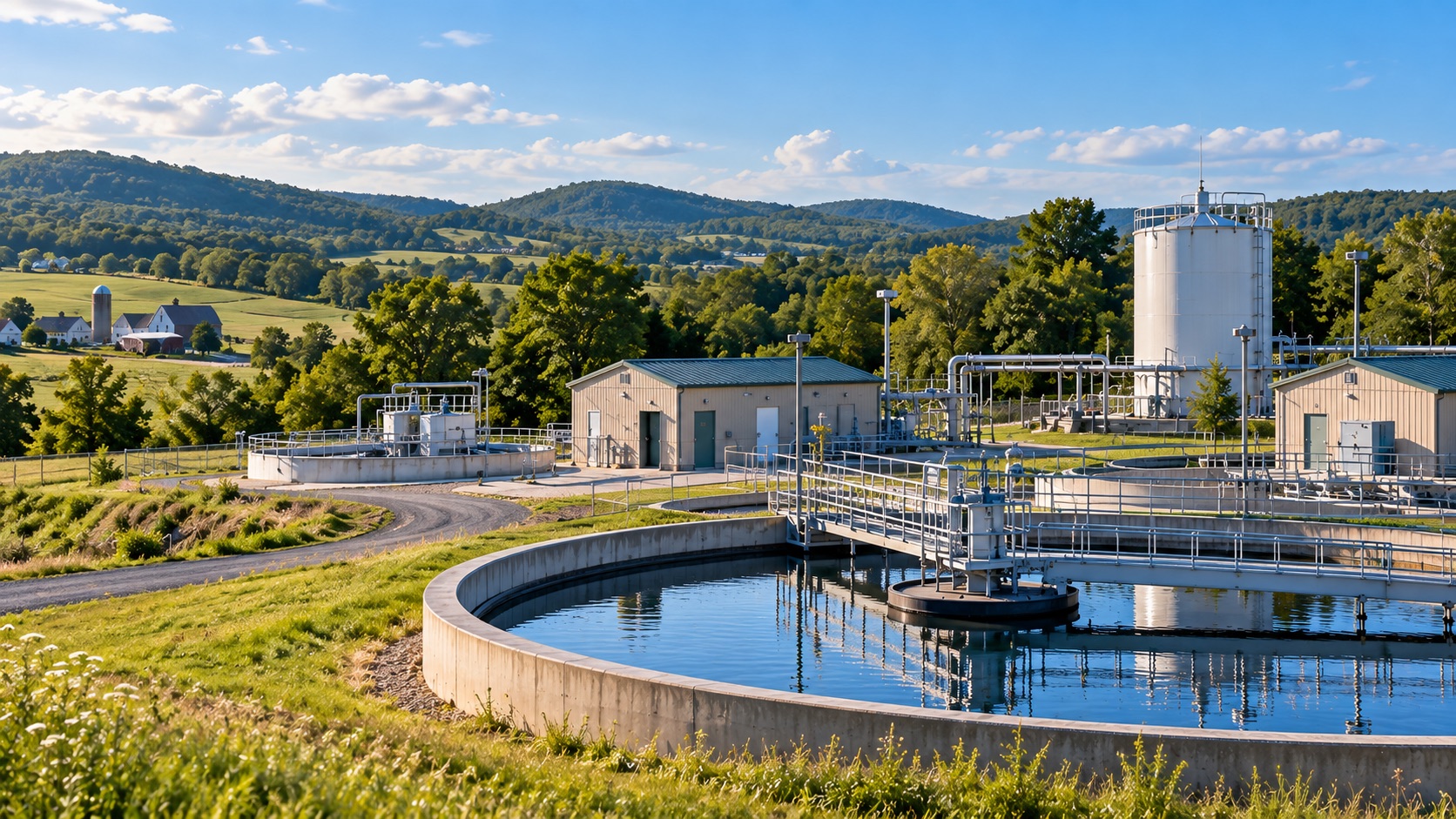
Rural water districts are nothing like big-city utilities. The territory is larger. The staff is smaller. The sites are further apart. The budgets are tighter. And the technology most SCADA vendors try to sell — radio networks, on-premise servers, integrator contracts — is wildly out of scale with the operation.
Mission Communications has served rural water districts and associations for more than two decades. The platform was built cellular-first, which means it works in the places rural water actually operates: unmanned well houses, remote tanks, booster stations miles from the office, and long transmission mains stretching across county lines.
Cellular, Because Radio Doesn’t Work Out Here
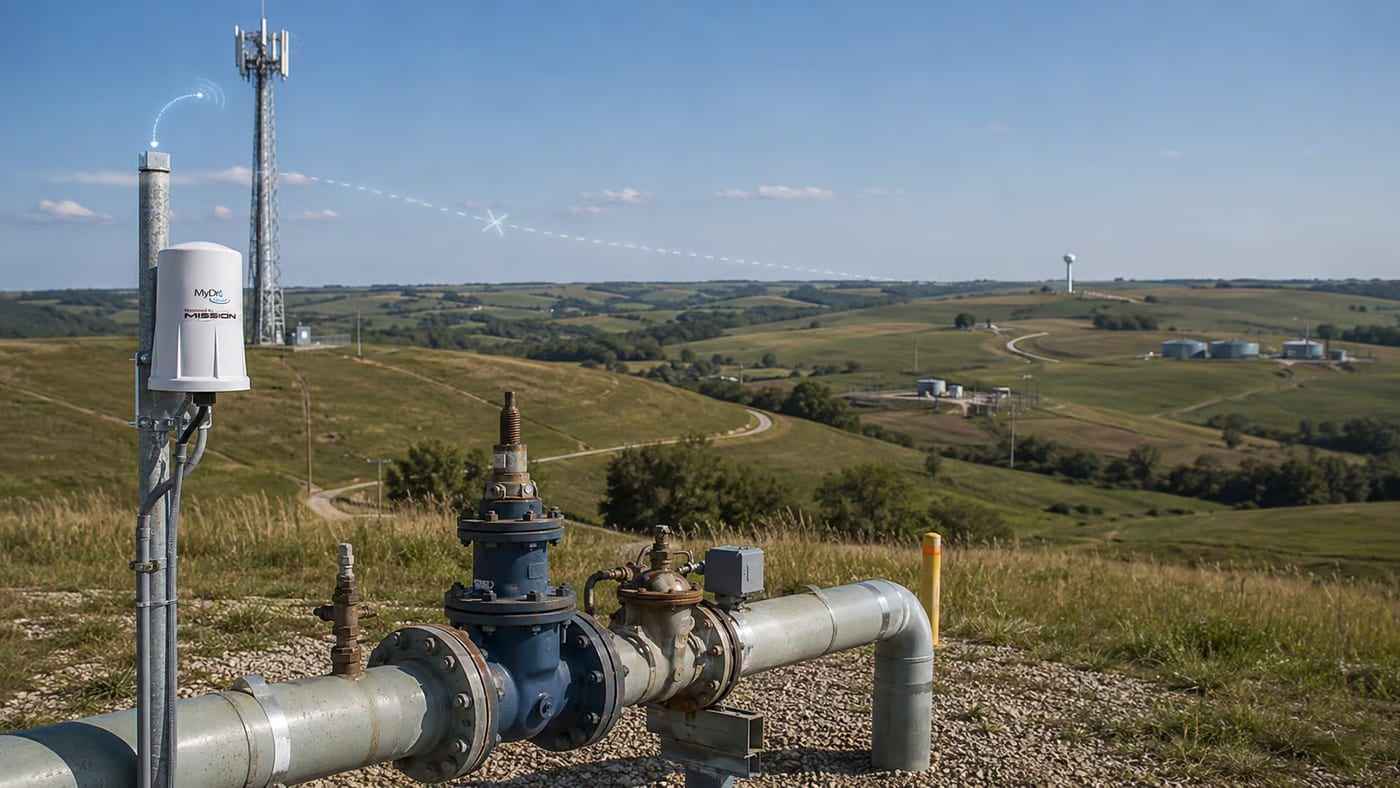
Private radio SCADA assumes line of sight between sites and a central base station. Across 50 miles of rolling terrain, that assumption falls apart. Mission skips the problem entirely. Every RTU uses the same cellular networks the operations crew already has on their phones.
Dual-carrier hardware is available for districts where a single cellular network doesn’t cover every site. Cellular data is included in the subscription — there are no per-site data contracts to manage or surprise bills to explain to the board.
Hardware for Sites Without Power
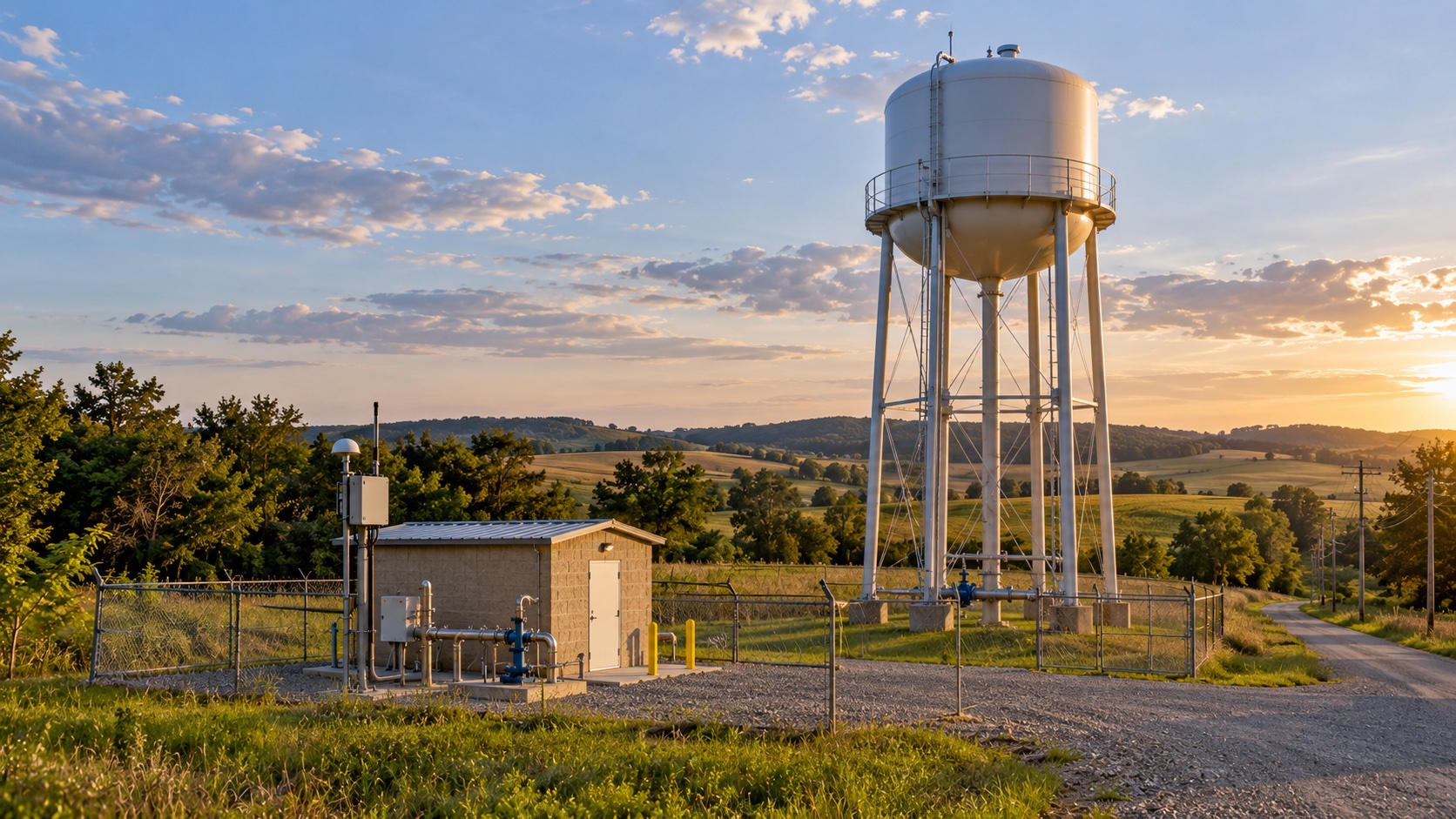
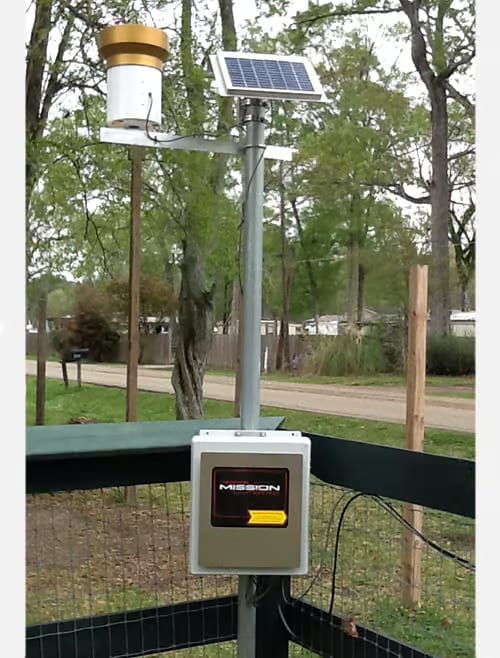
Rural districts constantly need to monitor sites that have no mains power — a remote tank, a pressure point on a transmission main, a meter pit. Running power to those sites is often impractical or prohibitively expensive.
Mission’s MyDro 50 RTU is purpose-built for off-grid sites. Solar-charged, ultra-low-power cellular, and designed to operate for years without a site visit. For sites with power, the MyDro 150 and MyDro 850 deliver full monitoring and control.
Long Line Runs and Non-Revenue Water
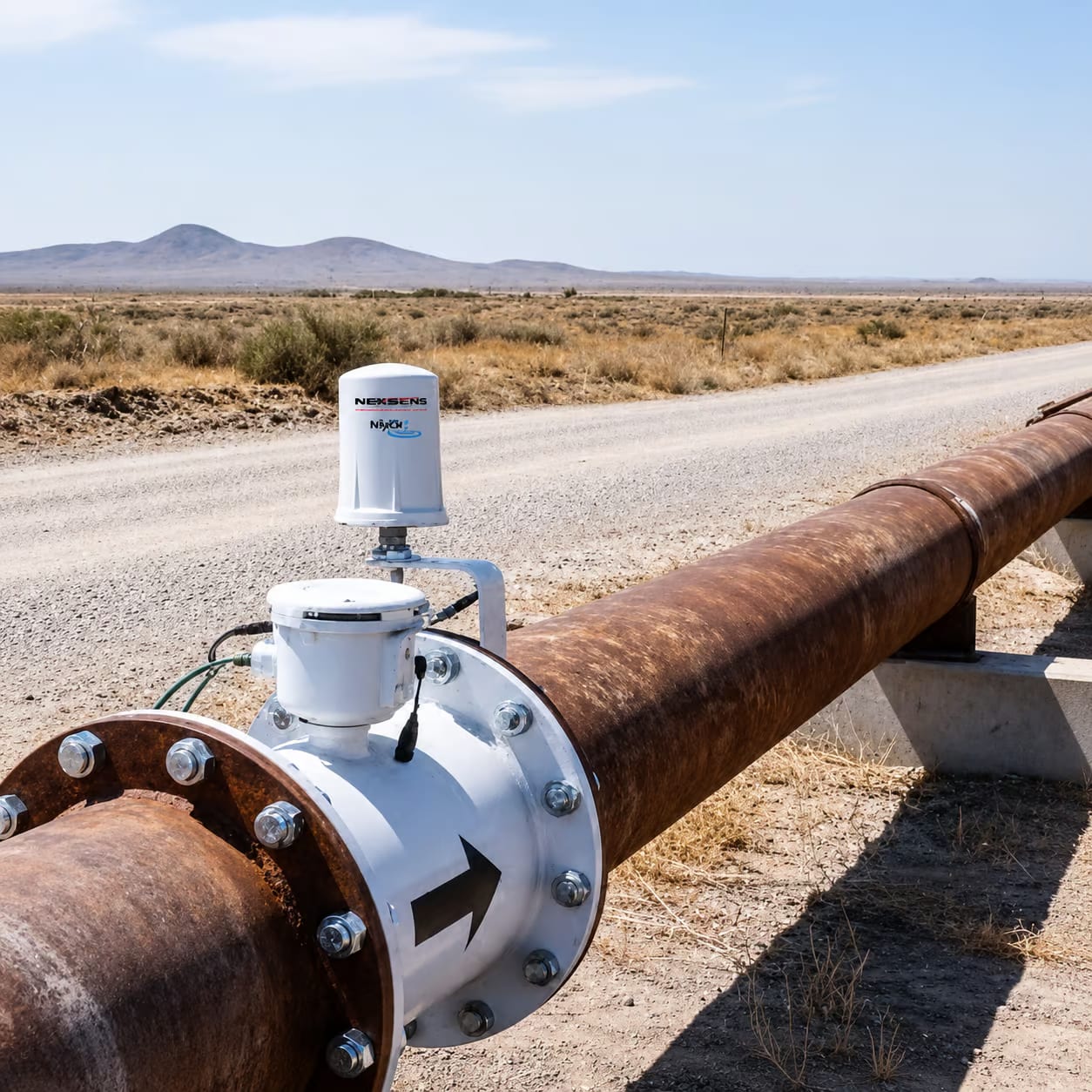
Rural systems routinely run miles of transmission main between the source and storage. A leak on one of those mains can waste enormous volumes of treated water — and because every gallon is billed, every lost gallon is lost revenue for the district.
Mission’s pressure and flow monitoring turns long transmission mains into instrumented assets. Pressure drops trigger immediate alarms. Minimum night flow reports expose chronic losses. Historical trending builds the documentation rural districts need for USDA funding applications and rate case defenses.
Lean Staffing, Lean Operations
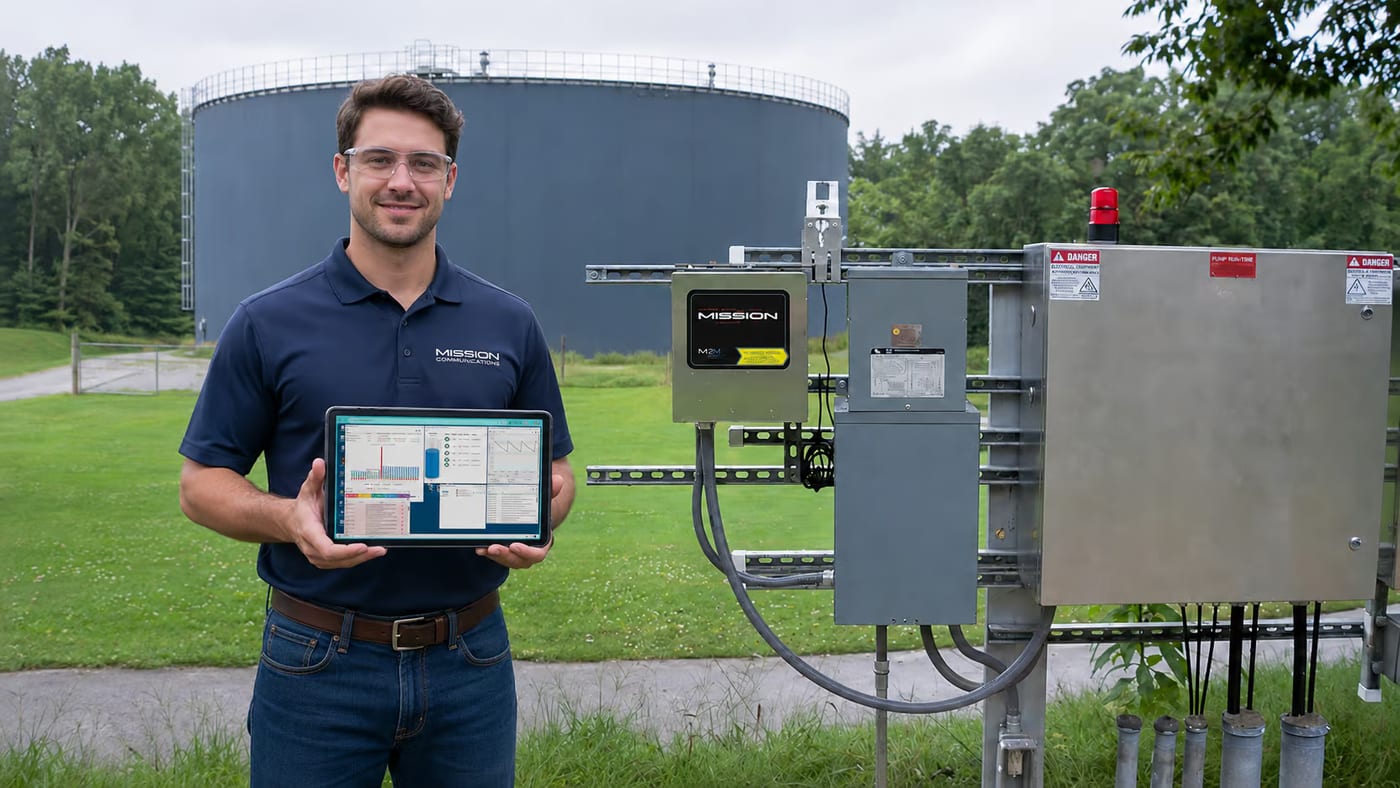
A typical rural water district runs on a handful of full-time staff. There is no SCADA integrator. Mission’s managed model is designed specifically for this reality: no software to install, no servers to maintain, no patches to apply, and no cybersecurity audits to survive. The district pays a single annual fee. Mission handles the rest.
When the on-call operator gets an alarm at 2 a.m., he or she can acknowledge it from a phone, look at the tank level trend, and decide whether to drive out — all without opening a laptop or calling a consultant.
USDA and Rural Funding Support
Rural water infrastructure projects are frequently funded through USDA Rural Development, state revolving funds, and rural water association grant programs. Mission’s team works regularly with engineering firms and funding administrators on these projects, and the platform’s documentation capabilities support both the application and reporting sides of the funding process.
Pricing is transparent and fits cleanly into funding applications, and the annual-subscription model avoids the large capital outlays that can complicate loan structures.

Proven with Rural Water Associations Nationwide
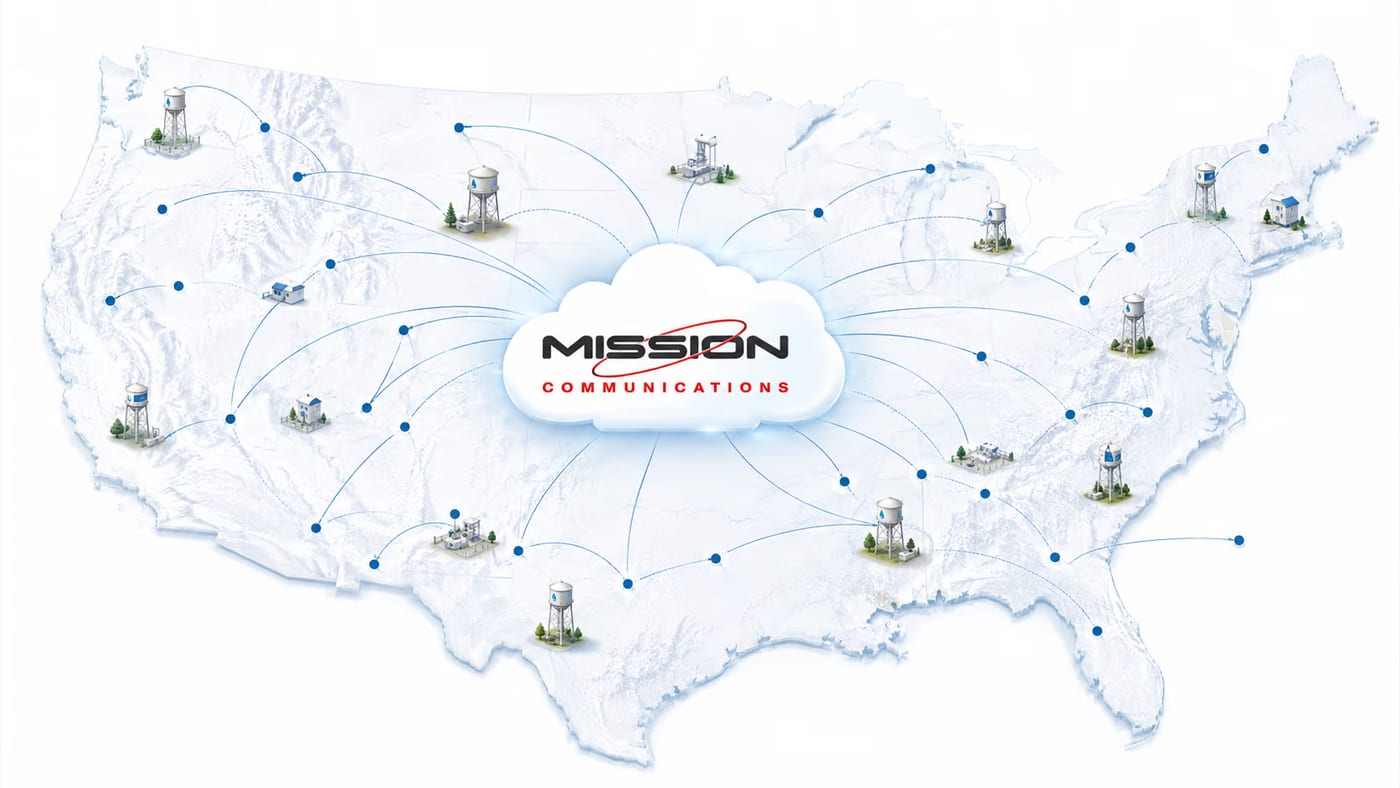
Rural water districts have been one of Mission’s largest customer segments since day one. The platform’s cellular-first design, the MyDro 50’s off-grid capability, and the managed-service model all grew out of listening to what rural operators actually needed.
That experience shows up in small but meaningful ways: plain-language documentation, phone support from engineers who understand rural operations, and a pricing model that does not punish districts for having sites scattered across a county.
What You Will Need
The MyDro 50 for sites without power; the MyDro 150 and MyDro 850 for wells, boosters, and stations with a panel. All RTUs include cellular data charges in the annual subscription—there are no separate data overage fees or early termination penalties.
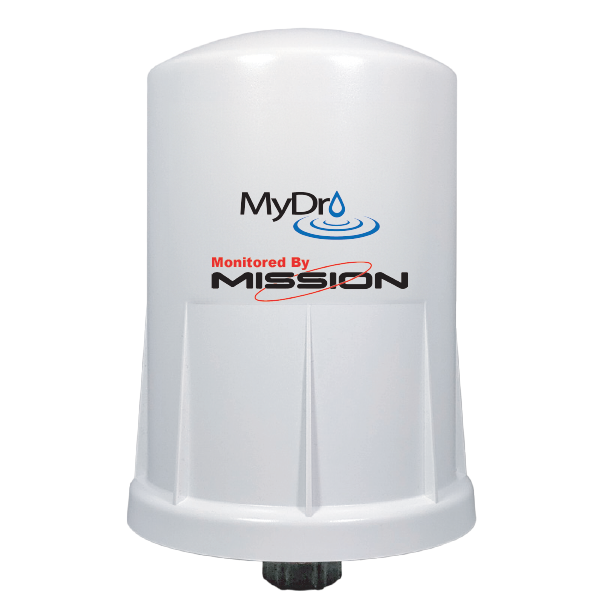
MyDro 50
A battery-powered RTU for small stations without reliable power, using solar charging and ultra-low-power cellular communication for years of maintenance-free operation.
View MyDro 50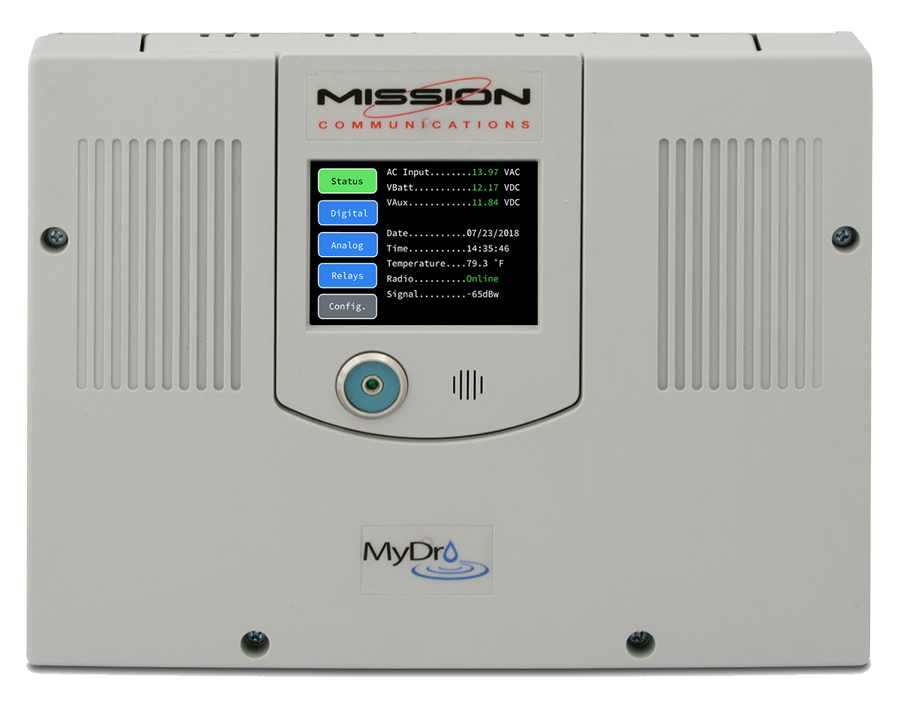
MyDro 150
A compact, line-powered RTU that delivers core monitoring and alarm capabilities in a smaller form factor. Supports emergency backup pump control and is upgradeable to the M850’s feature set.
View MyDro 150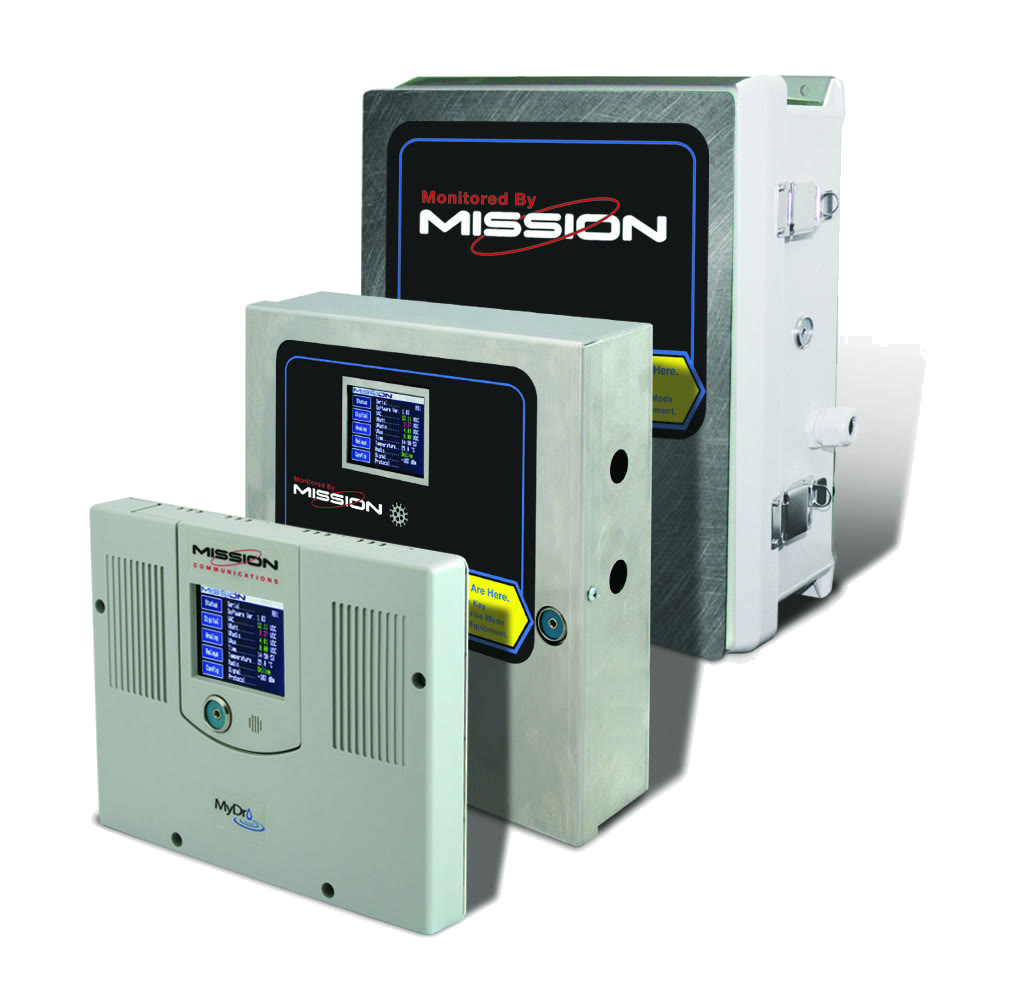
MyDro 850
The full-featured, line-powered RTU with the most extensive I/O capacity. Ideal for larger stations requiring multiple analog and digital inputs, relay outputs for remote control, and expansion module support.
View MyDro 850Solutions Used by Rural Water Districts
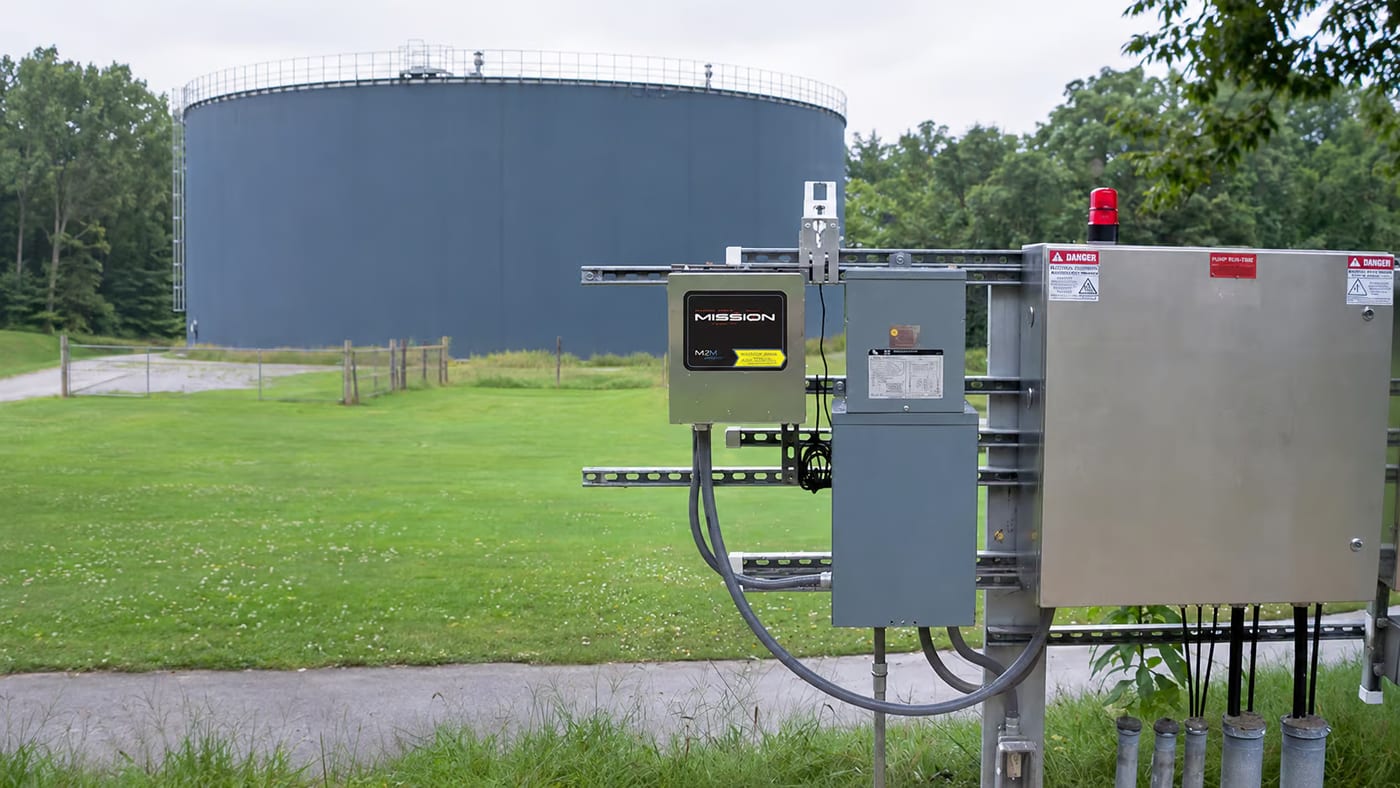
Tanks & Wells
Automated tank level control: the well pump starts when the tank drops and stops when it fills. No operator intervention.
Explore Tanks & Wells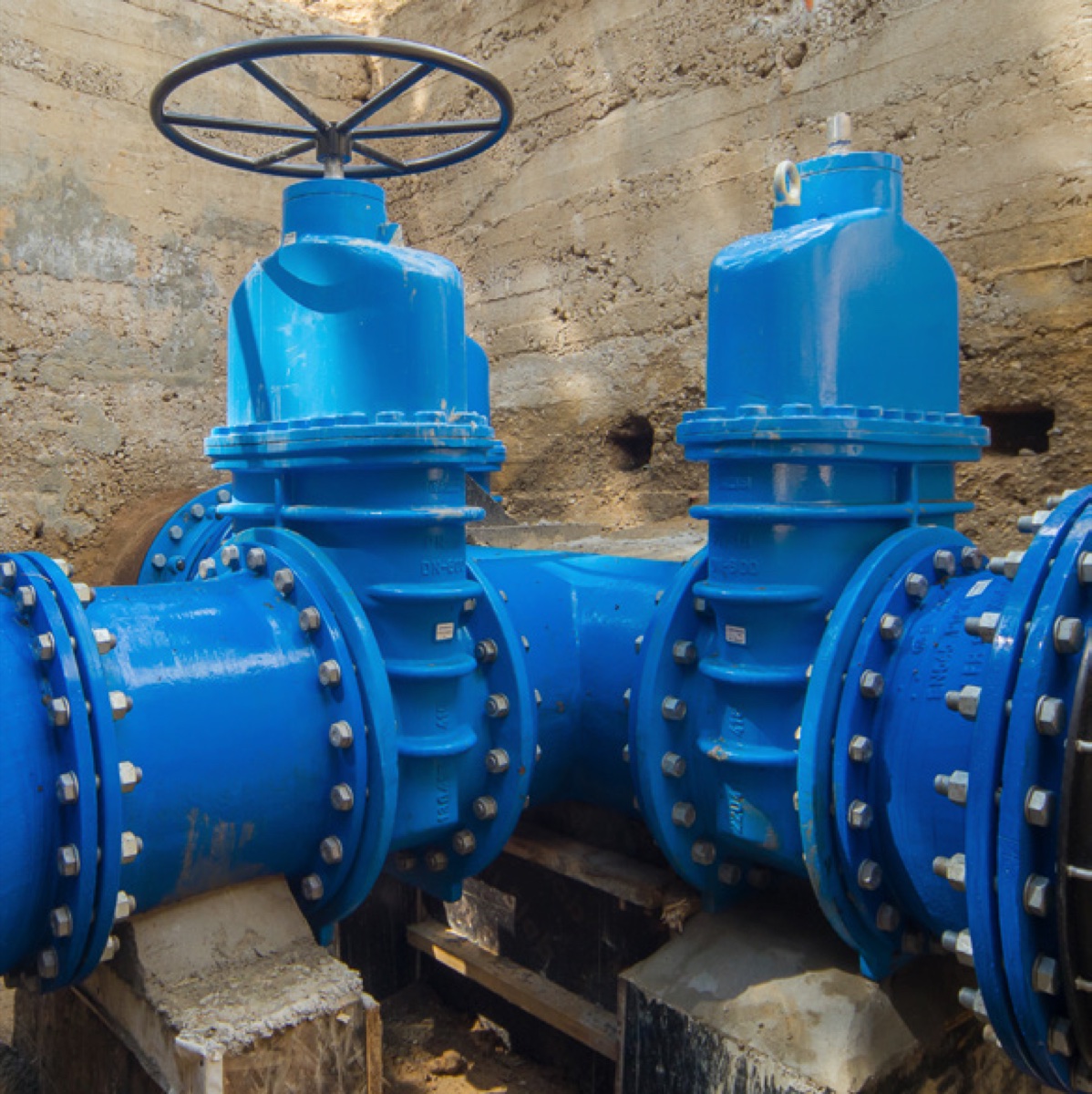
Distribution Pressure
Zone pressures, PRVs, bulk meters, and minimum night flow. Catch main breaks in minutes and prove pressure compliance.
Explore Distribution Pressure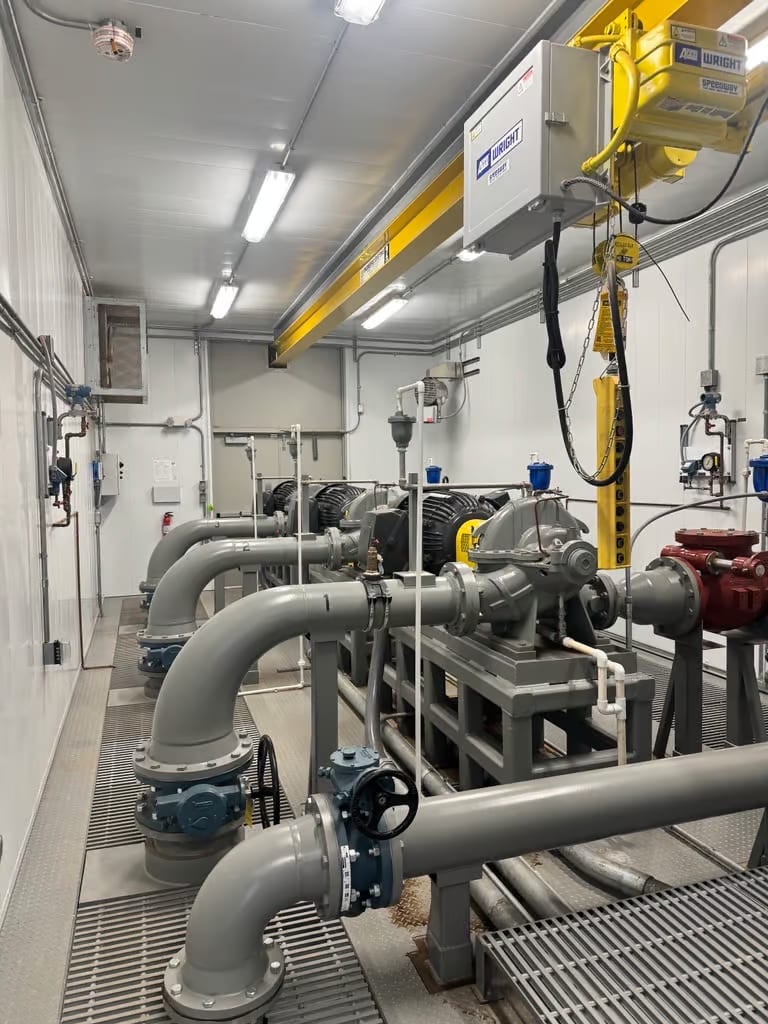
Booster / Pump Stations
Suction and discharge pressure, pump status and runtime, power, and PRVs at every unmanned booster.
Explore Booster / Pump Stations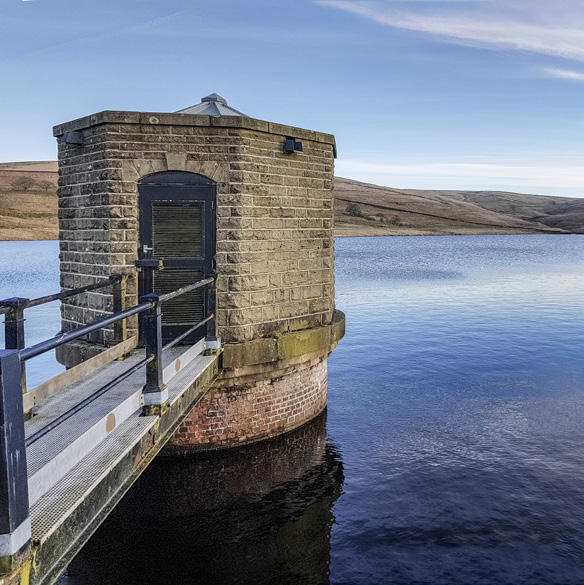
Reservoir & Lake Level
Live level, rate of change, and threshold alarms for reservoirs, lakes, rivers, canals, and detention basins.
Explore Reservoir & Lake Level
Municipal Utilities
Prevent SSOs, document EPA compliance, and forecast the SCADA line item for cities, towns, and municipal authorities.
Explore Municipal Utilities
Private Utilities
PUC-ready reporting, rate-case data, and one predictable number for the CFO to budget.
Explore Private Utilities
Industrial
Pretreatment discharge, SWPPP outfalls, remote tanks, and after-hours alarms that complement the plant DCS.
Explore IndustrialFrequently Asked Questions
Why is remote monitoring especially important for rural utilities?
Remote monitoring is especially important for rural utilities because assets are often spread across large areas and staffing is limited. It helps teams stay informed without relying on constant travel between sites.
How can Mission’s Managed SCADA help with limited staffing in rural systems?
Mission’s Managed SCADA helps limited teams by reducing manual checks and making it easier to focus on sites that need attention. That improves efficiency and helps smaller teams cover more ground.
What types of rural assets benefit most from Mission’s Managed SCADA?
Assets such as tanks, wells, pumps, and other remote infrastructure benefit most because they are harder to supervise in person and often play a critical role in service reliability.
Get Started
Mission’s team can scope a deployment that fits your district — whether you need a single tank monitor or a county-wide network. Call 877.993.1911 or click below to request a demo.