- Solutions
- Wastewater
Wastewater MonitoringManaged SCADA for Lift Stations, Collection Systems, and Compliance
A single undetected failure can lead to sanitary sewer overflows, environmental violations, property damage, and regulatory fines.
Three ways to monitor a collection system
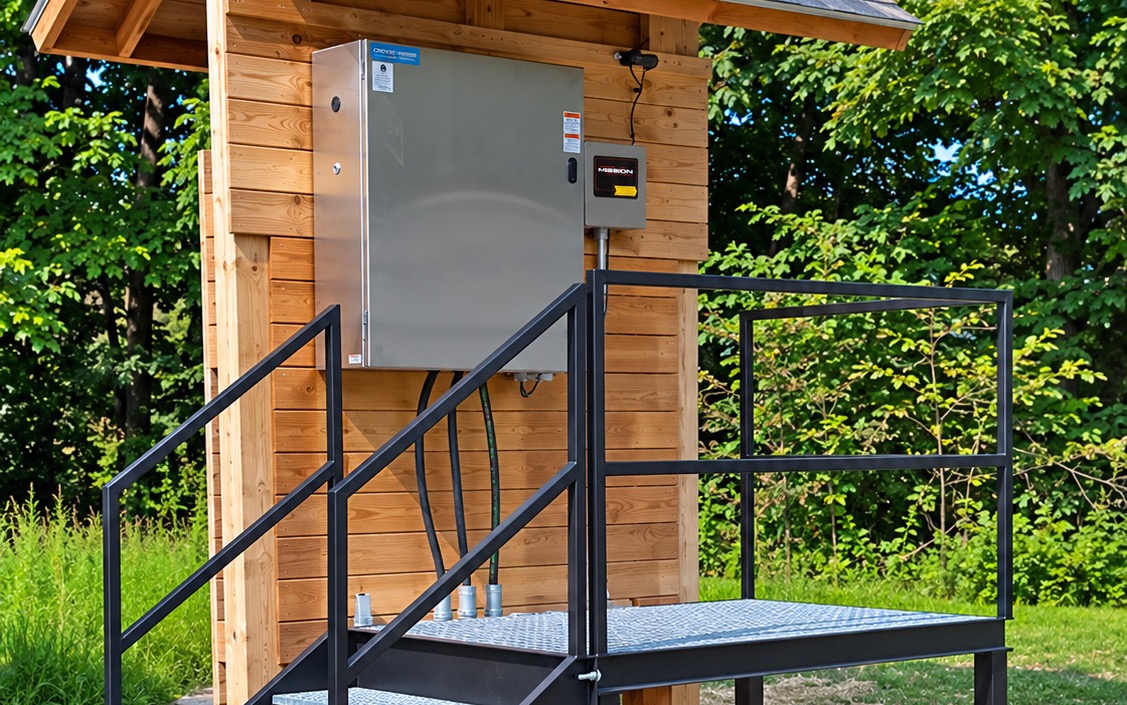
Lift Stations
Wet well levels, pump insights, power, and Emergency Backup Pump Control. Know about problems in minutes, not hours.
Explore Lift Stations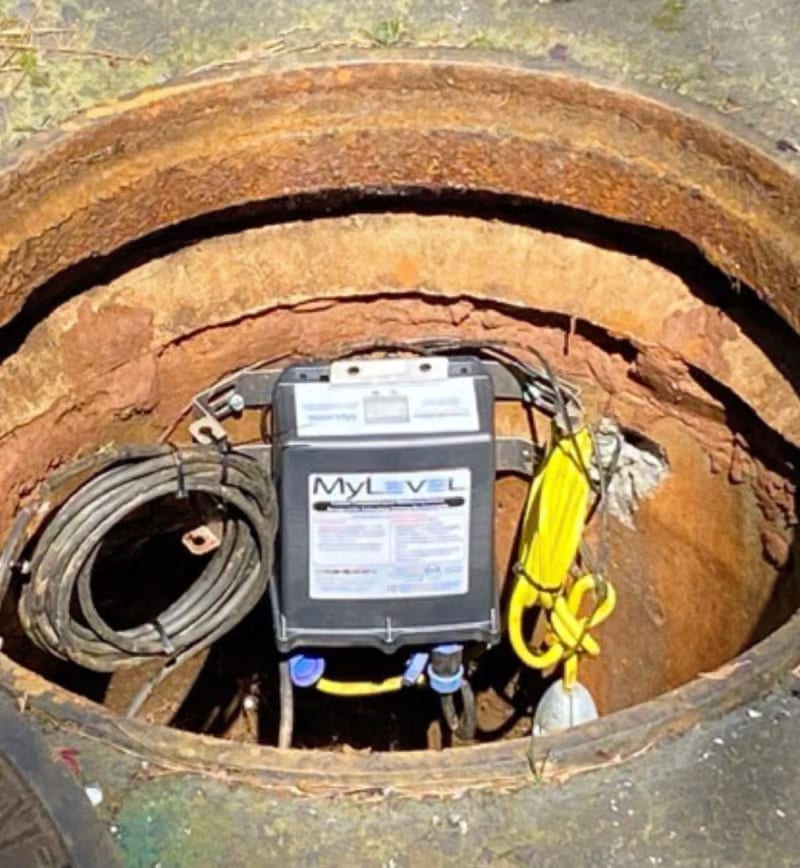
Sewer Manholes (CSO/SSO)
Battery-powered MyLevel monitors in manholes, multi-level alarms, and audit-quality overflow records for regulators.
Explore Sewer Manholes (CSO/SSO)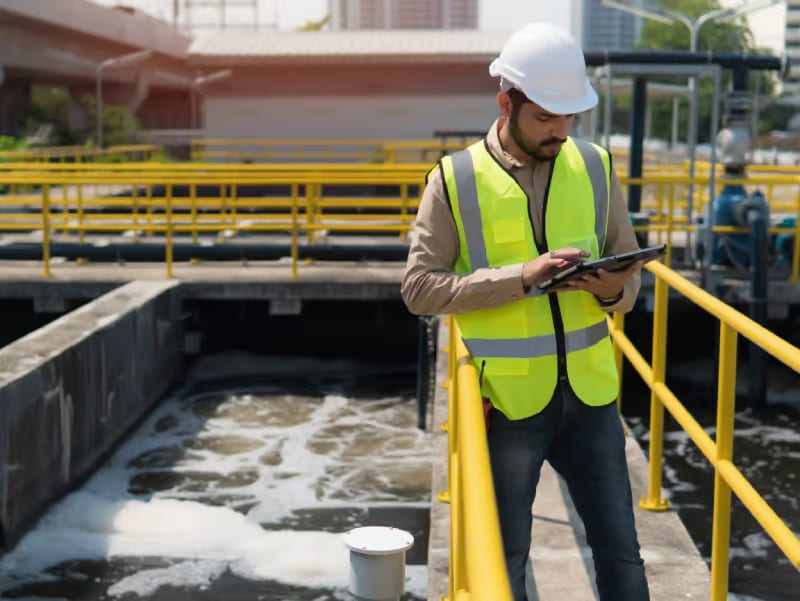
Treatment Plant Monitoring
A managed overlay that feeds collection-system data into plant SCADA by OPC-UA and covers what the plant system cannot reach.
Explore Treatment Plant MonitoringProtect Your Collection System with Real-Time Monitoring
Wastewater collection systems are the backbone of public health infrastructure, and a single undetected failure can lead to sanitary sewer overflows, environmental violations, property damage, and regulatory fines. Mission’s managed SCADA provides the real-time visibility that wastewater utilities need to prevent overflows, optimize pump operations, and maintain regulatory compliance across their entire collection system.
More than 3,500 utilities rely on Mission RTUs to monitor their lift stations, with many deploying an RTU at every station in their system. The combination of purpose-built hardware, secure cellular connectivity, and the 123SCADA platform gives operators complete oversight of wet well levels, manhole/sewer, pump performance, power conditions, and alarm states from any device, anywhere.
Lift Station Monitoring
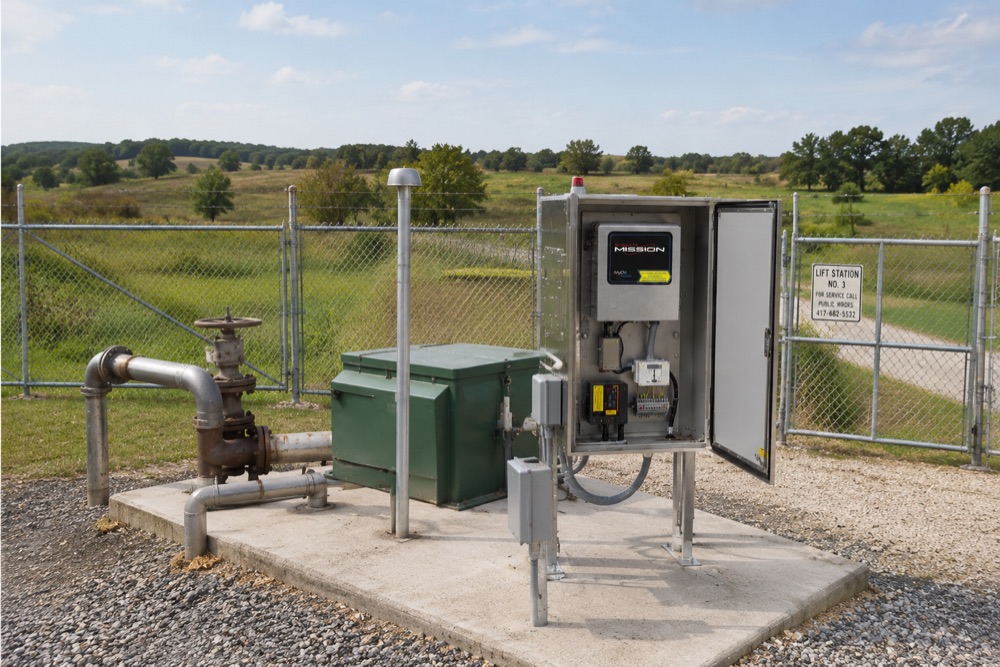
Lift stations are the most critical and failure-prone assets in a wastewater collection system. An unmonitored pump failure or power outage can cause a wet well to overflow within hours, creating environmental contamination and regulatory liability.
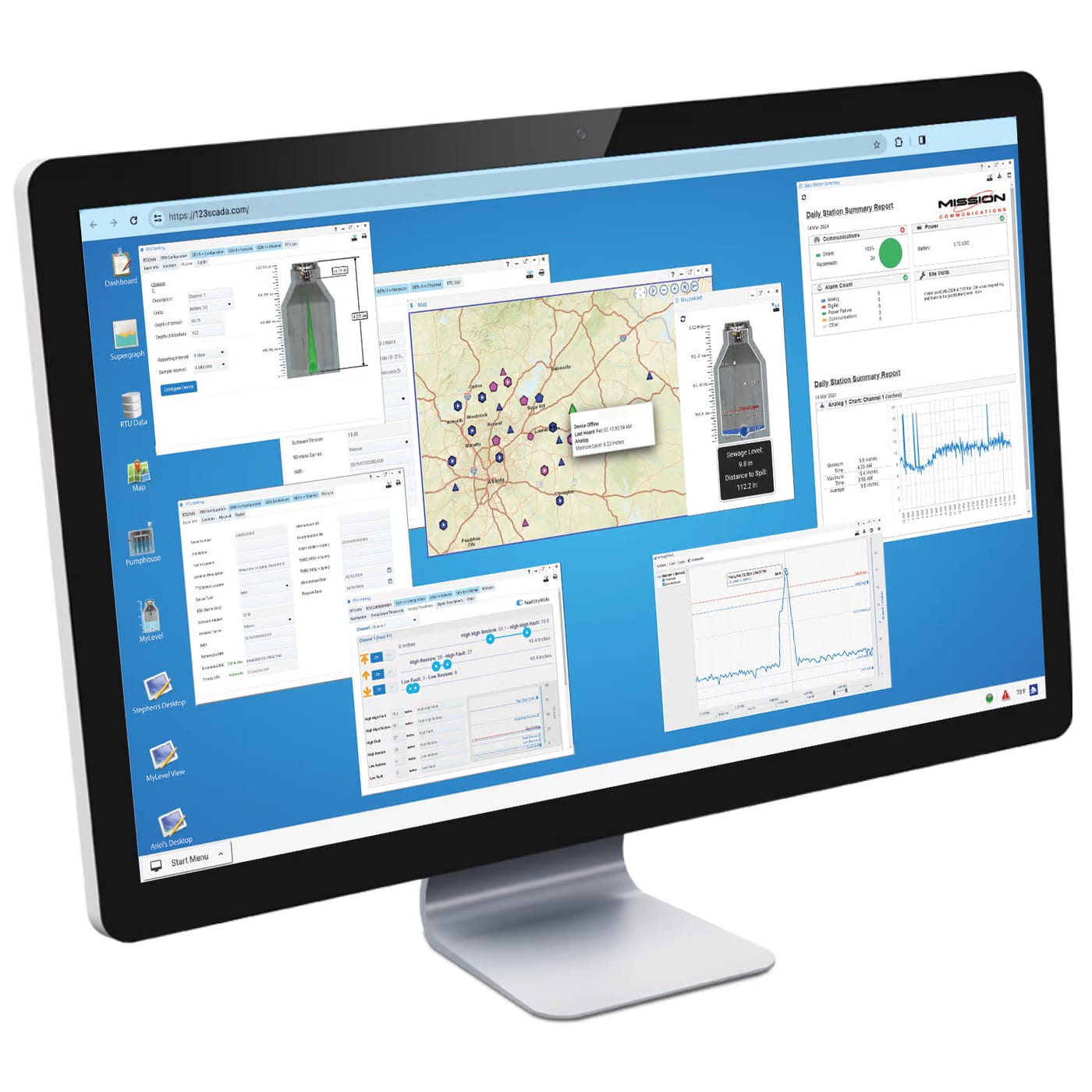
Mission’s RTUs monitor high and low wet well levels, pump running status, pump runtimes and starts, AC power conditions, and pump overload or failure conditions. When any parameter exceeds alarm thresholds, the system dispatches real-time notifications via phone call, text, or email—typically within less than a minute.
The 123SCADA platform provides daily and hourly graphs of pump performance, making it easy to identify excessive pump starts, unusual runtimes, or trending conditions that indicate a developing problem. Pump insights reveal early signs of clogs, impeller wear, grease buildup, and inflow infiltration—enabling preventive action before costly failures occur.
For stations where pump controller failure is a risk, Mission’s MyDro 150 and MyDro 850 RTUs offer an optional Emergency Backup Pump Control feature. If the station’s primary pump controller fails, the RTU can temporarily take over pump control for up to two pumps, keeping the station operational while the controller is replaced.
CSO and SSO Monitoring
Combined sewer overflow (CSO) and sanitary sewer overflow (SSO) events are among the most heavily regulated aspects of wastewater management. Utilities are required to monitor, report, and minimize overflow events to protect public health and water quality.
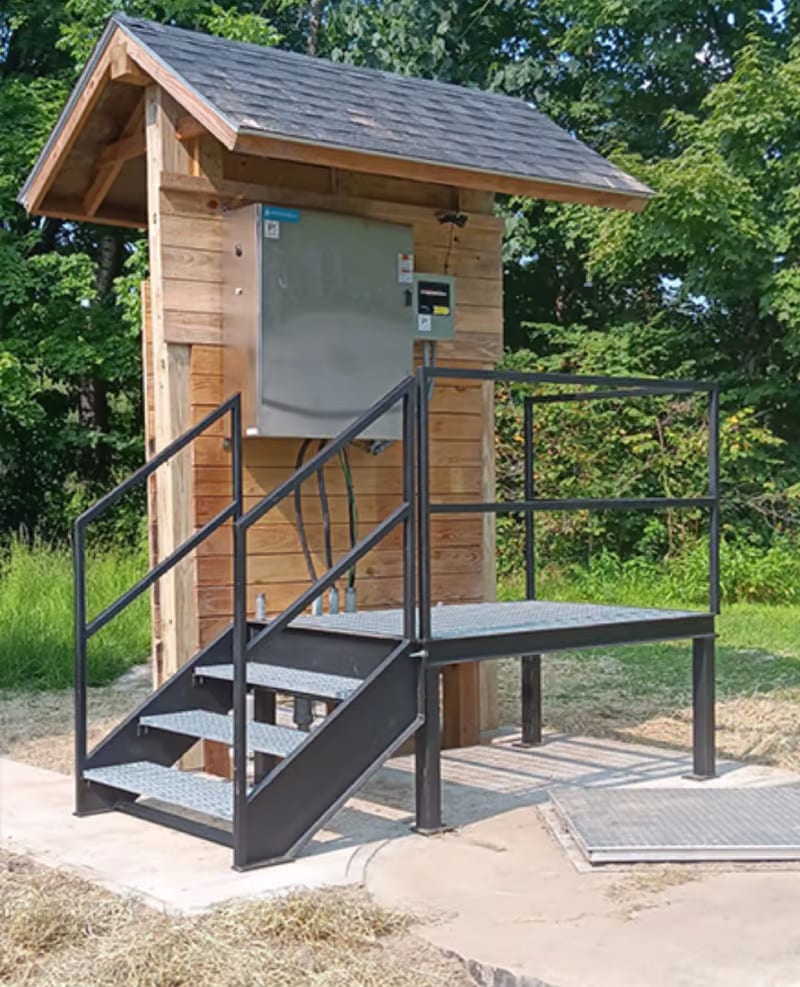
Mission’s MyLevel sewer monitoring system provides continuous, battery-powered level monitoring in manholes and overflow structures. The device tracks sewer levels in real time, detecting rising conditions that precede overflow events and triggering alerts before sewage reaches the surface.
The 123SCADA platform logs all overflow events with timestamps, durations, and peak levels for regulatory reporting. Historical data helps utilities identify chronic problem areas, evaluate the effectiveness of infrastructure investments, and build long-term capacity plans.
Rainfall correlation tools allow operators to overlay sewer level data with local rainfall measurements to quantify inflow and infiltration (I&I) and target rehabilitation spending where it will have the greatest impact.
Treatment Process Monitoring
While Mission’s managed SCADA is most widely deployed across collection systems, the platform also supports monitoring at wastewater treatment facilities. RTUs can track influent and effluent flows, chemical feed rates, dissolved oxygen levels, UV disinfection status, and other treatment parameters.
For utilities that operate a separate plant SCADA system, Mission’s OPC-UA integration allows collection system data to be fed directly into the plant’s existing HMI, providing a unified view of the entire wastewater system without replacing the plant’s control infrastructure.
Reporting and Regulatory Compliance
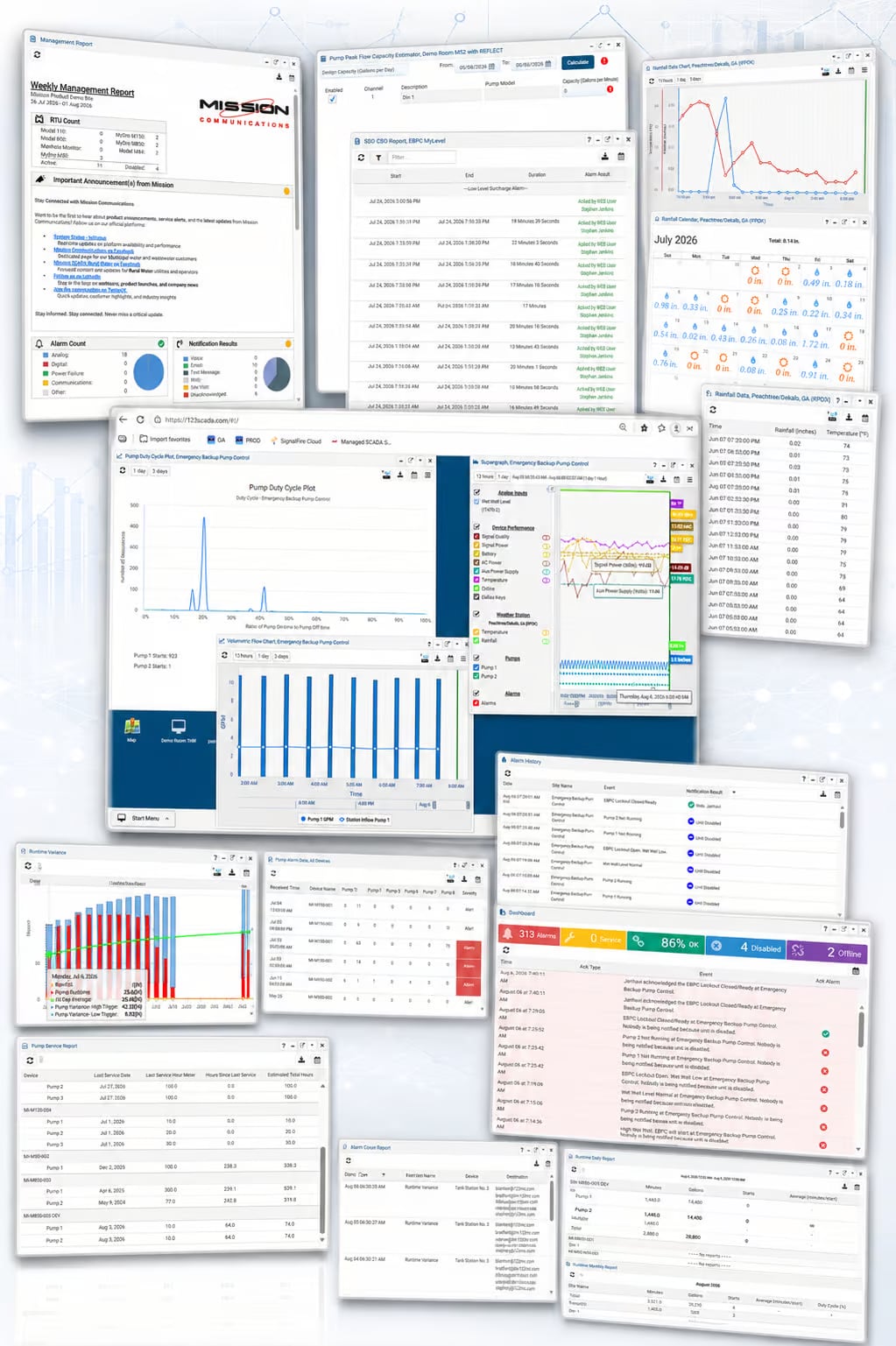
Wastewater utilities face reporting requirements from the EPA, state environmental agencies, and local authorities. Mission’s platform simplifies compliance with automated reports covering pump runtimes, overflow events, alarm logs, and system performance metrics.
CSO/SSO event reports, weekly management summaries, and engineering calculations are available as standard report templates. All data is exportable to spreadsheets for integration with NPDES permit reporting or consent decree documentation.
The platform retains all historical data from the date of installation, giving utilities a defensible record of system performance for regulatory audits and legal proceedings.
- CSO/SSO Events
- Pump Performance
- Alarm Logs
- Weekly Summaries
- NPDES Data
What You Will Need
Line-powered MyDro RTUs at lift stations and plants; battery-powered MyLevel in the manholes between them. All RTUs include cellular data charges in the annual subscription—there are no separate data overage fees or early termination penalties.
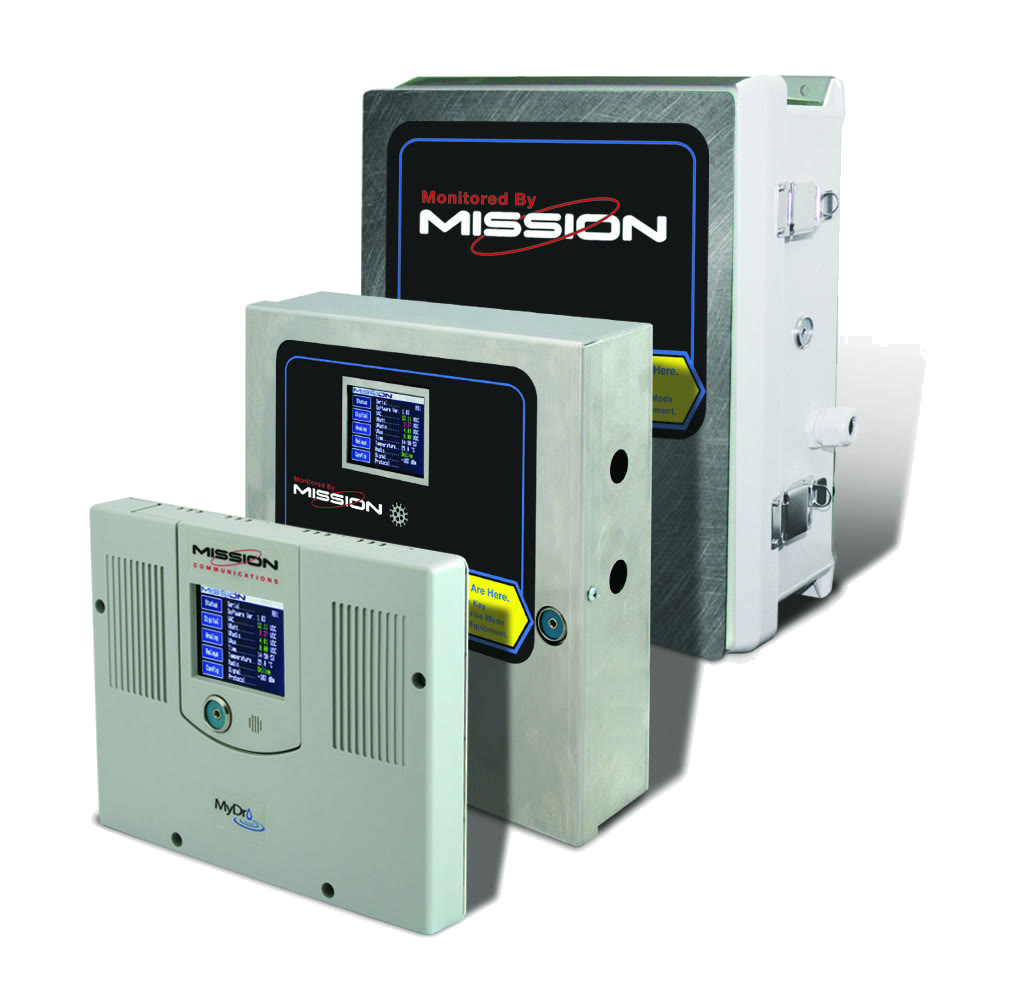
MyDro 850
The full-featured, line-powered RTU with the most extensive I/O capacity. Ideal for larger stations requiring multiple analog and digital inputs, relay outputs for remote control, and expansion module support.
View MyDro 850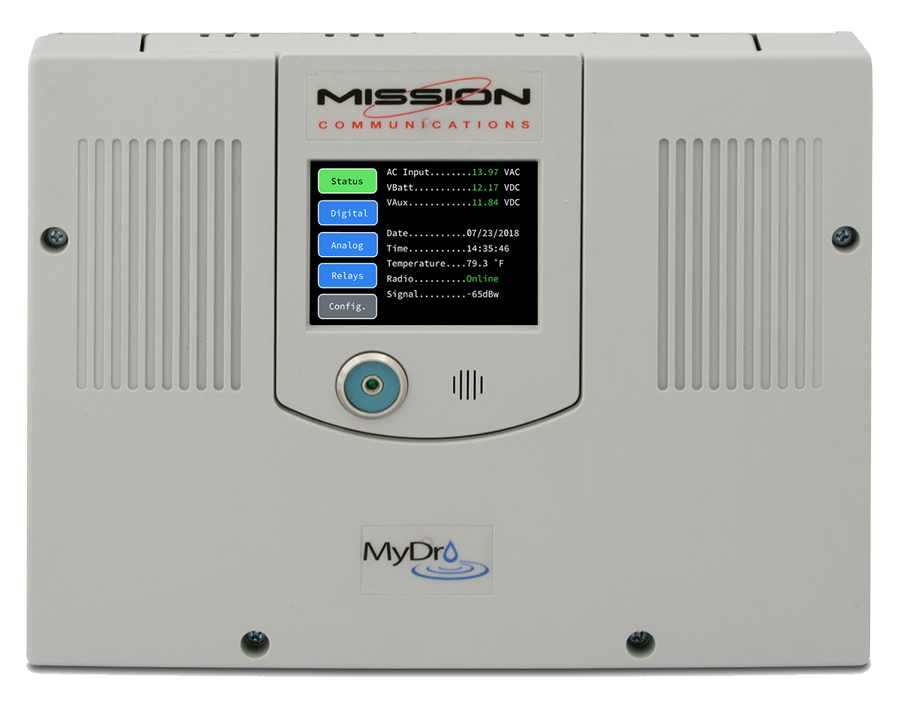
MyDro 150
A compact, line-powered RTU that delivers core monitoring and alarm capabilities in a smaller form factor. Supports emergency backup pump control and is upgradeable to the M850’s feature set.
View MyDro 150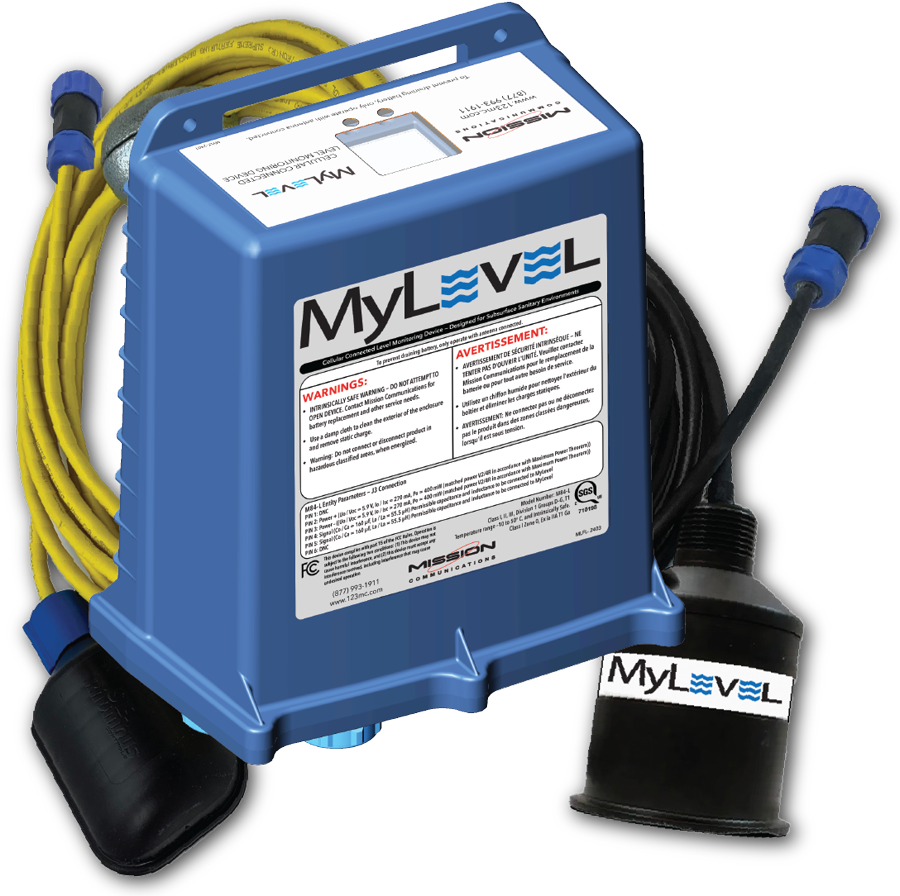
MyLevel
Battery-powered ultrasonic manhole monitor for CSO/SSO applications. Installs below grade and provides reliable level monitoring, real-time alarms, and years of operation on a single battery.
View MyLevelLift Stations
Wet well levels, pump insights, power, and Emergency Backup Pump Control. Know about problems in minutes, not hours.
Explore Lift StationsSewer Manholes (CSO/SSO)
Battery-powered MyLevel monitors in manholes, multi-level alarms, and audit-quality overflow records for regulators.
Explore Sewer Manholes (CSO/SSO)Treatment Plant Monitoring
A managed overlay that feeds collection-system data into plant SCADA by OPC-UA and covers what the plant system cannot reach.
Explore Treatment Plant MonitoringFrequently Asked Questions
What does a wastewater SCADA system monitor?
A wastewater SCADA system can monitor lift stations, pump stations, sewer levels, alarms, flows, and treatment-related processes. It gives operators one place to review system conditions and respond to issues across a wastewater network.
How does wastewater automation help operators?
Wastewater automation reduces manual checks and supports more consistent operation by helping systems respond automatically to changing conditions. It also gives operators better visibility so they can focus attention where it is needed most.
Why is real-time monitoring important in wastewater systems?
Real-time monitoring is important because wastewater issues can escalate quickly. Early alerts help teams respond to rising levels, equipment failures, and other abnormal conditions before they lead to overflows, downtime, or service disruption.
Get Started with Wastewater Monitoring
From a single lift station to a system-wide deployment of hundreds of sites, Mission’s managed SCADA delivers the real-time monitoring and alarm management that wastewater utilities need to prevent overflows and maintain compliance. Call 877.993.1911 or request a demo by clicking below.